
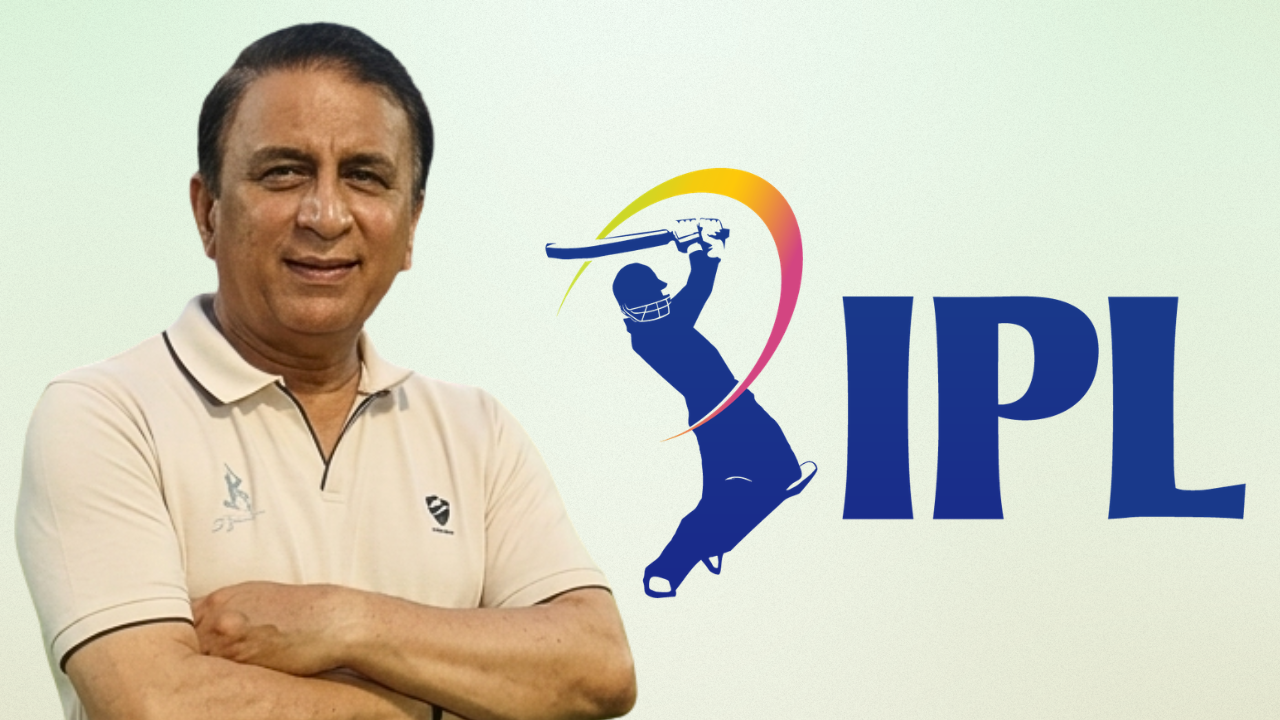
Recurring player availability issues during IPL 2026 have reignited questions over how franchises should be protected when overseas signings leave midway through the season. Writing in his Sportstar column, former India Captain Sunil Gavaskar called for stronger measures from the BCCI, arguing that teams should not be left dealing with the consequences when contracted players fail to see out the tournament.
Player availability issues returned to the spotlight
Several teams encountered disruptions during the 2026 season, with Rajasthan Royals among those affected. All-rounder Sam Curran withdrew from the competition because of injury concerns but later featured in the Vitality T20 Blast, prompting disappointment from Head Coach Kumar Sangakkara after the franchise’s campaign had concluded.
The BCCI already has a two-year suspension in place for players who enter the auction and subsequently withdraw after being picked. Gavaskar believes similar safeguards should apply once the tournament has begun.
On the subject, he wrote, “The BCCI’s ban for two years on those who enter the auction and, after being picked, then withdraw at the last moment, not for injury but brownie points with their local media, is another good move. They should also ban those who come to the IPL and, when they find they aren’t being picked regularly, feign an injury and return home and then play in their domestic cricket even while the IPL is still going on.”
Franchises often have limited options
Once the season is underway, replacing unavailable players can become increasingly difficult, particularly when squads have already been assembled and overseas clearances are required. Gavaskar believes the balance of power has tilted too far away from franchises that invest heavily in international talent.
He added, “Plenty of overseas players take the IPL for granted and sometimes, in connivance with their boards, make some excuse and not play in the full tournament as they agreed before they entered the auction. The franchise cannot go running around for a replacement at this late hour, and so has no option but to wait for the Board to release the player.”
Financial costs are also under the microscope
The issue extends beyond team selection. Franchises also bear an additional expense because overseas boards receive 10 per cent of player fees as part of the system.
Referring to that arrangement, Gavaskar wrote, “Remember, the boards get 10% of the player fee, not from the player. This is an additional cost to the franchise, and that is why it is important for BCCI to be firm and ensure this does not happen. Cutting the player’s fee according to the number of matches he is missing should also apply to the percentage that the overseas Boards get for their player.”
Gavaskar urges BCCI to take a firmer stance
Gavaskar also argued that the BCCI’s financial contribution to the wider game should allow it to take a stronger position on behalf of IPL teams. He believes franchises should not be viewed as powerless when players decide against completing their commitments.
He wrote, “The cricketing world has been ruled by the old powers without giving anything to the other Boards. Here, BCCI is giving to the Boards too, and so should be telling them not to take the helplessness of the franchise as a weakness and to cancel the contracts of those who don’t want to play the full tournament. No compromises. This is the IPL, not just the best T20 tournament in the world, but also the making of millionaires out of some really ordinary overseas players.”
His comments come amid a broader debate around player availability, contractual commitments and the growing influence of franchise cricket within the global calendar.


