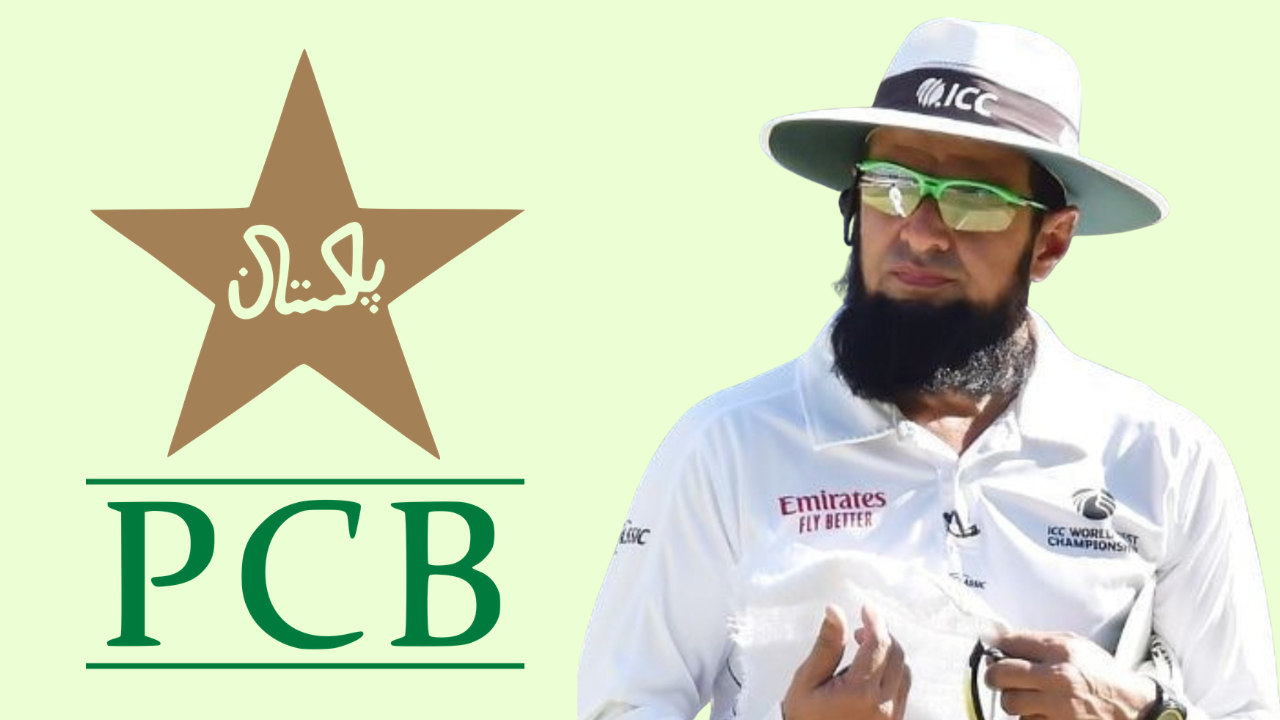
Pakistan cricket’s post-World Cup turbulence has claimed its first high-profile administrative casualty. According to reports, Aleem Dar has stepped down from the Pakistan Cricket Board (PCB) national selection committee following the team’s disappointing T20 World Cup campaign.
Dar’s resignation comes in the aftermath of Pakistan’s failure to reach the semi-finals, a result that triggered scrutiny of both team composition and decision-making structures within the board. The national side exited in the Super Eights stage after a washout against New Zealand and a defeat to England, with earlier setbacks in the tournament also drawing heavy criticism from fans and former players.
Internal disagreements over selection authority
Reports suggest Dar’s decision was influenced by mounting frustration over the level of authority exercised by Head Coach Mike Hesson in selection matters. It is understood that Dar felt selectors were tasked with shortlisting a pool of top performers, only for final squad decisions and playing XI combinations to be shaped elsewhere.
Sources indicate that during internal discussions, differing views emerged regarding the inclusion of certain senior players. Dar is said to have questioned the selection of Babar Azam and Shadab Khan based on recent performances, while also expressing reservations about the appointment of Salman Ali Agha as captain.
He reportedly advocated for Mohammad Rizwan’s inclusion in the playing XI at number six instead of Usman Khan, arguing that if other underperforming players were being retained, Rizwan should also have been afforded another opportunity.
Accounts from those familiar with the matter further suggest that Dar believed meaningful debate within the committee was limited. Aaqib Javed is reported to have backed the head coach’s stance during deliberations, while Misbah-ul-Haq remained largely quiet on key calls. This dynamic is said to have contributed to Dar’s sense of being sidelined in critical decisions.
Appointment, tenure and committee structure
Dar had joined the selection panel on October 11, 2024, as part of a restructured setup aimed at strengthening Pakistan’s decision-making framework. His appointment brought significant international experience to the committee, given his decorated career as an umpire at the highest level of the game.
With his departure, the voting members of the selection committee now include Aaqib Javed and Asad Shafiq. Data analyst Usman Hashmi continues to assist the panel in an advisory capacity, providing statistical input without holding voting authority.
Dar’s exit marks a brief stint in administrative cricket compared to his extensive on-field legacy. The former umpire officiated a record 435 men’s international matches across formats, including four World Cup finals, establishing himself as one of the most respected figures in the global game.
Fallout from World Cup performance
Pakistan entered the T20 World Cup with expectations of a deep run, particularly after a dominant 3-0 series sweep against Australia in the build-up. However, inconsistencies in batting tempo, team balance and tactical execution were exposed during the tournament.
Criticism was directed at several aspects of the campaign, including the captaincy, the deployment of all-rounders and the overall team composition. The PCB has since taken disciplinary action, reportedly imposing fines of PKR 5 million (approx. US$18K) per player in response to the underwhelming performance, reinforcing a stricter performance-based approach moving forward.
Dar’s resignation is widely seen as the first significant structural shift following the World Cup exit. Reports indicate the PCB is now evaluating the broader selection framework as part of a wider review of the team’s direction ahead of upcoming international assignments.
With Pakistan cricket entering another transitional phase, attention will now turn to how the board reshapes its selection process and restores confidence in its administrative setup.