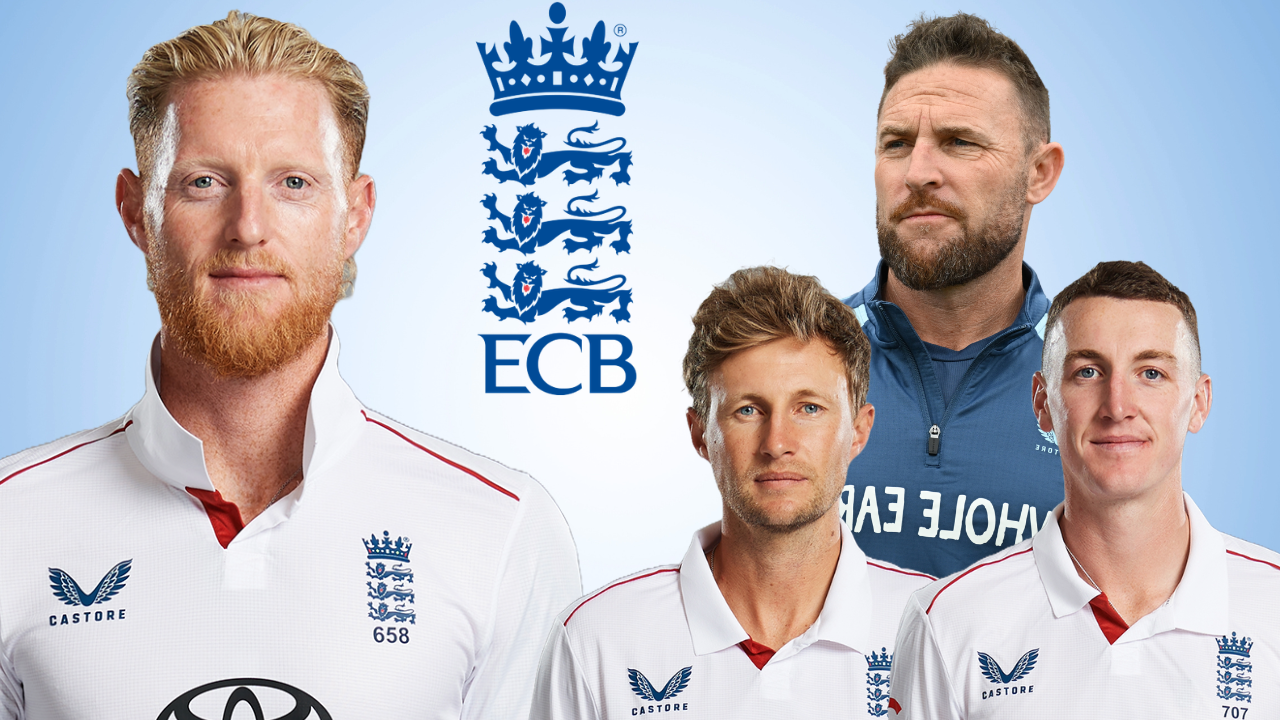
Ben Stokes has spoken at length for the first time since retiring from international cricket, using an appearance on the For The Love of Cricket podcast to confirm his ambition to coach England one day, rule out any return to the playing field, and address a range of topics that have defined English cricket’s recent turbulence — from Brendon McCullum’s Test exit to the drinking culture embedded in the game.
Stokes sets his sights on coaching England
Stokes was unambiguous about what comes next. “I want to be a coach,” he stated. He is already working towards that future, having begun his level three coaching qualification while still playing county cricket, wanting all the necessary credentials in place before his playing days conclude. “Would I love to be coach of England one day? Absolutely. I would love to be able to do that. Do I think it’s going to happen? I don’t know. No idea,” he added. The desire to remain in a leadership capacity away from the field came through consistently. “Then, further on from that, I don’t know. I just really like the idea of being, again, in some form of leadership away from playing,” Stokes continued.
McCullum exit — and the toast that changed everything
Stokes expressed surprise at McCullum’s removal as England Test Head Coach, acknowledging the direct link between his own retirement and the decision to replace the man who had worked alongside him since 2022. “If I hadn’t made the decision that I made four weeks ago, Baz would still be coach,” he noted, adding with characteristic humour: “So it’s my fault!” The moment Stokes told McCullum about his retirement was equally disarming. “When I told Baz [about Stokes’ retirement] he was making toast and I just went ‘oh, I’m done’. I’d obviously had discussions with him anyway and then told him over toast,” he recalled. McCullum’s own news followed shortly afterwards. “Then, again, he was like ‘yeah, I’ve been given the tap on the shoulder’ and I was like ‘oh’. But he’s still very excited and very happy to be moving forward with the white-ball because he’s doing a very good job there,” Stokes added.
Speculation about a rift between the two men had followed them through the final stages of their partnership, but Stokes was emphatic. “We never once fell out,” he said. He acknowledged that differences of opinion had existed — and that both men have been open about that — but was equally clear about where the line sat. “Did we have a fallout? Absolutely not,” he added.
Retirement truth — the 2027 Ashes plan that fell apart
Stokes acknowledged that his retirement arrived earlier than originally planned, and that a fuller explanation of the reasons behind it would come in time. “There’s a lot to it, and there’s a lot to it that I think is just not for today or for the near future,” he said, adding that he would share more “when the time is right.” What he did reveal was the gradual erosion of certainty that preceded his decision. “I always planned my retirement. It was the 2027 Ashes. Whatever happened there, I thought, ‘I’m not sure I can go past that.’ Over time, I was thinking, ‘How am I going to get there? How am I going to get to Australia in 2027?’ Then it became, ‘How am I going to get to New Zealand? How am I going to get to Pakistan?’ I was constantly worrying about getting there,” he revealed.
Those mounting fitness concerns, combined with honest conversations with his wife Clare, eventually led him to accept that the original plan was no longer realistic. Stepping back from the captaincy while continuing as a player was never seriously considered. “I’m 35. If I’m not going to be captain, I think I’d find it tough to do it. Not saying because I’d find it tough to be led by someone else. I just think because I’ve given so much of this part of my career to my job, if I’m going to play for England it’s going to be as captain,” he explained. When asked directly whether his retirement was permanent, his answer was immediate. “Defo,” Stokes said.
Root backed — but Stokes carries a worry
Stokes spoke warmly about Joe Root’s return as England Test Captain alongside new Head Coach Stephen Fleming, while making clear that personal concern sits alongside his professional endorsement. Root’s first captaincy spell ended in April 2022 after he admitted the role had taken a heavy toll on him personally. Stokes contacted Root when the appointment was confirmed and offered his full backing, but one reservation remained. “But I told Joe: ‘my only worry is you’. And that’s all I really care about now with Rooty just because I saw what he went through and how much he put himself through,” he said. Stokes elaborated on what that concern was rooted in. “He just always put the team first; he always came second. That is just my only concern with it: knowing what he went through last time he was in charge of the team because I don’t want to see that ever happen again because I care for Joe a lot,” he added. Despite that reservation, Stokes expressed genuine excitement about what Root and Fleming can build together, wishing his long-time team-mate every success in the role.
The Brook question — and a message Stokes believes was sent
Stokes was less diplomatic when addressing the decision to appoint Root rather than Harry Brook as his Test successor. England Men’s Managing Director Rob Key told Sky Sports News that he did not feel the moment was right for Brook, while suggesting the 27-year-old White-Ball Captain would have his opportunity in the future. Stokes took a different view. “If you think someone is going to be a good captain or a good leader, just give it to them,” he argued. He then addressed Brook’s situation directly. “Brooky [was] made vice-captain. I’m not there anymore but even when I missed that Test match [against New Zealand] I was like ‘why is Brooky not captain? He’s vice-captain’,” Stokes observed. “And I understood the reasoning why they were saying it, but I was still like, what message is that sending to him? He’s vice-captain and the captain is not playing but he’s not captain. Then the same again here,” he continued. Stokes also drew a direct parallel with his own appointment. “I had no leadership or captaincy experience when I took over. It was just thought I was going to be a good captain,” he added.
Cricket’s drinking culture — and Stokes’ own history with alcohol
The podcast also addressed the role of alcohol in cricket and within the England setup — a subject that had followed the team through much of the past two years following a series of off-field incidents. Stokes pushed back firmly against suggestions that England have a team-wide problem while acknowledging something deeper and more systemic about the game as a whole. “For people who think the English cricket team has a drinking culture, I would say no. I would just say cricket has a culture that is associated with alcohol,” he stated. He traced that culture back to the 1980s, arguing that as cricket has professionalised in almost every other respect, its relationship with alcohol has remained largely unchanged from club level upwards — embedded in the sport long before the current England group came together. Stokes was candid about his own history with alcohol, acknowledging difficult periods during his career while making clear his relationship with it has since changed. “I’ve had, I don’t want to say problems, but I’ve had relationships with alcohol at times over my career that have been potentially dangerous, if that makes sense. But that is completely different to me now,” he admitted. He gave up alcohol for a period during his injury recovery in 2025 and acknowledged that while the culture can be a problem, he remains uncertain about what would realistically shift something so deeply embedded in the sport across so many generations.