A fraction of a percentage point—barely visible in billion-dollar deals—has become the centre of cricket’s latest financial debate.
The deal behind the debate
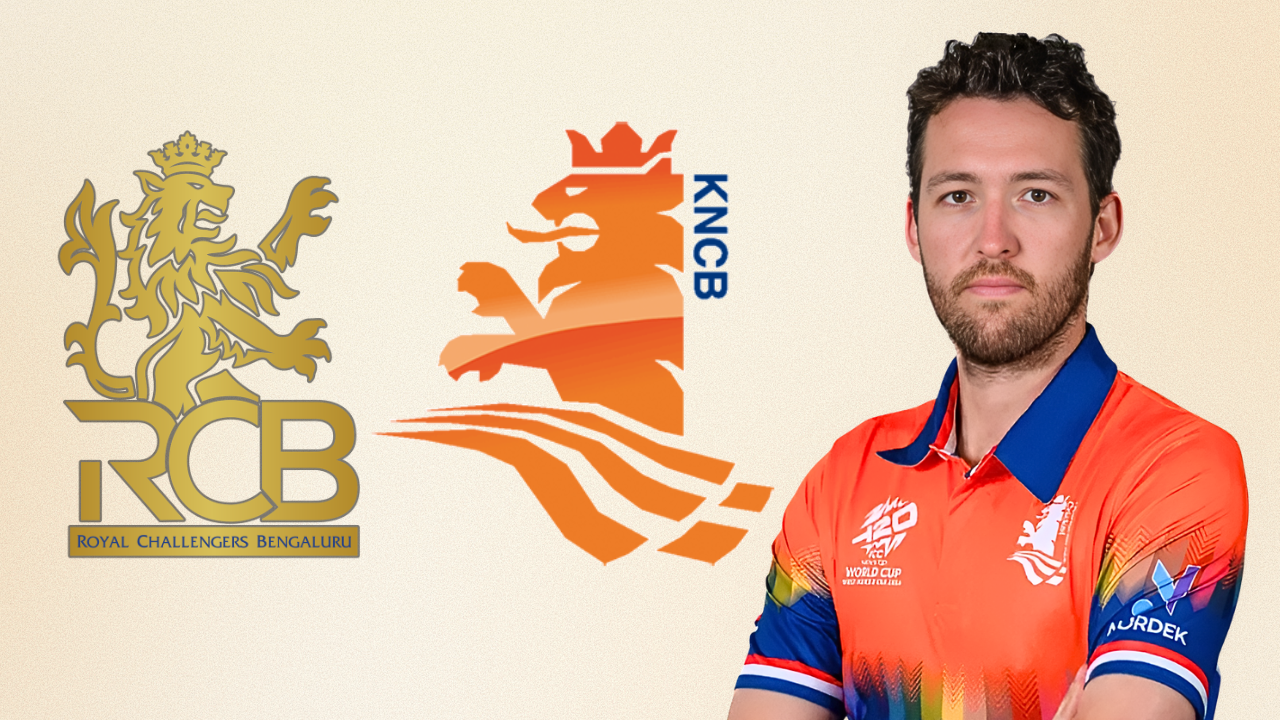
The backdrop to this conversation is the sale of Royal Challengers Bengaluru, which, as previously reported by cricexec, was completed at a valuation of US$ 1.78 billion (approx. INR 16,732 crore)—the highest ever recorded for an IPL franchise.
The transaction forms part of a broader surge in franchise investment, with the Indian Premier League continuing to attract global capital driven by media rights growth, expanding revenues, and increasing institutional interest.
“If only they could give 0.5% to @KNCBcricket we could close the gap to full members and make the sport so much more global @RCBTweets,” Dutch cricketer Paul van Meekeren tweeted on X, capturing in one line the growing disparity between cricket’s richest leagues and its emerging nations.
If only they could give 0.5% to @KNCBcricket 🙏🙏 we could close the gap to full members and make the sport so much more global 💪🏆 @RCBTweets https://t.co/4pfrha6Rr4
— Paul van Meekeren (@paulvanmeekeren) March 24, 2026
A comment that reflects a larger imbalance
Van Meekeren’s remark highlights a structural gap that extends beyond a single transaction. For associate nations such as the Netherlands, financial constraints continue to shape development pathways, limiting infrastructure investment, player contracts, and access to consistent high-level competition.
Even a fraction of deals at the scale seen in franchise cricket could materially change that landscape—supporting grassroots systems, strengthening domestic competitions, and enabling greater professionalisation.
Commercial growth vs global distribution
The IPL’s commercial rise has been built on a powerful combination of broadcast value, sponsorship ecosystems, and franchise-driven revenues. That model has propelled team valuations into the billion-dollar bracket, positioning the league among the most lucrative properties in global sport.
However, there remains no direct mechanism linking that financial growth to the broader development of the game. Associate boards continue to operate with significantly smaller budgets, often relying on limited ICC distributions and sporadic global tournament exposure.
Pressure builds for structural change
Van Meekeren’s comment adds to a growing sentiment within associate cricket, where players and administrators have increasingly called for more equitable access—both financially and competitively.
Recent global tournaments have shown that emerging teams can challenge established sides, but without sustained funding and opportunities, that progress risks plateauing.
As franchise cricket continues to scale new financial heights, the contrast highlighted by Van Meekeren is becoming more pronounced.