Mobile Gaming Ambitions Stir Player Union Concerns
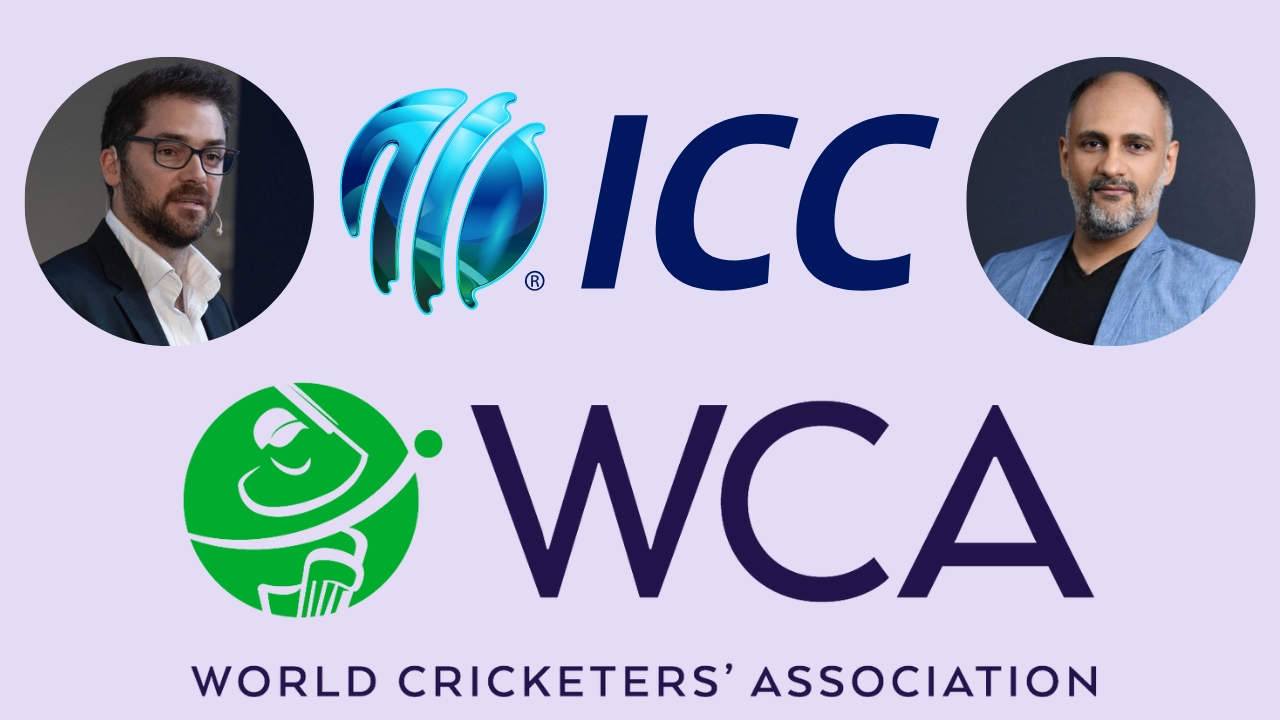
The International Cricket Council (ICC) and the World Cricketers Association (WCA) are on a collision course over the use of player image rights in a proposed global mobile cricket game. According to ESPNcricinfo, a dispute is brewing around the ICC’s intention to use player name, image, and likeness (NIL) without collective player consent.
The ICC gaming blueprint was first introduced to member boards in April 2025 and later discussed in detail at the Annual General Meeting in Singapore in July. At the time, ESPNcricinfo reported that the ICC’s digital division was still awaiting greenlight to proceed with development. However, the plans have sparked immediate backlash from the WCA, which represents nearly 600 international players across 15 of the top 20 cricket-playing nations.
WCA Alleges Breach of Agreement
In a strongly worded email sent to players on August 12, WCA CEO Tom Moffat warned:
“The ICC/national governing bodies are taking steps to develop a global mobile game built on your name, image, likeness (NIL), without agreeing to terms with players collectively. In short, it appears the ICC wants to use and sell your rights at the global level and doesn’t want you and your colleagues to have a say collectively at the global level on how your rights are used, and how you get paid for them.”
Moffat further stated:
“The ICC’s current approach appears to be a direct attack on players. We/Winners have offered to work with the ICC and governing bodies on joint IP opportunities for over 18 months. The ICC have refused to meet with Winners.”
He emphasized the agreement already in place, warning players that:
“This approach would be a breach of the ICC’s agreement with the WCA and Squad Terms, and it points to: a general lack of respect for players, your commercial rights, and your right to choose who represents you; and of a desire (including from some national governing bodies) to ‘own’ you, and your NIL, in all contexts – even for off field opportunities that exist outside of your playing contracts, and governing body IP (marks and logos).”
Moffat also reassured players that, having ‘signed relevant collective rights exclusively’ to the WCA, it was in a ‘strong position to protect and advance your rights, and if needed we will take the necessary action to do so’.
ICC Sidelines WCA in Licensing Strategy
According to a Cricbuzz report, the ICC has opted to bypass the WCA entirely in securing player NIL rights, instead directing member boards to obtain these rights directly. An internal ICC note circulated at the Singapore AGM stated:
“A clear direction from the April (ICC Board meeting in Harare) meeting was that all players’ rights for this project would be secured through the members. The ICC was not to contract player rights through a third party such as the World Cricketers Association.”
This directive has been seen as a strategic shift that further intensifies friction between the ICC and the WCA.
A Digital Bet: Gaming to Outgrow the Movies?
The ICC sees mobile gaming as a powerful vehicle for digital transformation and revenue generation, particularly as it anticipates a decline in broadcast rights revenue in the 2028-2031 cycle. At the Singapore AGM, ICC CEO Sanjog Gupta confidently declared:
“It (mobile gaming in cricket) will be bigger than the movies.”
The governing body has already launched a multi-stage tender process to identify and select a game development partner. According to an internal note:
“The aim is to have a preferred partner identified for approval at the October board meetings. (The ICC) management will be in touch with members shortly to formalise the licence of rights required for the mobile game. These agreements will need to be completed by October.”
According to internal communication, the ITT (Invitation To Tender) process includes a thorough evaluation of technical capabilities, promotional strategy, and financial models:
“The shortlisted organisations will be requested to provide further details on the game such as what type of game they plan to make and how they plan to market and promote the game, which will form the first stage of the ITT evaluation and, if successful at the first stage, the management will then consider their commercial offer for securing the rights.”
The ICC has appointed A&W Capital as an independent consultant to oversee the process and guide revenue distribution frameworks.
A Crowded Market, A Legal Minefield
While the ICC seeks to build the first-ever official cricket game under its own brand, it faces a crowded and already monetized gaming landscape. The WCA has signed licensing agreements with platforms like Real Cricket, securing royalty streams for over 250 cricketers. This makes the ICC’s proposed game not only a licensing challenge, but a direct competitor to existing revenue streams that players are already benefiting from.
Past clashes over licensing are also casting a shadow. Disputes erupted in 2021 over the unauthorized sale of player NIL rights in an NFT deal. Negotiations also broke down during the 2024 T20 World Cup.
Cricket, Gaming, and the Numbers Driving It All
This commercial tug-of-war is underscored by massive market potential. According to Fortune Business Insights:
“The global gaming market size was valued at USD 249.55 billion in 2022 and is anticipated to grow from USD 281.77 billion in 2023 to USD 665.77 billion by 2030, exhibiting a CAGR of 13.1% during the forecast period (2023–2030). Asia Pacific dominated the gaming market with a market share of 46.03% in 2022.”
PwC India also reported:
“The online gaming industry (in the country) is estimated to double to INR 66,000 crore (approx. $7.48 billion) by 2028, with the potential to create an additional 2 to 3 lakh jobs in the next few years.”
The Road Ahead
With licensing deadlines looming ahead of the October ICC board meetings, this standoff could define the contours of cricket’s commercial rights landscape in the digital era. While the ICC is pushing full steam ahead, the WCA’s legal warnings and existing deals create substantial obstacles.
As global sports bodies chase younger audiences through interactive platforms, cricket now finds itself at a critical crossroads: will mobile gaming unlock a new era of global engagement, or ignite a long legal battle over player identity and commercial control?