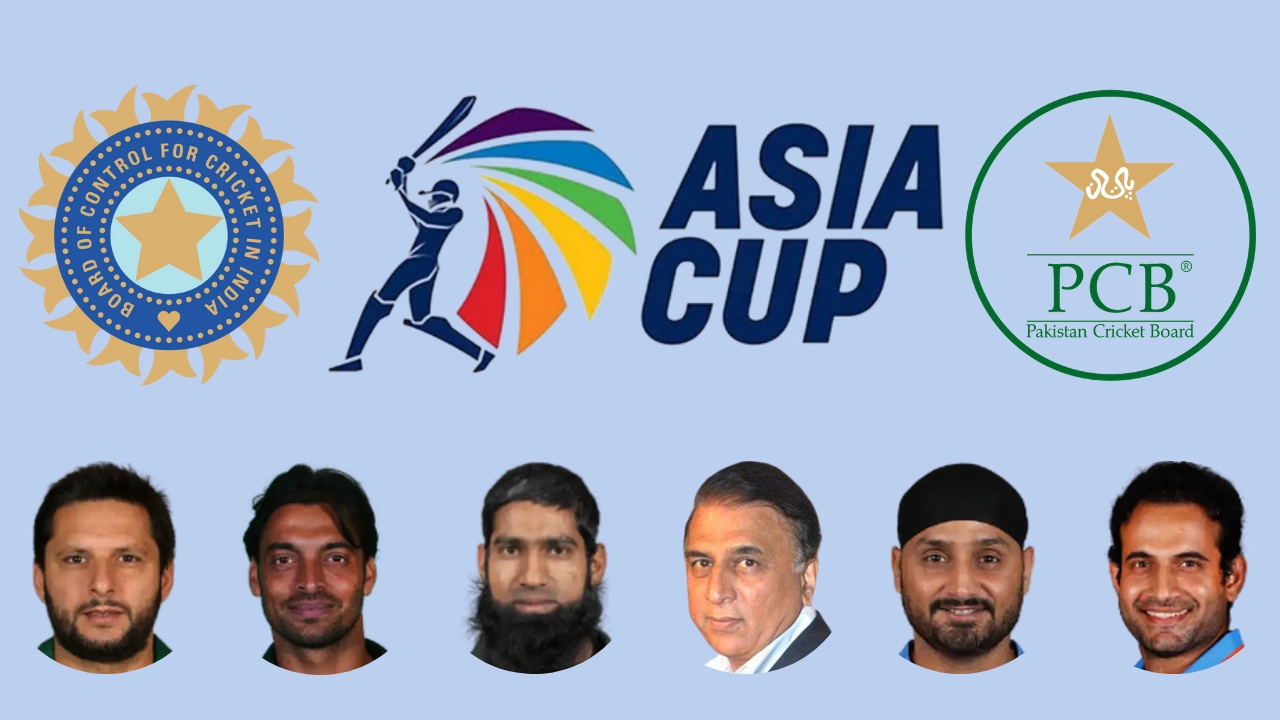
Background: results spark a fresh round of scrutiny
India’s back-to-back wins over Pakistan in the Asia Cup Super Four have reignited discussion around the fixture’s intensity and the margins of victory. The fallout encompassed an umpiring flashpoint, pointed views on on-field conduct, and contrasting assessments of where the contest stands today.
Umpiring flashpoint: Afridi, Yousuf and Akhtar react
The debate centred on Fakhar Zaman’s caught-behind dismissal. On Samaa TV, Shahid Afridi alleged bias with, “Unhone IPL mai bhi toh umpiring karni hai [He has to umpire in the IPL too].” During the same discussion, Mohammad Yousuf argued the review was insufficient: “They didn’t even check many angles. Fakhar had hit three fours and handled Bumrah with ease in the first over. His wicket was crucial for India.”
🚨 Shahid Afridi on Fakhar Zaman’s controversial dismissal:
“That umpire gave Fakhar Zaman out because he has to do umpiring in the IPL” 🇮🇳🇵🇰 pic.twitter.com/5BePxBKYzD
— Farid Khan (@_FaridKhan) September 23, 2025
Separately, on the Game On Hai show on PTV Sports, Shoaib Akhtar labelled the call a ‘wrong’ one and expanded his view: “Fakhar wasn’t out. With 26 cameras available, why did the third umpire only check two angles? If Fakhar had stayed, the match might have turned.”
Pakistan’s management, via Samaa TV, also contended that the evidence used was not ‘clear and conclusive’.
Pakistan captain’s stance: debate acknowledged, no excuses offered
At the post-match press conference, captain Salman Agha accepted that the decision was contentious but stressed performance lapses were decisive: “Umpires can make mistakes. To me, it looked like the ball bounced, but India bowled well and we were inconsistent,” he said. He continued, “I don’t know about the decision. It’s obviously the umpire’s job. Umpires can make mistakes. And I have no problem with that. But it does look like it bounced before it was carried to the keeper,” and reflected further, “But I might be wrong. I don’t know. You can say the way he was batting, if he batted throughout the powerplay, we probably would have scored 190. But yeah, that’s the umpire’s call. And they can make mistakes. I don’t know. To me, it bounced before it reached the keeper.”
Conduct debate: Pathan’s criticism of gestures
Attention also turned to on-field behaviour during the clash. After reaching his half-century, Sahibzada Farhan marked the milestone with a gun-shot gesture, while Haris Rauf mocked the crowd with a ‘6-0’ sign and an airplane landing gesture, imitating fighter jets descending and crashing. Both incidents drew sharp criticism for being provocative during such a high-voltage contest.
Responding on his YouTube channel, Irfan Pathan condemned the conduct: “I want to talk about the celebrations a little bit. Sahibzada Farhan, you know the tensions between the two sides. Haris Rauf for that matter, I thought that he was a decent bloke. I met him in Australia a few years back. The gestures he made in the field yesterday, they were needless. It tells about both of their nature, and what upbringing they come from,” he said. He went further: ‘Play cricket in the field. To stoop down to a personal level is quite bad. And then you expect us to not talk about it, that is wrong. But I am not surprised at all. They are capable of doing these things. What you got to see on TV, that was bad itself, but the things that go on behind the scenes, the fans would be shocked if they get to know about it,”
Farhan’s response ahead of Sri Lanka match; Pathan’s broader point
Before Pakistan’s next Super Four game against Sri Lanka, Farhan, at the pre-match press conference, framed his celebration as spontaneous and part of an aggressive approach:”I think, if you talk about the sixes, you will see that (a lot) in the future. And that (celebration) was just a moment at that time. I do not do a lot of celebrations after scoring 50. But, it suddenly came to my mind that let’s do a celebration today. I did that.” He continued, “I don’t know how people will take it. I don’t care about that. And the rest, you know, you should play aggressive cricket wherever you play. It is not necessary that it is India. You should play aggressive cricket against every team, like we played,”. Pathan countered that India prefer answers on the scoreboard: “Indian cricketers are never affected. We never say anything. We quietly play our cricket. But don’t think that we won’t respond if you say something, whether you’re Australian or Pakistani. We will answer. We will answer with our bat, and we will answer you.”.
Gavaskar’s analysis: opening stand and Tilak’s finish
In his Sportstar column, Sunil Gavaskar balanced recognition of Pakistan’s improved batting with a view that India kept control: “When the second match came along, there was an improved batting performance by Pakistan in the first half before the loss of three wickets put them on the back foot again, and despite getting big runs in the final three overs, they were 20 runs shorter than what they would have wanted,” he wrote. He highlighted the tone set by the top order: “India breezed to a win after a delightful opening partnership between Abhishek Sharma and Shubman Gill that took the breath away and crushed any hopes the Pakistanis had of winning the game,” and singled out the finish: “In the end, another super-talented batter, Tilak Varma, treated Pakistan’s premier bowler, Shaheen Shah Afridi, like a net-ball spinner and smashed him around to wrap a win with deliveries to spare,” before adding, “Of course, there were no handshakes but only head shakes from the Pakistan bowlers as to how to bowl to these Indian batters who start the game in fifth gear. There are a few days left before India’s next game, and it will be interesting to see what excuses the Pakistanis come up with this time for another drubbing from the country they love to hate.”.
Rivalry label questioned: SKY and Harbhajan weigh in
Post-match, India captain Suryakumar Yadav suggested moving away from the traditional framing: “Sir, my request is that we should now stop calling India vs Pakistan matches a rivalry.” He explained the reasoning: “Sir, rivalry and standard are all the same. Now what is a rivalry? If two teams have played 15 matches and it’s 8-7, that’s a rivalry. Here it’s 13-1 (12-3) or something. There is no contest.” Harbhajan Singh echoed the sentiment on social media, posting, “The One Sided Rivalry (with laughing emojis). Chak de India.”
The One Sided Rivalry 😂😂😂 Chak de India 🇮🇳 pic.twitter.com/5IpkSoeiQa
— Harbhajan Turbanator (@harbhajan_singh) September 22, 2025
What this means for the next chapter
Together, the viewpoints create a layered picture: an officiating row that refuses to die down, a conduct debate that speaks to how players carry pressure, and a performance gap that India’s veterans believe is widening. Whether the label “rivalry” endures or fades, the scrutiny on decisions, discipline and execution is only set to intensify the next time these teams meet.