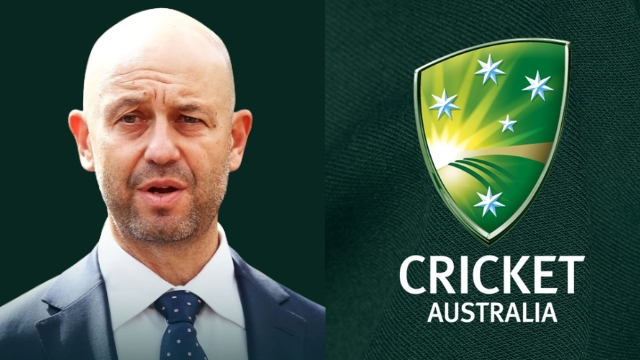
Cricket Australia’s new chief lays out priorities: fan experience, Test relevance, infrastructure reform, and global engagement
In his first wide-ranging remarks since becoming CEO of Cricket Australia, Todd Greenberg has shared a progressive vision for the future of cricket—blending tradition with innovation, and business with entertainment. Speaking to News Corp and other Australian outlets, Greenberg tackled topics from Test cricket’s evolution to Saudi investment and infrastructure flexibility.
Entertainment first: redefining cricket’s business
“It’s something I’m passionate about and it comes from my starting proposition, which is what business are we in?” Greenberg said. “My view has always been we are in the entertainment business and so if we’re in the entertainment business that means we’re trying to make sure as many fans can enjoy their cricket as possible.”
This fan-first mindset shapes Greenberg’s leadership strategy, focused on relevance, accessibility, and modernization across formats and platforms.
Bad light rule under the spotlight
Greenberg criticized the long-standing issue of play stoppages due to bad light, calling it outdated.
“The frustration that goes when we walk off with bad light is we may be one of the last industries left that would do that,” he said. “We need to find ways to innovate and figure out solutions so that doesn’t happen in the future.”
He urged a coordinated global approach: “It is something we have to address as a sport, not just Australian cricket, but global cricket.”
Infrastructure evolution: drop-in wickets and multi-use venues
Greenberg pushed for greater flexibility in pitch preparation and venue use, particularly in cities like Sydney where drop-in wickets are currently not feasible.
“Cricket has long maintained the need to continue with the wicket squares in stadiums, but my view going forward is there’s flexibility on both parties,” he said. “If governments are going to invest billions of dollars in infrastructure, what they want in return is usage and content.”
He believes drop-in wickets can help unlock new opportunities during the off-season: “We can play additional events with drop-in wickets. The advantage works both ways.”
Saudi investment: inclusion over resistance
On the topic of Saudi Arabia’s growing presence in global sport, Greenberg took a pragmatic stance.
“You don’t have to be Einstein to work out that there’s an opportunity for Saudi investment for a lot of sports across the world,” he said. “The principal point is: do you want it to happen to you, or do you want it to happen with you?”
While acknowledging public concerns, Greenberg emphasized the importance of awareness and strategic involvement: “Making sure you’re in the conversation… is important because I don’t want it to happen without our knowledge or input.”
Big Bash League: growth before equity sale
Amid speculation about selling stakes in the Big Bash League, Greenberg clarified the league’s current focus is on long-term strategy, not short-term investment.
“This is a very profitable league. It’s doing really well. So the question for us is how do we maximise some of that?”
He stressed exploration over haste: “Is that changing strategy, is it expansion