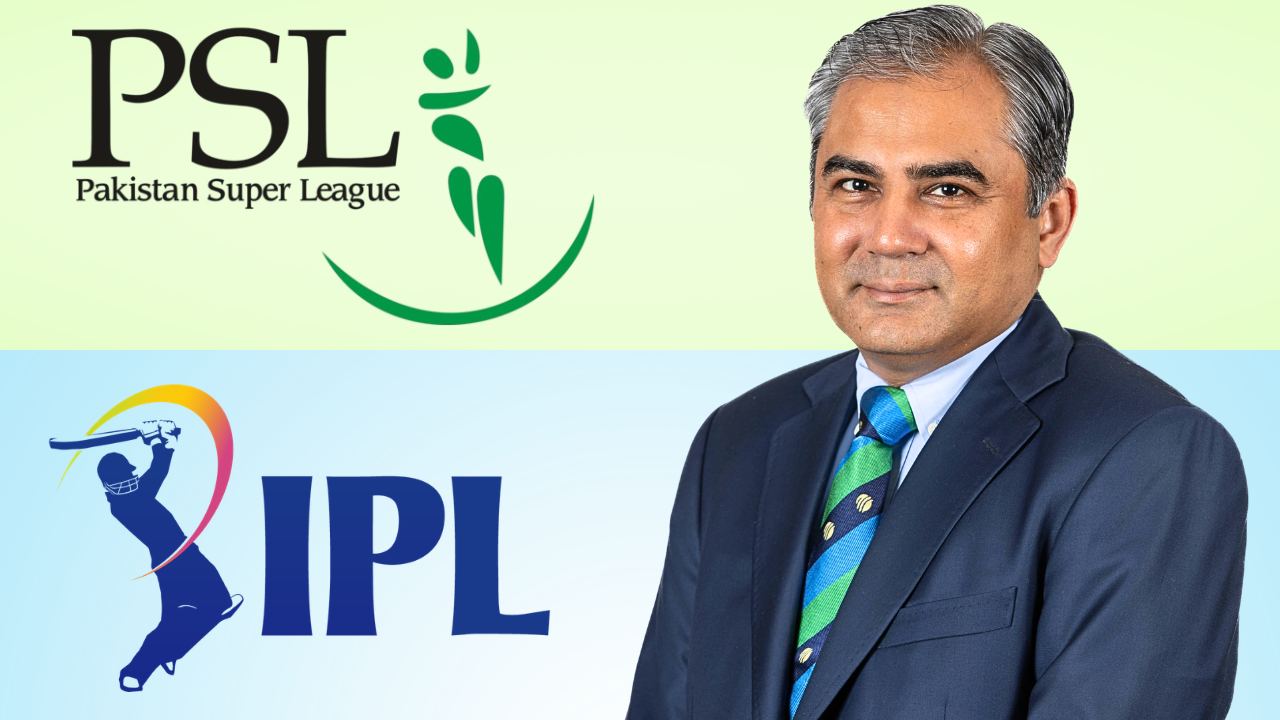
Speaking at the PCB’s 82nd Board of Governors meeting, PCB Chairman Mohsin Naqvi framed the PSL as an increasingly attractive destination for investors, pointing to rising franchise valuations and the addition of two new teams ahead of the 2026 season.
PCB Chairman Mohsin Naqvi presides over the 82nd Board of Governors (BoG) meeting held at Gaddafi Stadium, Lahore. pic.twitter.com/5TG0dHw0Rf
— Pakistan Cricket (@TheRealPCB) April 5, 2026
“The PSL has now become the best market for investment,” Naqvi said.
That confidence extended beyond growth metrics to a direct challenge of the IPL’s long-standing dominance in the global T20 ecosystem.
“The time is not far when the PSL will become the world’s number one league,” he added.
The expansion to eight teams, combined with record franchise sales, has strengthened the PCB’s narrative that the PSL is entering a new commercial phase—one designed to attract long-term capital and elevate its global standing.
Expansion signals growth—but highlights scale gap
The latest franchise sales generated approximately US$ 12.9 million combined, a record return within the PSL’s own ecosystem and a signal of improving investor appetite.
However, when placed alongside the IPL’s financial benchmarks, a strong disparity remains. Individual IPL franchises are now valued well above US$ 1.6 billion, based on the recent transactions of the Rajasthan Royals and RCB, with the league’s broader ecosystem estimated at around US$ 18 billion.
Media rights further underline the imbalance: the PSL’s rights cycle sits at roughly US$ 93 million, compared to the IPL’s multi-cycle deals exceeding US$ 6 billion. Annual league revenues reflect a similar contrast, with the PSL generating an estimated US$ 50–60 million against the IPL’s US$ 1 billion-plus scale.
Even as the PSL positions itself as an emerging investment market, the numbers illustrate the gap remaining.
Operational strain adds to uncertainty in 2026
The league’s commercial ambitions are unfolding in 2026 against a challenging domestic backdrop.
Logistical constraints linked to energy shortages and broader regional instability have already forced adjustments to the PSL’s staging, including reduced venues and scaled-back event operations – as matches were played without a fan presence per a government mandate. These conditions not only impact matchday revenues but also limit the league’s ability to deliver a premium broadcast and fan experience.
Naqvi’s vision positions the league as a future global leader, built on expansion, market growth, and untapped potential. The coming seasons are likely to determine whether the PSL can translate its momentum into sustainable growth—or whether the gap to the IPL will continue to define its ceiling in the global cricket economy.