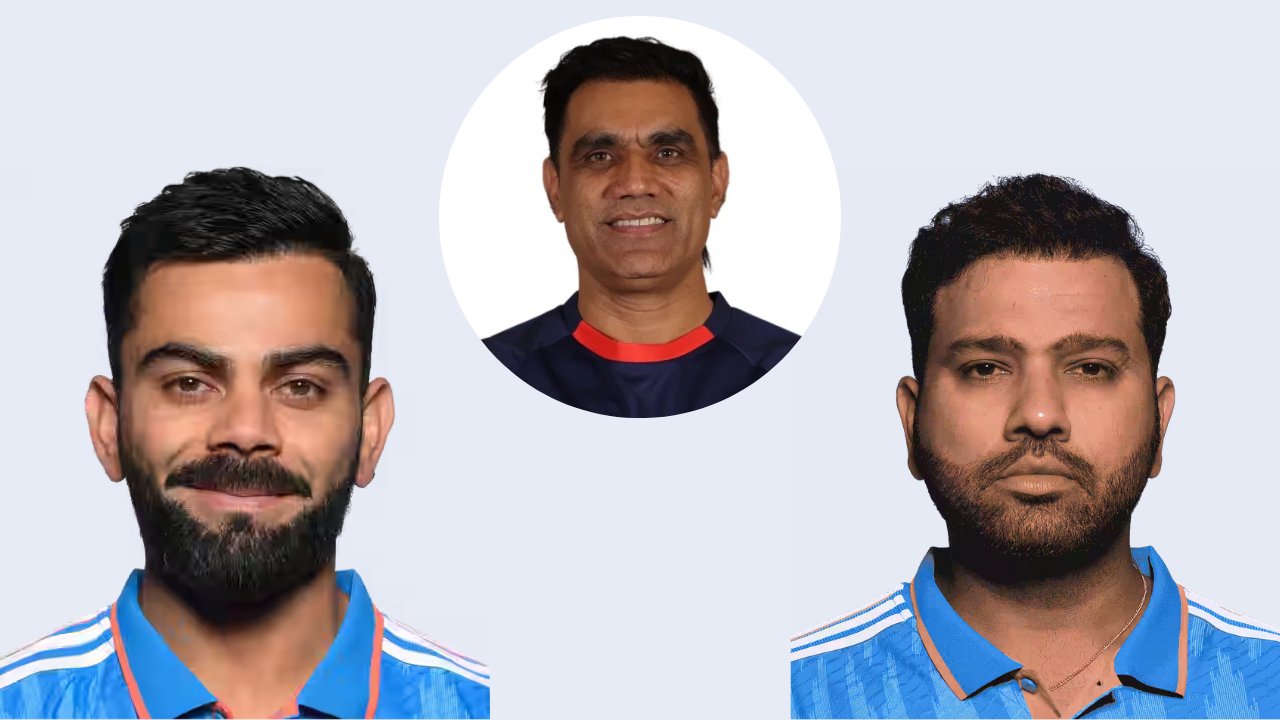
As the balance between franchise cricket and international commitments continues to shape the modern game, the priorities of senior Indian players remain under close scrutiny, particularly in a packed global calendar. That dynamic has come into sharper focus during IPL 2026, where former India Captain Virat Kohli and former India Captain Rohit Sharma continue to operate within the league while keeping their long-term focus aligned with India’s ODI ambitions.
India-first approach continues to define veteran mindset
With both players having stepped away from Test and T20I formats, their schedules are now increasingly aligned with white-ball international cricket, especially with an ODI World Cup cycle underway. Former India international Munaf Patel, reflecting on their approach, said while speaking to The Times of India, “I have always seen Virat Kohli and Rohit Sharma put the country first. The level of priority they show is on another level. They might leave the IPL if needed, but they will never leave the Indian team. That’s something you will always see.”
Their recent participation in the Vijay Hazare Trophy underlined that focus, with both players using domestic competition to maintain rhythm and fitness rather than relying solely on IPL exposure.
Past resistance to Impact Player rule resurfaces
The evolving tactical landscape of the IPL has introduced new roles, including the Impact Player rule, which has been a subject of debate among senior cricketers. Swastik Chikara, recalling a conversation from last year while speaking to RevSportz, shared Kohli’s earlier stance on the rule, stating, “Virat bhaiya said, ‘Jab tak cricket khelunga, jab tak main poora fit hoon. Ye Impact Player ki tarah nahi khelunga. Main sher ki tarah khelunga. I will field for the full 20 overs and then bat. The day I have to play as an Impact Player, I will quit cricket’.”
Match situation forces tactical adjustment
That position, however, met a different reality during Royal Challengers Bengaluru’s clash against Lucknow Super Giants, where Kohli was deployed as an Impact Player due to fitness concerns. Carrying an ankle issue and not fully match-ready, he was introduced into the game during the chase, reflecting a pragmatic shift driven by team requirements.
Despite the constraints, Kohli delivered a decisive contribution, scoring 49 off 34 balls and setting the tone in a successful chase of 147, which was completed in just 15.1 overs.
Performance delivered despite fitness concerns
Following the match, Kohli acknowledged the physical challenges he was managing during the game. Speaking to the broadcasters, he said, “I’m still not 100%. My knee was a bit sore last game. Even health-wise, I’ve been under the weather for four or five days.”
Even within those limitations, his approach remained aggressive in the early stages of the innings, shaping the outcome of the contest. Reflecting on his performance, he added, “I started off well, so I was happy with my intensity. Would have liked to finish the game, but sometimes you have to take conditions into account.”
Rohit Sharma injury adds to veteran workload concerns
Parallel to Kohli’s situation, Rohit Sharma is also managing fitness issues, having picked up a hamstring problem during Mumbai Indians’ recent fixture. The former India Captain was forced to retire hurt after scoring 19 off 13 balls, with his absence expected to impact upcoming matches as Mumbai navigates a challenging phase in the tournament.
Larger questions over workload and priorities
The contrasting elements of commitment, adaptability, and physical management continue to define how senior players operate in the current environment. While tactical innovations like the Impact Player rule reshape in-game decisions, the broader narrative remains anchored in how players balance franchise obligations with international priorities.
As the ODI cycle progresses, the decisions made by players such as Kohli and Rohit will continue to reflect a wider shift in how elite cricketers manage longevity, workload, and their role within both national and franchise setups.