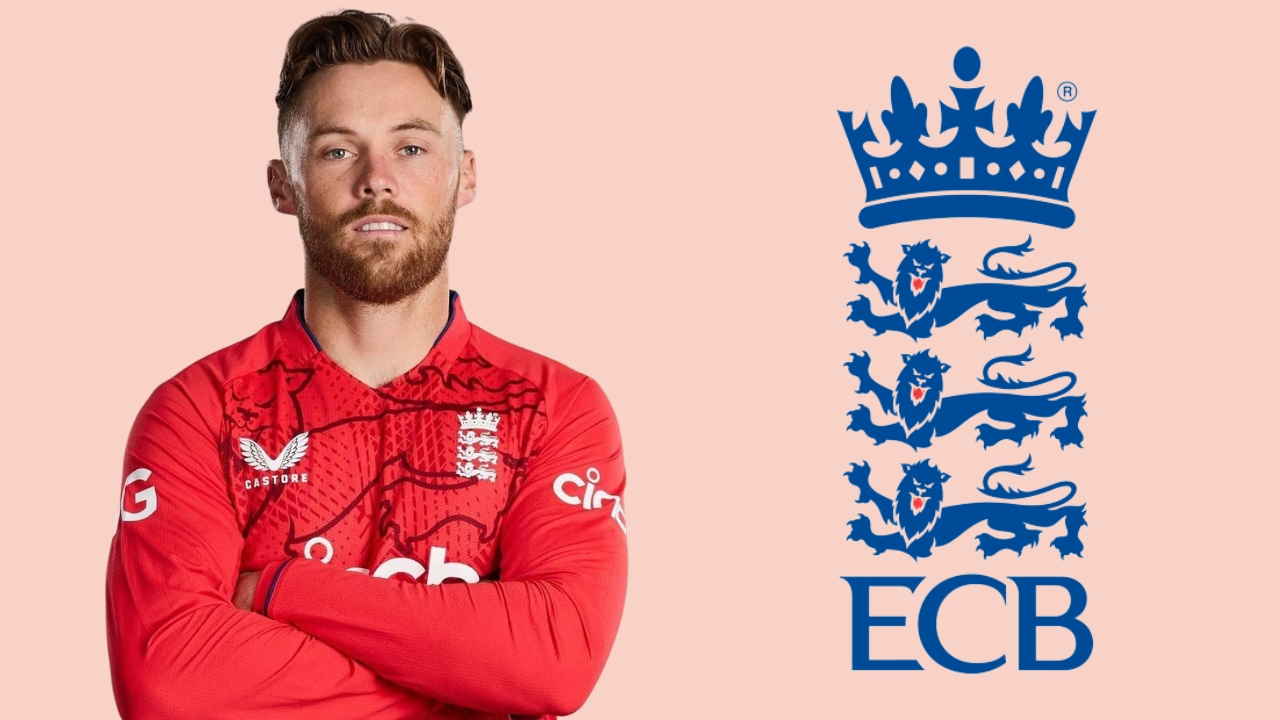
A bat used by Phil Salt during Lancashire Lightning’s Vitality Blast fixture against Northants Steelbacks became the centre of an unexpected controversy after it failed an on-field bat gauge test. The incident, which occurred during the first over of Lancashire’s run chase, led to allegations that Salt had breached ECB Directives 3.2 and 3.3.
In a club statement, Lancashire said:
“Salt was alleged to have breached ECB Directives 3.2 and 3.3, after his bat failed an on-field bat-gauge test during the Vitality Blast fixture. It is a bat that he has used for the last two years for England, Lancashire and in the IPL with no issue.”
While the bat had passed scrutiny in international and franchise cricket over two years, it failed to pass through the on-field gauge used by umpires. Further post-match testing produced inconsistent results, with the bat fitting through the gauge on several occasions, but not conclusively.
“Salt’s bat did not pass through the gauge on the field and was therefore deemed to have failed the test, and in further tests carried out after the match, it was deemed inconclusive despite the bat fitting through the gauge on several occasions,” Lancashire said.
Despite believing the matter should have ended there, the bat was taken away for further inspection.
“The Club and player felt this should have been the end of the matter, but the officials felt it necessary for the bat to be taken away for further testing.”
Cricket Regulator clears Salt, no action taken
The Cricket Regulator later confirmed the bat complied with all equipment regulations.
“Following standard practice the bat was then subject to a post-match test, the results of which were inconclusive.”
And later added:
“On 7th July, the Cricket Regulator investigated the matter and found the bat to be compliant with the regulations. Accordingly no further action will be taken against the player or Lancashire in this matter.”
Lancashire confirmed this outcome:
“Following this evidential testing process undertaken by the Cricket Regulator, the bat was found to be compliant with the Regulations – and the Club and player have been informed that no further action will be taken.”
Lancashire condemns handling and backlash
The club criticized how the issue was handled—both by match officials and in the public domain.
“At Lancashire, we believe this whole process could have been avoided with improved processes on and off the field, whether that be through better equipment and/or additional training.”
They also addressed the online and media fallout:
“Following the incident there have been inappropriate comments made by match commentators, inaccurate articles written in the media and some unsavoury social media posts towards the player, that could have been avoided.”
ECB and Regulator stand by match officials
While Lancashire voiced its frustration, both the ECB and the Cricket Regulator defended the procedures followed. The regulator emphasized that match officials acted within protocol, stating:
“that the match officials performed their roles fully in compliance with the regulations.”
They also noted:
“acknowledge the cooperation provided by Lancashire and the player in this matter.”
An ECB spokesperson told BBC Sport:
“We are working with all parties involved to ensure they are clear on the correct process for bat gauge testing.”
Broader questions raised about bat testing
Though Salt has been cleared and the matter is officially closed, the incident highlights a gap in clarity and consistency around bat testing protocols. With Salt having used the same bat across England, Lancashire, and the IPL without issue, the on-field failure—and the storm that followed—has prompted questions about equipment standards and enforcement.
Salt, who scored 403 runs for Royal Challengers Bengaluru during their title-winning 2025 IPL campaign, now moves forward with his name cleared—but the debate over how the game handles bat compliance may just be beginning.