Uncertainty around overseas player availability is becoming an increasingly difficult challenge for IPL franchises as international schedules, workload management and national board decisions continue disrupting squad planning across the tournament. Several teams were forced to manage key absences during IPL 2026 despite investing heavily in overseas stars at the auction, renewing debate around whether stronger scheduling alignment is needed between the BCCI and foreign cricket boards.
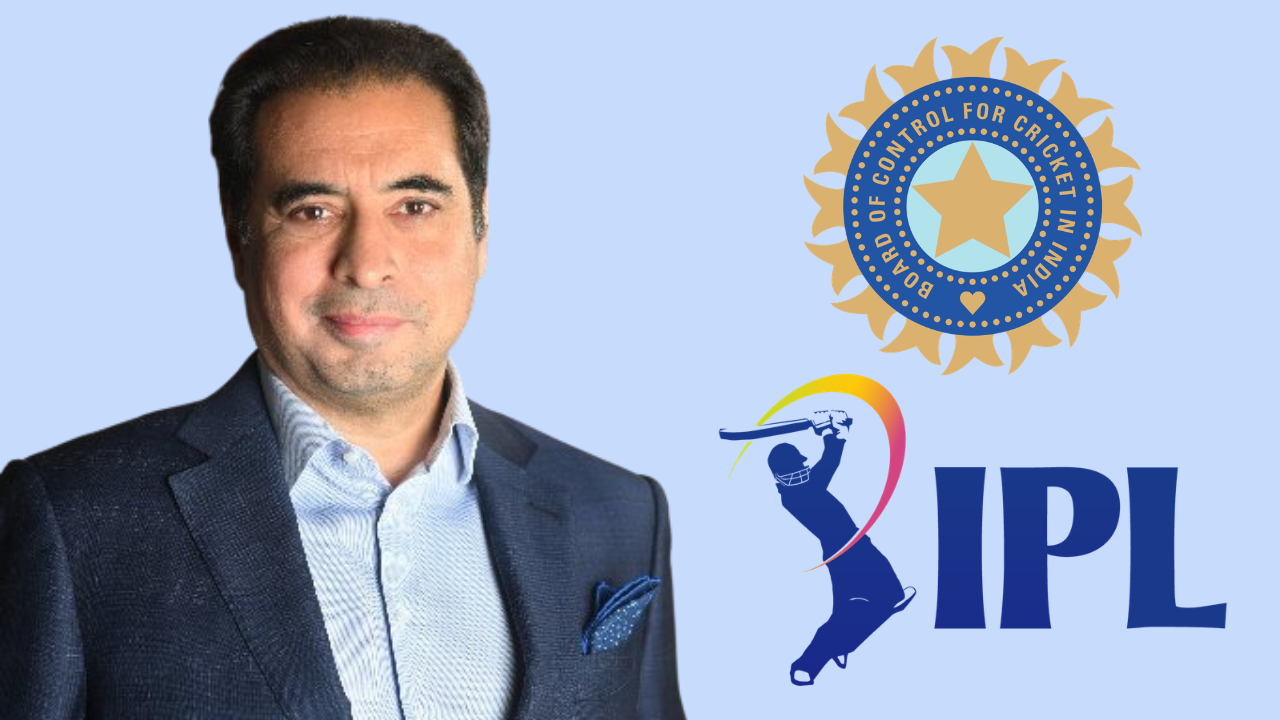
Punjab Kings Co-Owner Mohit Burman, speaking to PTI, acknowledged the growing complexity surrounding player availability while stressing that franchises require greater clarity when building squads around marquee international signings. “It is a sensitive issue because international cricket calendars are extremely crowded, and players also have commitments to their national boards. But ideally, when a player commits to a franchise, there should be as much clarity as possible around availability.”
The issue resurfaced prominently this season after Mitchell Starc was cleared by Cricket Australia only for the second half of the IPL campaign, by which stage Delhi Capitals’ playoff hopes had significantly weakened. Australia captain Pat Cummins and fast bowler Josh Hazlewood were also unavailable for parts of the tournament due to fitness-related concerns and workload management.
Franchises facing growing planning uncertainty
The availability concerns are becoming increasingly significant as franchises continue spending heavily on elite overseas players expected to shape entire campaigns. While the BCCI has already introduced a two-year ban for overseas players who withdraw after being purchased at auction — excluding injury-related cases — franchises still remain dependent on national board release decisions during the season itself.
Earlier this month, Delhi Capitals Head Coach Hemang Badani expressed frustration over the limited control franchises possess once player availability becomes tied to international board management. “Ideally, I would want my players to be available to me from day one. But if there are certain things decided by associations and governing bodies, there’s very little that we can do,” he said.
Badani also pointed directly to Cricket Australia’s management of player releases during the season. “Because if Cricket Australia does not release him, which was also the case with Hazlewood, also the case with Pat Cummins, there’s little a coach or any franchise can do about that. Hopefully, we have a solution to it in the future,” he added.
Overseas absences affecting auction strategy and fan expectations
Beyond on-field disruption, player uncertainty is also beginning to influence how franchises approach auction investments, squad balance and season planning.
Burman noted that overseas availability complications create broader operational challenges for teams attempting to build continuity across a long tournament. “From a franchise perspective, planning becomes difficult when key players are unavailable for significant portions of the tournament despite being major auction investments.”
The issue also carries commercial and fan-engagement implications, particularly when high-profile international players miss major parts of the competition after attracting significant attention during the auction cycle.
Burman said the long-term solution would require stronger coordination across the global cricket ecosystem rather than confrontation between stakeholders. “Fans also expect to see marquee players from the start of the season. At the same time, solutions have to come through collaboration rather than confrontation. The BCCI, franchises, players and international boards all need to align schedules better and create clearer commitments,” he stated.
As franchise leagues continue expanding globally while international calendars become increasingly congested, player availability is expected to remain one of the most sensitive operational issues facing IPL teams ahead of future auction cycles.