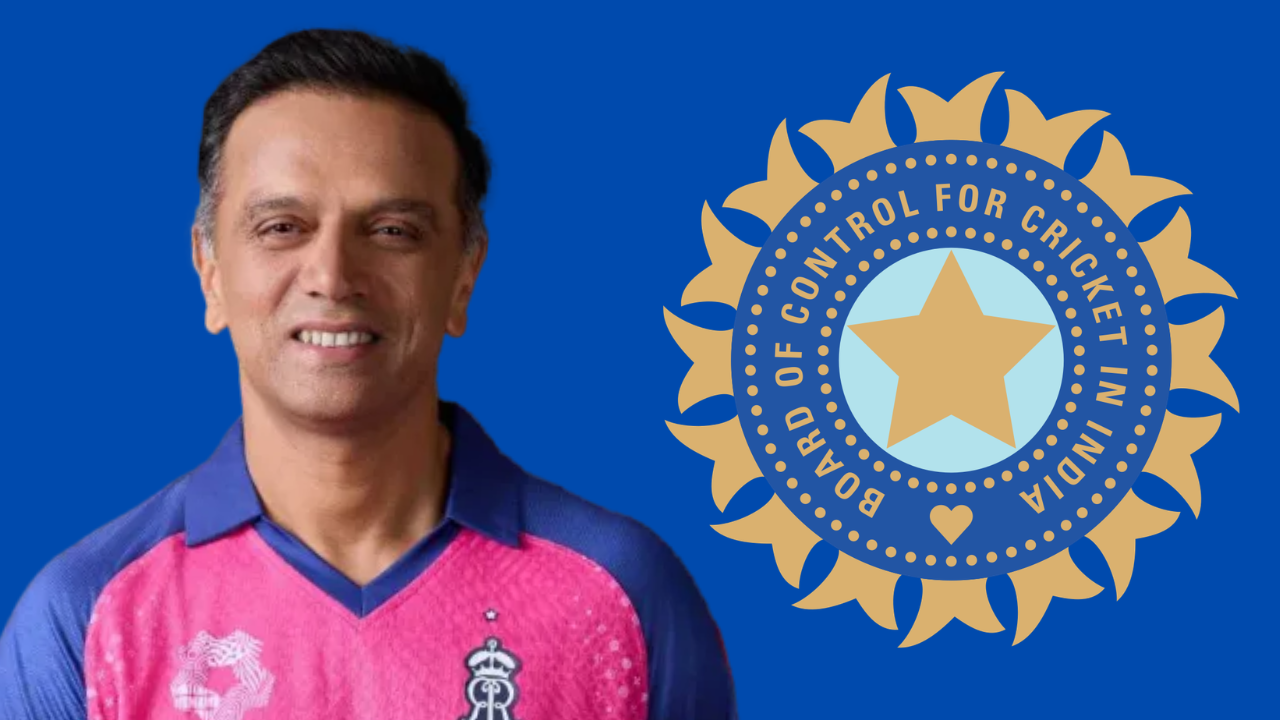
A moment of personal recognition turned into a wider reflection on Indian cricket’s journey. Rahul Dravid, long regarded as one of the game’s most dependable figures, used the occasion to shift focus from individual milestones to the system that shaped generations of cricketers. Speaking after receiving the BCCI Colonel C.K. Nayudu Lifetime Achievement Award at the Naman Awards ceremony, Dravid outlined how his story is closely tied to the rise of cricket across the country.
🗣️ 𝗔 𝗹𝗮𝗿𝗴𝗲 𝗽𝗮𝗿𝘁 𝗼𝗳 𝘁𝗵𝗲 𝘁𝗮𝗹𝗲𝗻𝘁 𝗰𝗼𝗺𝗶𝗻𝗴 𝘁𝗵𝗿𝗼𝘂𝗴𝗵 𝗶𝘀 𝗱𝘂𝗲 𝘁𝗼 𝘁𝗵𝗲 𝗶𝗻𝗳𝗿𝗮𝘀𝘁𝗿𝘂𝗰𝘁𝘂𝗿𝗲, 𝗳𝗮𝗰𝗶𝗹𝗶𝘁𝗶𝗲𝘀, 𝗮𝗻𝗱 𝗰𝗼𝗮𝗰𝗵𝗶𝗻𝗴 𝗶𝗻 𝗲𝘃𝗲𝗿𝘆 𝗻𝗼𝗼𝗸 𝗮𝗻𝗱 𝗰𝗼𝗿𝗻𝗲𝗿 𝗼𝗳 𝘁𝗵𝗲 𝗰𝗼𝘂𝗻𝘁𝗿𝘆.
🎥 Hear from Col. C.K.… pic.twitter.com/YP6tKMbIAr
— BCCI (@BCCI) March 17, 2026
Gratitude anchors a career spanning three decades
The honour capped nearly 30 years of association with Indian cricket, from his early days in domestic cricket to guiding the national side as Head Coach to the ICC Men’s T20 World Cup 2024 title. Dravid, who accumulated more than 24,000 international runs and served Indian cricket across multiple roles, began by acknowledging the significance of the recognition.
“I am very grateful to receive this award. The earlier recipients of this award are some of the greatest legends of the game in our country. It’s the people I have looked up to, admired, and been great inspirations to me as a player, as a coach, and in all the other things I’ve been involved in Indian cricket. So, it’s a great privilege. I’m very grateful for that honour, very humbled and very appreciative of the fact that I’ve been able to be involved in Indian cricket for such a long time. Since the time I was a young boy, probably playing under-15 cricket for the first time, till today, I’m very grateful for the opportunities that I’ve had,” he said.
That sense of gratitude provided the entry point to a deeper reflection on how the game itself has evolved during his time within it.
Infrastructure and opportunity driving India’s talent surge
Dravid pointed to structural growth as the defining force behind India’s expanding talent base. “The Board of Control for Cricket in India has played a huge role in my life and in my career, right from giving me the opportunities as an individual to grow and develop as a cricketer, but also in being able to spread this game all over the country. When you look at the talent that is coming from all parts of the country today, a large part of that is due to the infrastructure, the facilities, and the coaching that exist in every nook and corner of the country,” he noted.
He explained that while ability has always existed, the difference today lies in access and support systems. “That is a huge change that I have seen even in my own career. There was always talent, but sometimes it lacked the opportunities and the infrastructure to really develop and grow that talent. With the ability and the money that the BCCI has got in the game today, it has been really used wisely to ensure that a lot of that opportunity has reached so many boys and girls in small towns and cities today, and that is where a lot of the talent is coming from today,” he added.
Administrators, opportunities, and the rise of role models
Beyond infrastructure, Dravid highlighted the administrative push that has enabled cricket to become a viable pathway for young athletes. “A large part of that is the great role that many of the administrators have played for the BCCI, and Mr. Jay Shah and his team continue to do that. It has been fantastic to see the way the game has developed and grown and given so many opportunities for young boys and girls to make a career in the sport. It has also allowed many young boys and girls to become inspirations for the next generation of young people coming through,” he said.
That transformation, he stressed, goes beyond performance metrics and into societal impact. “That is very important. Indian cricket and Indian people need role models; they need inspirations, and who better than sportsmen and cricketers to be role models and inspirations for another generation. A large part of that credit must go to the BCCI for all the work that they have done over the years,” he stated.
From grassroots to global stage: Dravid’s cricketing journey
Dravid’s own pathway mirrors the system he described. Starting in age-group cricket and progressing through domestic ranks, he spent several years honing his game before breaking into the national side, where he went on to represent India for 16 years.
“I’ve been incredibly fortunate to be part of Indian cricket – first as a junior, benefiting from the BCCI’s grassroots system, and the opportunities it gave me to develop my game. I then went on to play first-class cricket for Karnataka in the Ranji Trophy, spending four to five years in domestic cricket before making it to the Indian team. I had the privilege of representing India for 16 years, an experience that helped me grow immensely, both as a cricketer and as a person,” he said.
His career included landmark achievements as a batter and captain, while his post-retirement phase saw him transition into mentoring roles, including guiding India’s Under-19 setup and strengthening development pathways at the National Cricket Academy.
Carrying forward a legacy across generations
Dravid’s involvement with the game has extended well beyond his playing days, with nearly 14 years spent in coaching and development roles after retirement.
“Even after retirement, it’s been nearly 14 years now, almost as long as my playing career for India, but I’ve been fortunate to stay connected to the game. Coaching, working with junior teams, and being involved at the academy have given me a wide range of experiences. It’s also made me deeply appreciative of the many people who shape Indian cricket. Over the 30 years I’ve been part of it, I’ve seen the game grow into a true powerhouse, both on and off the field. That journey has been built on the sacrifices of countless individuals – administrators, coaches, and, of course, the many great players who have represented the country,” he noted.
He framed his contribution as part of a continuous cycle rather than an isolated achievement. “I think that I’ve always just seen my role as just carrying a torch. I carried a torch from an earlier generation, whether I was a player or a coach. I have just built on the good work that other people have done. I have had my time when I’ve had the opportunity to contribute and do the best that I can,” he explained.
Looking ahead, Dravid expressed confidence in the current generation to take Indian cricket even further. “I’m very proud and grateful to see the way the next generation continues to carry that on, and the kind of successes that we have had are a great credit to the current management, the current team and everyone involved with Indian cricket. So we all have our time in the game, and we have to do our bit, and I’ve tried to do the best that I can, and I’ve been inspired by generations before me, and it’s just amazing to see that generations ahead of us continue to, in fact, take it to another level,” he said.
In reflecting on his own journey, Dravid ultimately presented a larger picture — one where individual success is inseparable from the steady growth of a cricketing ecosystem that continues to expand across India.