India’s T20 World Cup 2026 campaign has taken an unexpected political turn. What began as scrutiny over team selection after a heavy Super 8 defeat has escalated into allegations of religious discrimination involving two of India’s senior fast bowlers.
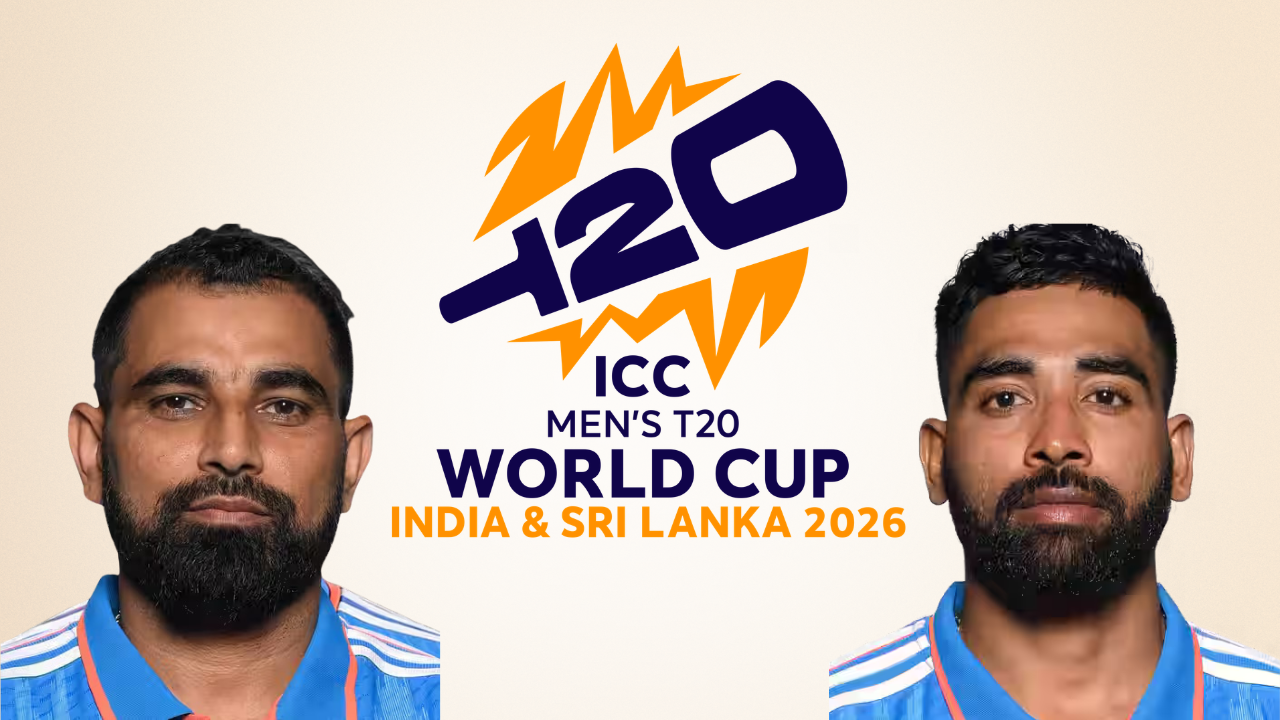
According to a report by Zee News, leaders from the All India Majlis-e-Ittehadul Muslimeen (AIMIM) and the Samajwadi Party (SP) – Mufti Ismail and Abu Azmi respectively – have alleged that Mohammed Shami and Mohammed Siraj were excluded from the playing eleven because they are Muslims, triggering a heated debate in Maharashtra.
Allegations emerge after South Africa defeat
The controversy intensified following India’s 76-run loss to South Africa in their first Super 8 match. AIMIM MLA Mufti Ismail questioned whether the absence of Shami and Siraj from the playing combination contributed to the defeat and suggested that Muslim players were being systematically overlooked.
Samajwadi Party leader Abu Azmi echoed similar concerns, arguing that if players were being denied opportunities based on religion, it would amount to a serious matter. The allegations quickly gained traction in political circles, placing cricket selection under public scrutiny at a crucial juncture of the tournament.
India had remained unbeaten during the league stage before the 76-run setback against South Africa in their Super 8 opener. The political remarks surfaced in the immediate aftermath of that defeat, adding external scrutiny as India prepared for their next fixture against Zimbabwe, which they went on to win by 72 runs.
Maharashtra leaders push back against claims
The accusations were firmly rejected by leaders from other political parties. Idris Naikwadi of the Nationalist Congress Party (Ajit Pawar faction), who heads the Minority Affairs Department, dismissed the claims and highlighted the longstanding presence of Muslim cricketers in India’s national team, including former captains who led the side with distinction.
Maharashtra’s Congress leader Amin Patel also rejected the allegations, stating that team selection is based on performance and merit rather than religion.
From the ruling coalition, Maharashtra minister Bharat Gogawale responded strongly, asserting that team combinations are determined by match situations and tactical requirements. He criticized attempts to inject communal politics into sport and called for such narratives to be withdrawn. Yuva Swabhiman Party leader Ravi Rana similarly urged those making the allegations to retract their statements and apologize.
Team management maintains tactical reasoning
While the political exchange continues, the team’s current composition reflects tactical and fitness considerations. Mohammed Siraj remains part of the official T20 World Cup 2026 squad but has sat out recent matches as the team opted for spin-heavy combinations. Mohammed Shami, meanwhile, has been managing a long-term injury across the 2025–26 season.
India’s 15-member squad includes Ishan Kishan (wicketkeeper), Abhishek Sharma, Tilak Varma, Suryakumar Yadav (captain), Washington Sundar, Shivam Dube, Hardik Pandya, Rinku Singh, Arshdeep Singh, Varun Chakaravarthy, Jasprit Bumrah, Mohammed Siraj, Axar Patel, Kuldeep Yadav and Sanju Samson.
Following their 72-run victory over Zimbabwe, India now head into their final Super 8 clash against West Indies on 1 March, a virtual quarterfinal that could determine qualification. Inside the camp, the focus remains firmly on on-field execution rather than the political noise surrounding team selection.
Cricket caught in wider identity debate
The episode underscores how high-stakes international tournaments can intersect with domestic political narratives. As India navigates a critical phase of the T20 World Cup 2026, questions around team selection have moved beyond tactical analysis into the realm of identity politics.
Whether the debate subsides will likely depend on results on the field. For now, India’s campaign continues under intense scrutiny — not just for performance, but for the wider conversation it has unexpectedly ignited.