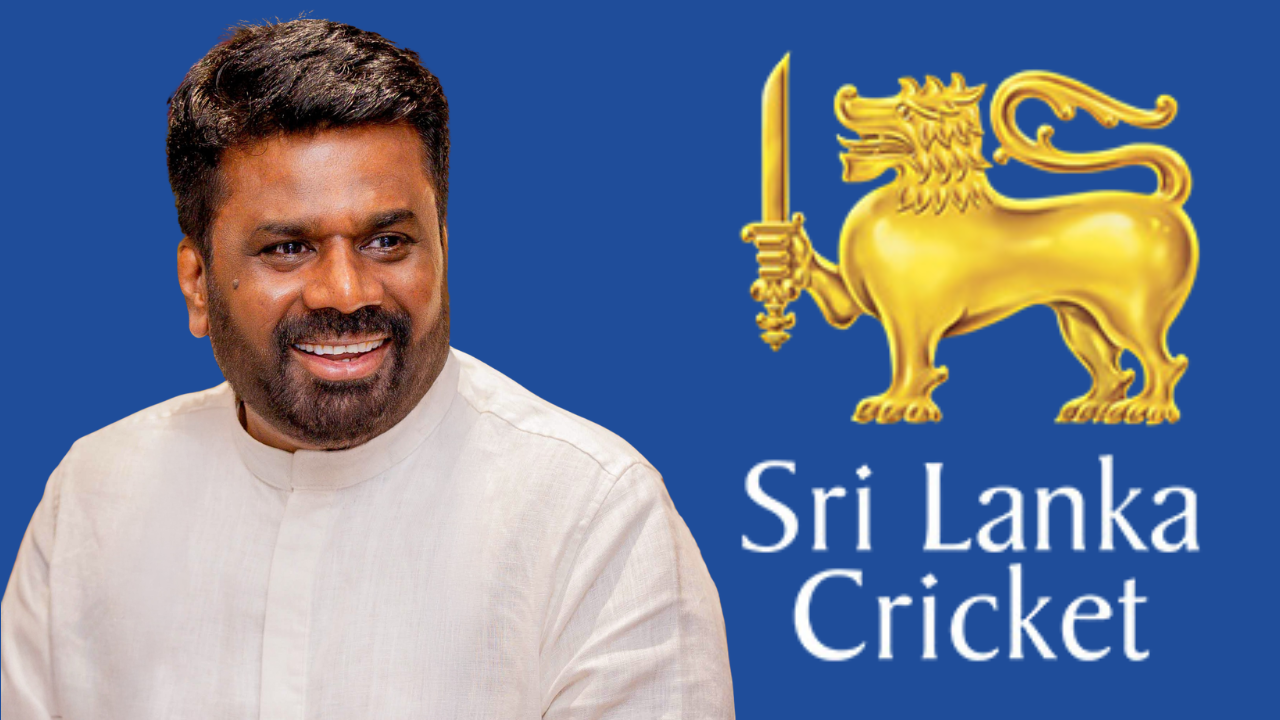
Sri Lanka’s efforts to reshape the governance of its national cricket administration gathered fresh political backing this week after President Anura Kumara Dissanayake met with the Sri Lanka Cricket (SLC) Transformation Committee to review progress on reforms and discuss the next steps in modernising the sport’s administration, according to the President’s Media Division.
The discussions, held at the Presidential Secretariat, centred on the challenges facing cricket in Sri Lanka and the role the Government can play in supporting the sport’s long-term development, with the meeting coming as work on a new governing constitution enters its final stages.
Constitutional reforms move closer to implementation
The meeting comes as the Transformation Committee continues to push forward with a draft constitution designed to strengthen governance, improve transparency and introduce greater accountability across Sri Lanka Cricket.
Among the most significant proposals is a reduction in the number of organisations eligible to vote in Sri Lanka Cricket elections. Under the draft framework, voting rights would be limited to 39 clubs and associations, with eligibility tied more closely to active participation and contribution to the domestic game rather than historical status.
The committee has also proposed a revised voting structure under which associations competing at the highest domestic level would receive greater representation, while organisations with little or no involvement in cricket activities would no longer retain the same influence within the electoral system.
Another key recommendation would reduce the size of the Sri Lanka Cricket Board from 20 members to 14 as part of wider efforts to streamline decision-making and strengthen governance.
Reforms aim to separate governance from operations
The proposed constitution also seeks to redefine how Sri Lanka Cricket is managed by drawing a clearer distinction between governance and day-to-day administration.
Under the recommendations, operational responsibility would rest with the Chief Executive Officer and the executive management team, while the Board would focus primarily on strategic oversight and policy decisions.
The Transformation Committee believes those structural changes would help establish a more stable administrative framework while limiting political influence over the running of the organisation.
ICC governance context remains in focus
As previously reported by cricexec, the ICC recently confirmed that Sri Lanka Cricket will remain without representation at ICC Board meetings until an elected administration is restored, despite acknowledging progress towards a revised constitution.
The latest meeting between President Dissanayake and the Transformation Committee comes against that backdrop, with the constitutional reform process remaining a central requirement in Sri Lanka Cricket’s wider governance transition.
Senior officials attend discussions
Alongside President Dissanayake, the meeting was attended by Sports Minister Sunil Kumara Gamage, Presidential Chief of Staff Prabath Chandrakeerthi, Transformation Committee Chairman Eran Wickramaratne and committee members Roshan Mahanama, Avanthi Colombage, Upul Kumarapperuma, Thushira Radella, Sidath Wettimuny and Dinal Philip.
The discussions underline the Government’s continued engagement with the reform process as Sri Lanka Cricket works towards implementing a new governance framework and ultimately restoring an elected administration.