A series of close calls and contentious moments can often pass as part of the IPL’s high-pressure environment. But when they begin to accumulate, they tend to shift from isolated incidents into a broader concern.
That appears to be the situation unfolding around Sunrisers Hyderabad, who are now reportedly evaluating a formal move after multiple decisions across matches left the franchise dissatisfied, according to multiple reports.
The developments centre on both umpiring calls and an unusual on-field moment, with the franchise internally assessing whether to escalate the matter to the Board of Control for Cricket in India (BCCI).
Boundary incident adds to growing frustration
The most recent flashpoint emerged in Sunrisers Hyderabad’s defeat to Lucknow Super Giants, where the game was decided late in the chase. Defending a target of 157, Sunrisers saw the contest slip away in the final over as Lucknow secured a five-wicket win.
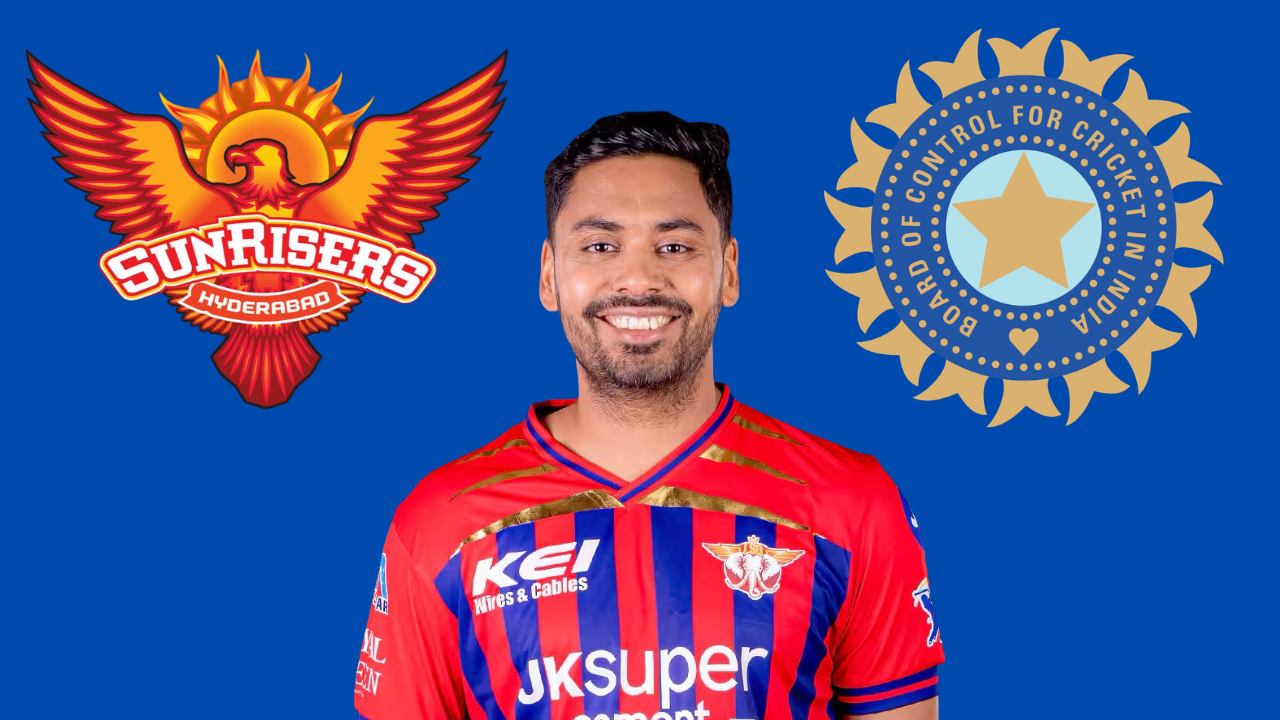
The decisive moment came when Rishabh Pant struck a boundary off Jaydev Unadkat to finish the match, but what followed drew immediate attention. As the ball travelled towards the rope, Avesh Khan — positioned near the dugout — made contact with it before it reached the boundary, prompting questions around whether the act should have been treated differently under the game’s playing conditions.
Although replays suggested no immediate fielding attempt was impacted — limiting the applicability of penalty provisions — the incident has become a central factor in Sunrisers Hyderabad’s growing list of concerns.
A pattern of tight calls across matches
The frustration, however, has built over more than just one game. Across their opening three matches — one win and two losses — Sunrisers Hyderabad have been involved in multiple marginal decisions that have gone against them.
They began their campaign with a defeat to Royal Challengers Bengaluru, before registering a commanding win over Kolkata Knight Riders. However, both those matches featured moments that have since come under internal review.
In the opening fixture, Heinrich Klaasen’s dismissal at the boundary became a talking point after a close catch was upheld due to a lack of conclusive evidence regarding contact with the rope.
A similar situation arose in the subsequent match against Kolkata Knight Riders, where Abhishek Sharma was dismissed following another difficult boundary catch that was ultimately allowed to stand after television review.
While each decision individually fell within the framework of umpiring protocol, their cumulative impact has shaped the franchise’s current stance.
Performance context sharpens scrutiny
These incidents have unfolded alongside an inconsistent start to the season. Sunrisers Hyderabad have shown glimpses of their batting strength — notably in their win over Kolkata — but have also struggled to maintain stability across matches.
In their most recent outing against Lucknow, a recovery effort helped them post a competitive total after an early collapse, only for the game to turn in the closing stages. That sequence — fighting back into the contest before a controversial finish — has further sharpened the focus on key moments.
Formal escalation under consideration
With multiple incidents now forming part of a broader pattern, Sunrisers Hyderabad are understood to be considering formal communication with the BCCI to raise their concerns, according to a report by Cricbuzz. Any such move would be aimed at seeking clarity around decision-making consistency and on-field conduct rather than revisiting outcomes.
The situation also highlights a wider challenge within the IPL — where high-speed decision-making, even when supported by technology, can still leave room for interpretation in marginal scenarios.
A question of consistency as season progresses
For Sunrisers Hyderabad, the issue has evolved beyond individual moments into a larger question around consistency and process.
As the campaign moves forward, how the franchise chooses to respond — both competitively and administratively — will shape not only its trajectory in the standings, but also its engagement with the league’s governance structures.
In a tournament defined by fine margins, confidence in how those margins are judged can be just as important as performance itself.