

Journalist
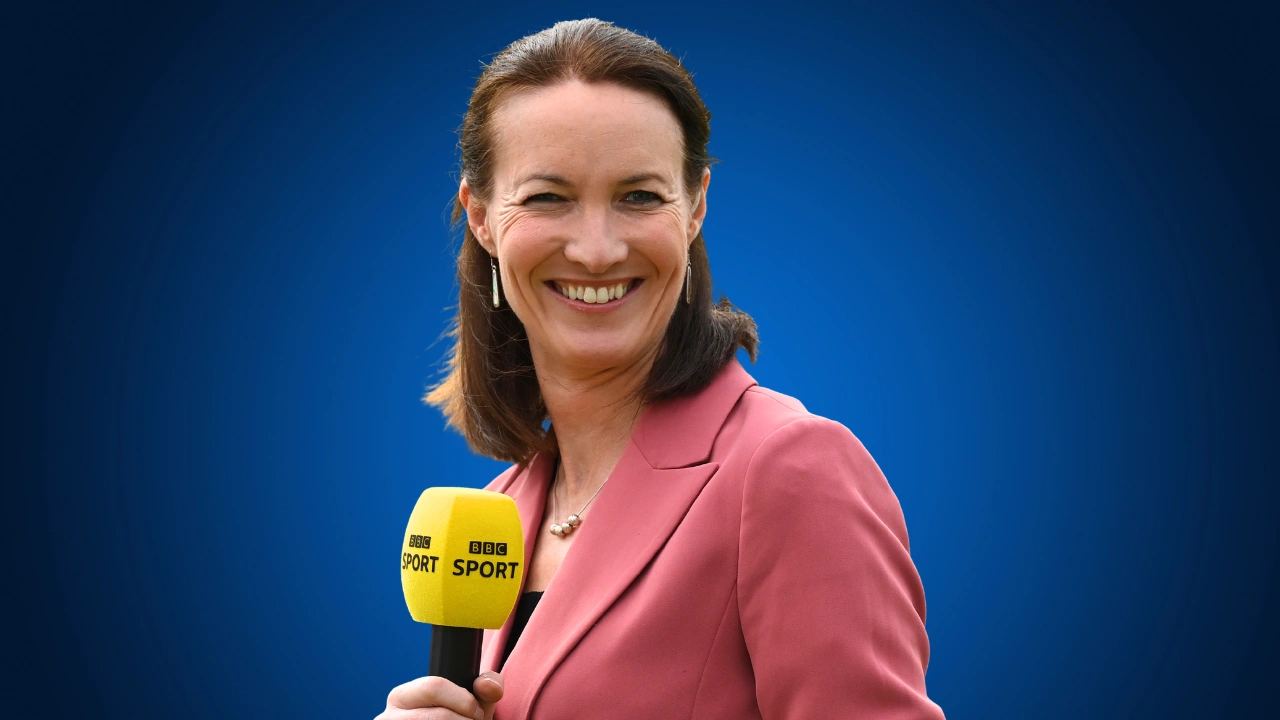
Alison Mitchell didn’t just break into cricket commentary—she rewrote the rules for women in sport. From her first solo ball-by-ball broadcast for the BBC’s iconic Test Match Special in 2007, Mitchell became the defining female voice in international cricket, bringing both authority and insight to a traditionally male-dominated arena. “I just wanted to have longevity in that role long enough for others to come in behind me and for them to hopefully find it easier,” she reflected, acknowledging the trail she blazed for future women commentators.
Raised in Northamptonshire to an English father and Australian mother, Mitchell’s early life combined a love of sport with a fascination for storytelling. She played on school and university sports teams, from hockey to tennis to netball, while immersing herself in cricket at Trent Bridge, Nottinghamshire, where she explored the game’s history and culture for her geography dissertation. “For the first time I began reading about the game in depth… gaining this deep knowledge about the game and then approaching people within cricket for interviews,” she explained, highlighting how her curiosity and initiative launched her career.
Mitchell’s trajectory has been global. She has led commentary for BBC, ABC in Australia, and Channel Seven, covering every major international cricket tour, multiple ICC Men’s and Women’s World Cups, and the Ashes. She made history as the first woman to call men’s international cricket ball-by-ball on ABC Radio Grandstand in 2014, and in 2017 she became the first female commentator on a men’s Ashes TV series. Across platforms, she has also reported and commentated on tennis Grand Slams, Olympic sports, and iconic events like Crufts. “When my daughter hears your voice on the radio or television, she feels cricket is for her as well,” Mitchell recalls a male fan telling her—underscoring the cultural impact of her visibility.
Beyond commentary, Mitchell is a mentor, coach, and advocate. Through the BBC World Service podcast Stumped, she elevates global cricket discourse, tackling complex issues including gender equity. She supports young female broadcasters via programs with the MCC Foundation and ICC, and champions inclusive governance at the top levels of the sport. Reflecting on the journey, she notes the persistent gaps: “I still think there is a big gap at the very top of the governance of the game in terms of gender equity…a critical mass is key for genuine, long-term and meaningful impact”.
Alison Mitchell’s career is a blueprint in resilience, excellence, and trailblazing leadership. By normalizing women’s voices in sport and holding power to account, she has not only shaped how cricket is broadcast but also how it is perceived, making her influence in sport both profound and enduring.