
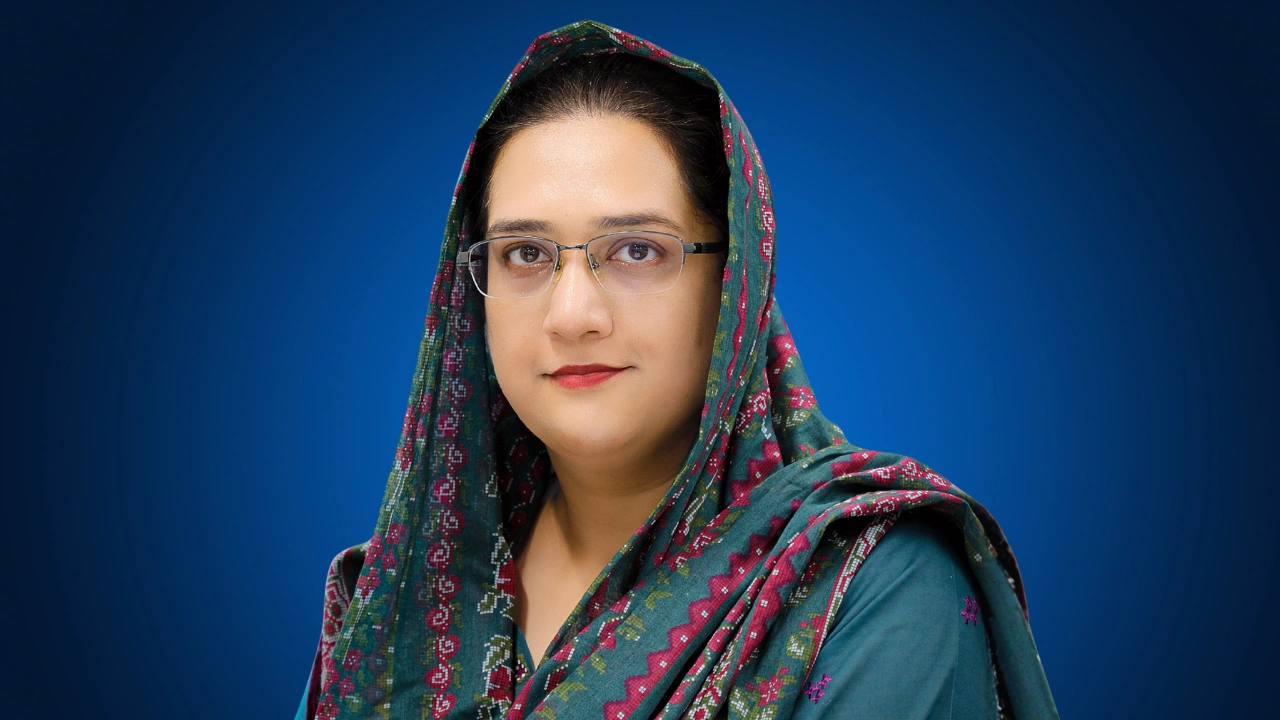
Rafia Haider has spent just over a year and a half leading women’s cricket at the Pakistan Cricket Board, but her influence is already reshaping the sport from grassroots to international stage. “Despite not having a very strong domestic circuit or private sector involvement, the skill level of players is still quite good,” she notes, framing both the promise and the gaps she is tackling.
Her strategy is clear: build pathways for talent development while laying the groundwork for sustainable growth. Haider emphasizes the need to extend training beyond regional academies into schools and wider community programs. “We need more trainings and coaching opportunities at a wider scale rather than limiting it to a few cities,” she says, reflecting her focus on accessibility and long-term development. This work gains urgency with Pakistan set to host the Women’s T20 World Cup in 2028, a milestone she sees as pivotal for both exposure and commercialization.
Haider brings to cricket a decade-long career in Pakistan’s administrative service, including leadership roles as Deputy Commissioner of Lahore and CEO of the Lahore Waste Management Company. “I embrace challenges. Wherever my skill set can help out and where I’m passionate, I go for that,” she explains, describing her transition from government administration to sports leadership as a continuation of her commitment to public impact. Her experience in policy, project management, and service delivery informs how she structures support for athletes, develops pathways, and coordinates with cricketing experts.
Beyond player development, Haider is shaping the ecosystem for women in leadership. She highlights the role of private-sector involvement and university-led initiatives in creating sustainable pipelines for both talent and administrators. “If we have that aspect worked out internally, we can have more representation for women in roles that help out the cricketing base in Pakistan,” she says.
For Haider, cricket is another avenue to apply her lifelong strategy of delivering targeted, meaningful interventions. By enhancing infrastructure, mentoring emerging players, and connecting grassroots initiatives to international opportunities, she is hoping to create a framework where Pakistan’s women cricketers can thrive.