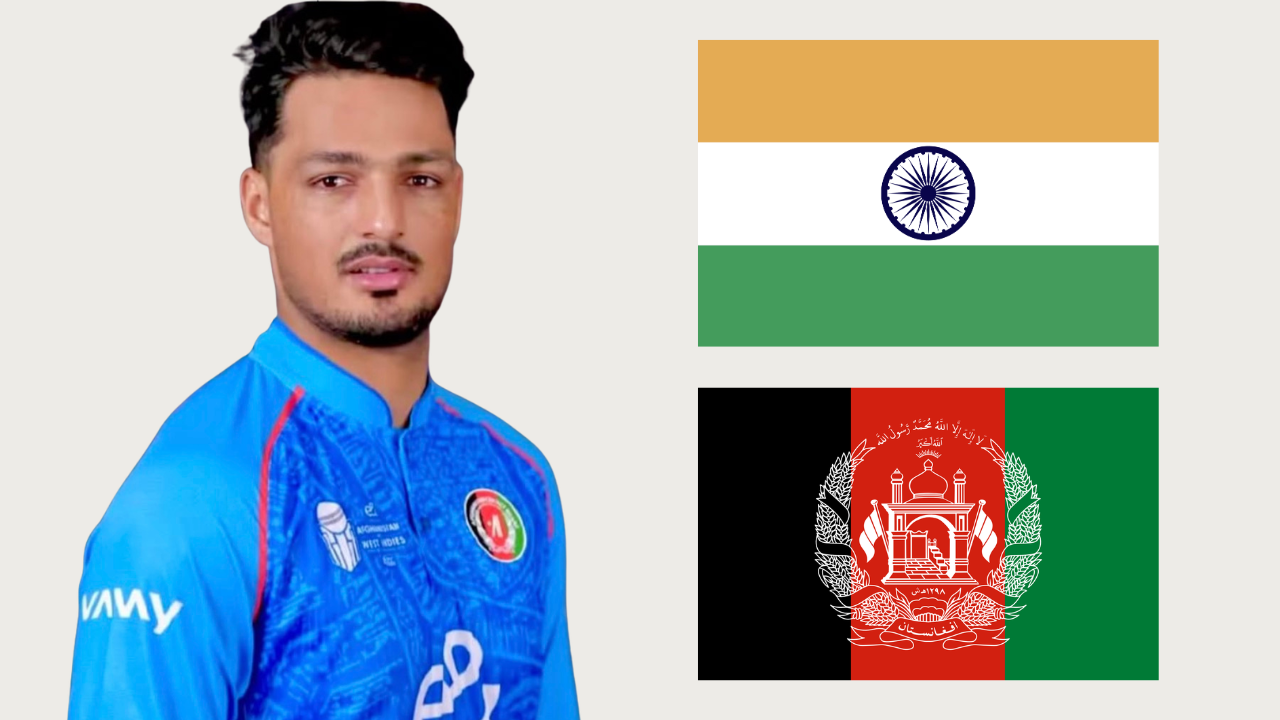
A major airstrike in Kabul has triggered an emotional appeal from within the cricketing world, as Afghanistan’s rising spinner Allah Mohammad Ghazanfar called on India and the international community to step in. Speaking to CNN-News18, Ghazanfar urged diplomatic engagement after an attack that has left hundreds dead and intensified already fragile regional dynamics.
The strike, which hit a major addiction treatment facility in the Afghan capital, reportedly killed close to 400 people and injured hundreds more. The scale of destruction and the nature of the target have drawn widespread condemnation, both politically and across the global cricket community.
India appeal takes centre stage amid rising tensions
At the heart of Ghazanfar’s response was a direct appeal to India, reflecting both urgency and the broader geopolitical weight of the situation. “India is our close friend. We want to engage with them, to talk about these issues, so that things like this don’t happen. This is our request to other countries too. This is not good for the people. Right now, the world is going through many challenges, and this is not good for anyone,” he said while speaking to CNN-News18.
The 19-year-old, who was signed by Mumbai Indians for INR 4.80 crore (approx. US$ 515K) in the Indian Premier League, has been part of the league’s global talent pipeline, further strengthening his connection to India’s cricket ecosystem.
Civilian infrastructure destruction fuels anger
According to the Afghan government, the attack struck a large rehabilitation centre in Kabul that catered to thousands of patients, many from economically vulnerable backgrounds. The facility, with a capacity of around 2,000 beds, was heavily damaged, with fires breaking out and emergency teams scrambling to recover survivors.
Condemning the nature of the strike, Ghazanfar highlighted the vulnerability of those affected. “The people there don’t have money for treatment. And now, they’ve targeted that place as well; they’ve martyred those people. This is not acceptable to the people of Afghanistan,” he said.
Afghan authorities attributed the strike to Pakistan, while Pakistan stated the operation was aimed at militant targets rather than civilians.
Strong reaction over targeting of ordinary people
Ghazanfar’s comments also reflected growing frustration over the impact on civilians, as tensions between the two countries continue to escalate.
“I don’t know what they’re trying to prove. They come and target ordinary people, and we simply cannot accept this. Afghanistan cannot accept this,” he said.
His remarks underscore a broader sentiment within Afghanistan, where civilian casualties have intensified anger and calls for accountability.
Warning issued as tensions risk further escalation
Beyond immediate condemnation, Ghazanfar also pointed to the historical context of conflict in the region, warning of potential consequences if the situation deteriorates further.
“Everyone knows Afghanistan’s history. If that history repeats itself, it will be very bad for Pakistan,” he added.
Cricket community voices concern over humanitarian impact
The incident has also resonated across Afghanistan’s cricketing fraternity. Rashid Khan shared his reaction on social media, expressing deep sorrow over the loss of civilian lives and raising concerns about attacks on non-military infrastructure.
Veteran all-rounder Mohammad Nabi also posted his response online, describing the incident as a devastating blow to a facility that represented hope and recovery for many.
Crisis deepens as regional and global attention grows
The strike comes amid worsening cross-border tensions, with both sides exchanging accusations over security threats. Reports also indicated continued military activity in eastern Afghanistan, including rocket fire in Kunar province over a 24-hour period.
As the situation unfolds, Ghazanfar’s appeal highlights how cricketing voices are increasingly intersecting with global issues, amplifying calls for restraint and international intervention during one of the region’s most volatile moments.