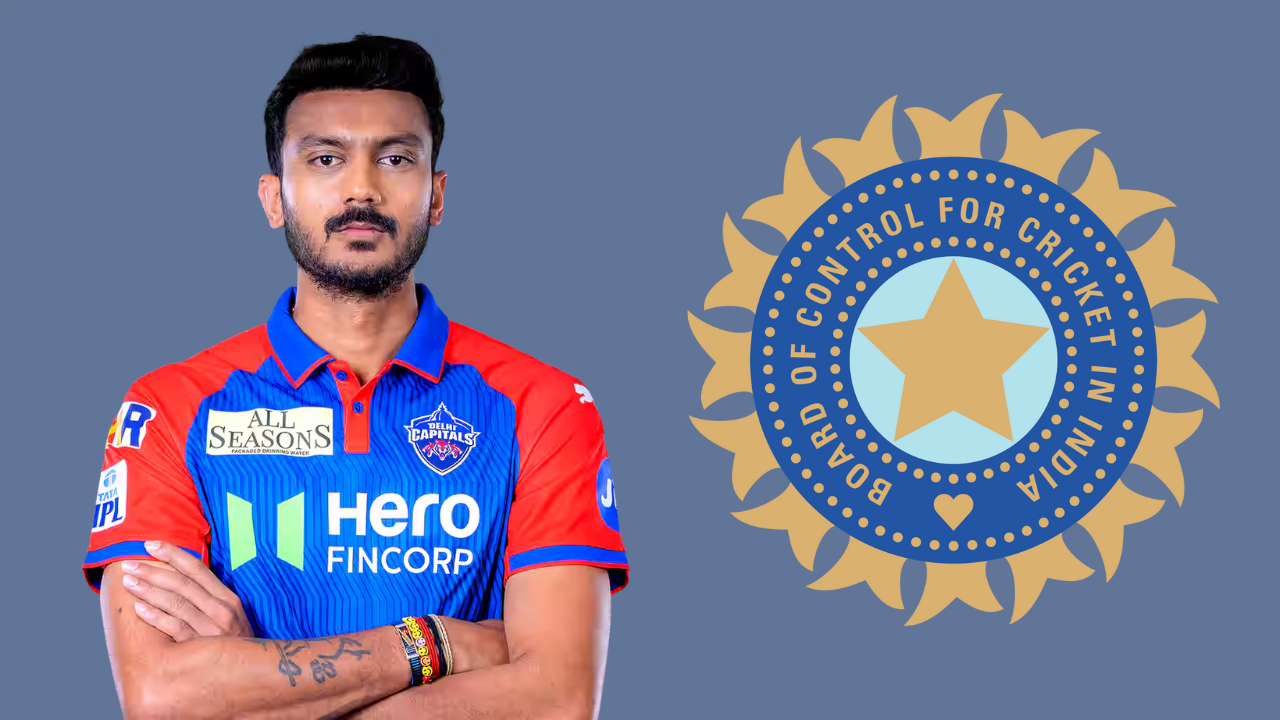
Leading Delhi, leading differently
As captain of the Delhi Capitals during the 2025 IPL season, Axar Patel knows firsthand what it takes to lead a franchise in the spotlight. But in a recent conversation with The Indian Express, the India allrounder addressed what he sees as a deeply flawed and underdiscussed assumption in Indian cricket — that leadership is defined by how polished a player appears or how fluent they are in English.
The stereotype, he argues, has nothing to do with what actually matters in cricket leadership: understanding players and helping them deliver on the field.
“People start saying, ‘Oh, he’s not captaincy material, he doesn’t speak English. How will he talk?’ Arre! Captain’s work is not to just talk. Captain’s work is to know the player and see how to get the best out of him – what’s his strength, what’s his weakness,” Axar told The Indian Express.
Language, image, and the flawed public perception
For Axar, the problem lies in a perception shaped more by media and social commentary than by the demands of leadership itself. Public opinion, he suggests, has been skewed by an overemphasis on communication style and personality traits — criteria that often exclude capable leaders.
“If we say ‘personality chahiye, acha English bolna chahiye’ that’s a perception made by the public based on their own thinking. I captained Delhi Capitals this year and got a lot of praise. I think if more of this happens, more will change in the coming time,” he said.
His concern is that these shallow benchmarks overshadow real leadership qualities — especially in a cricketing culture where public opinion often turns into narrative.
“It’s all about what you see and what the media is showing. How active you are on social media, how you talk – people judge you on all that. Everyone likes to give opinions these days he’s capable, he’s not capable, make him captain, don’t make him captain,” Axar remarked.
Cricketers know the real value of a player
Despite the noise from the outside, Axar remains focused on what matters most: respect from within the dressing room. For him, it’s the judgment of those involved in the game that should carry weight — not commentary from outside.
“People in cricket know what’s the value of a player. At the end of the day, that’s what matters – what the people around you think. So yeah, just do your job,” he said.
He further stressed the role of a captain as someone who reads the team, not the script.
“Captain knows that I have this player and what I need to do to get work out of him,” Axar said.
And he believes the language-based assumptions need to change altogether.
“It’s important that people have to change their personal thinking. Stop thinking ‘oh his personality is good, he can speak English – so he is captain material’. One thing about captaincy is there should be no language barrier,” he explained.
Balancing instinct, fun, and responsibility
Reflecting on his own leadership style, Axar described a blend of instinct, inclusiveness, and accountability. His focus is on maintaining a healthy team environment while ensuring that discipline and results remain central.
“I want to keep the team environment friendly and lively, but no one should take things for granted,” he said.
“There’s a line — what needs to be done to win the game needs to be done first. Then we should have fun. It’s working at the moment. I believe that if you’re having fun, you do better,” he added.
While he admits he is still developing as a leader, Axar says he values self-trust over dependence on external guidance.
“I am not too experienced as a captain but it’s not like I am turning to other people for help. Of course, I listen to everyone, but I back myself for the decisions I am making,” he said. “Because you need to know what you are doing right and what you are doing wrong.”
With India’s two-Test series against South Africa beginning November 14, Axar is expected to feature in the playing XI. But beyond the match, his comments have sparked a broader conversation — not just about who leads, but what truly makes a leader.