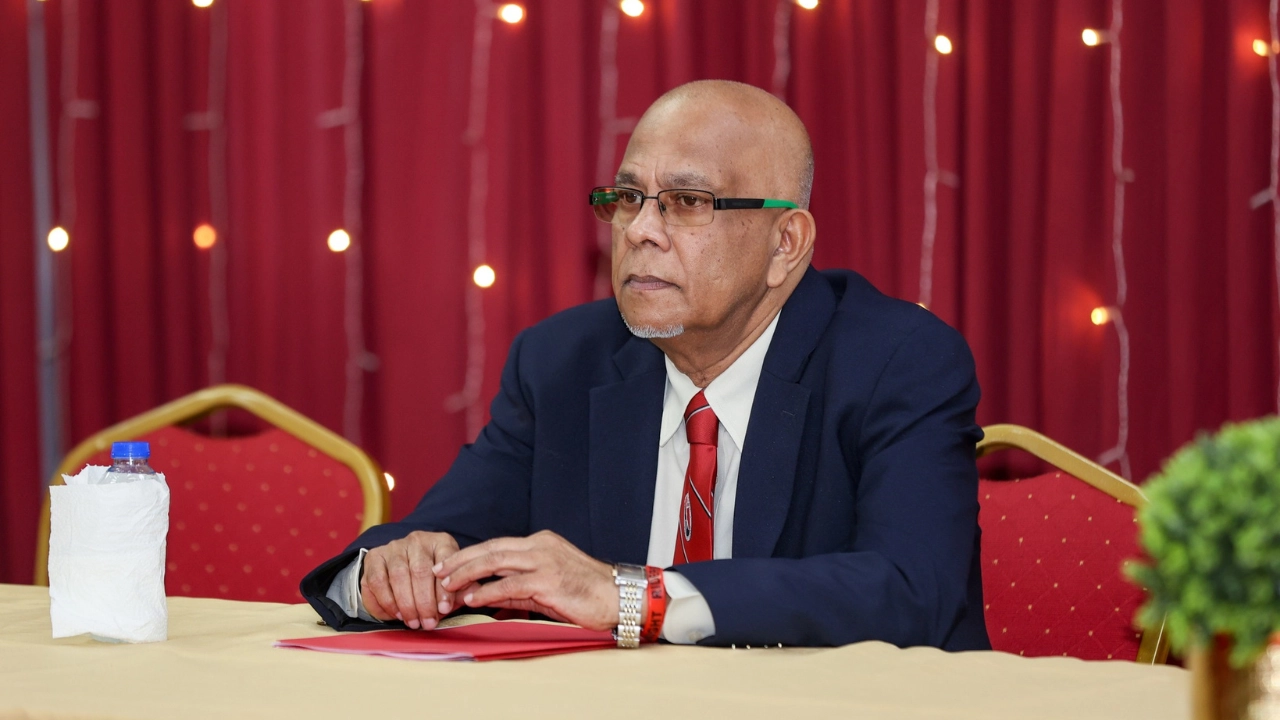
Bassarath to extend record leadership run
Azim Bassarath is poised to extend his unprecedented tenure as president of the Trinidad and Tobago Cricket Board, with no challengers stepping forward for the top post ahead of the organization’s upcoming elections.
According to the Trinidad and Tobago Guardian, nominations for the new 11-member executive closed last Friday, confirming Bassarath as the sole candidate for president. Having first assumed office in 2009 after unseating Deryck Murray, he is now set to begin his sixth consecutive four-year term at the helm when elections take place on October 25.
Key executive positions and nominees
Alongside Bassarath’s uncontested reappointment, several other senior roles will also be filled without opposition. Altaf Baksh will serve as first vice-president, while attorney-at-law Henry Chase will assume the position of general secretary.
Competition remains, however, for several other executive roles. The post of second vice-president will be contested between incumbent Kerwin John — who also heads the Tobago Cricket Association — and former national cricketer Rajendra Mangalie.
For third vice-president, Central Zone’s Avinash Suruj will challenge current officeholder Parasram Singh, while TTCB treasurer Stephen Ramkissoon faces opposition from Richard Ramkissoon, owner and coach of the Central Sports Cricket Club.
Six candidates vying for executive member roles
The elections will also determine the selection of five executive members from a field of six nominees. Those in contention include Ann Browne-John, Mitra Ragoonanan, Frank Simmons, Ravi Teeluck, Dr Anand Rampersad, and Sharaz Mohammed.
The successful candidates will join the leadership team for a new four-year term, marking another pivotal moment in the TTCB’s ongoing governance of cricket in Trinidad and Tobago.
Continuity and stability in cricket governance
Bassarath’s continued presidency underscores a period of sustained continuity in local cricket administration. His leadership, now entering its sixth successive cycle, highlights his entrenched influence within the sport’s governance structure and signals an emphasis on organizational stability as Trinidad and Tobago cricket navigates future development initiatives.