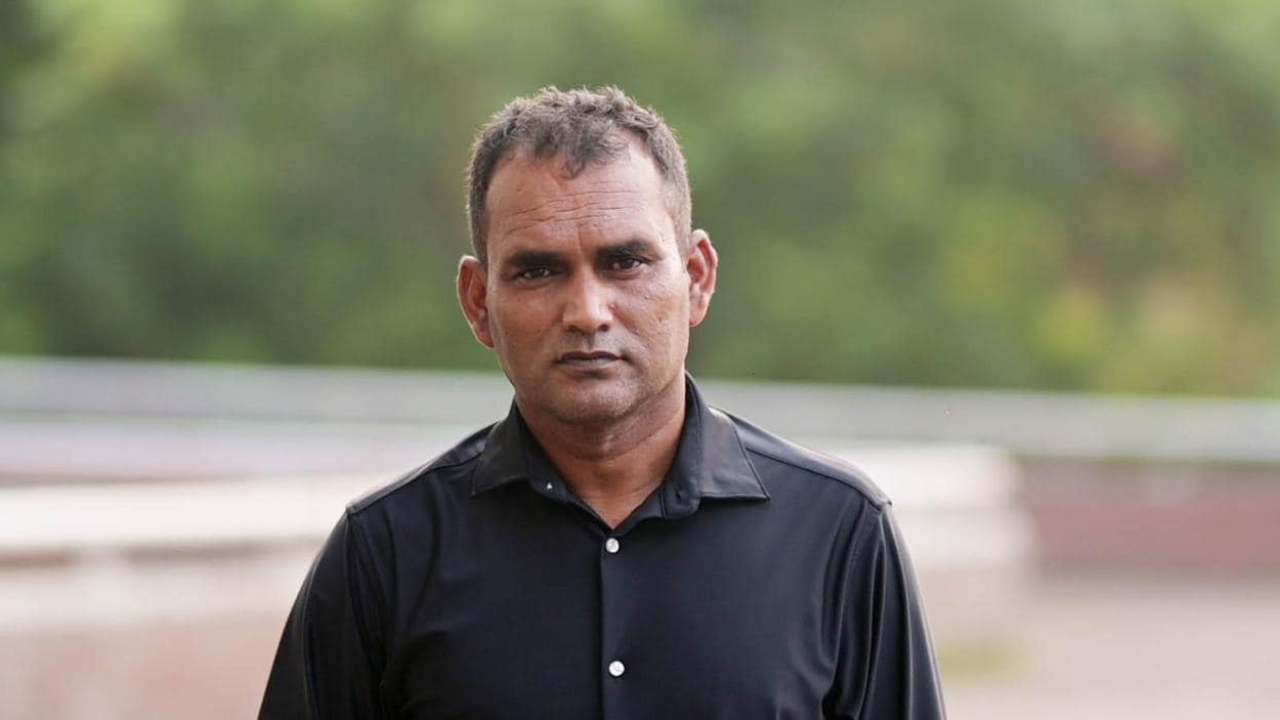
The fallout from Bangladesh’s absence at the ICC Men’s T20 World Cup 2026 has escalated, with assistant coach Mohammad Salahuddin publicly challenging former sports advisor Asif Nazrul’s shifting explanation of how the decision was made.
“He told such blatant lies,” Mohammad Salahuddin told reporters, reacting to Nazrul’s later claim that the decision to boycott the tournament had been taken by the Bangladesh Cricket Board and the players.
Bangladesh national cricket team assistant coach Mohammad Salahuddin calls ex-sports advisor Asif Nazrul a 'liar' for changing T20 World Cup stance. pic.twitter.com/rLto1RdC8Q
— Debasis Sen (@debasissen) February 20, 2026
Salahuddin suggested the reversal was difficult to reconcile, particularly given Nazrul’s academic stature. “He is a teacher, and a teacher at Dhaka University. A person from the highest educational institution of my country saying such lies – we can’t accept this. How can we accept this? He said one thing earlier and later took a U-turn,” he said.
Drawing from his own background, the assistant coach added: “I am a teacher myself, and teachers generally lie a bit less. That he would say such lies so openly – I honestly can’t even imagine it. How will I even show my face in front of the boys? He took such a U-turn.”
Government call or board decision?
When Bangladesh opted not to travel after the ICC rejected its request to shift group-stage matches out of India, Nazrul had initially indicated that the decision was taken at the government level. However, shortly before leaving office, he stated that the call had been made by the BCB and the cricketers themselves — a shift that now sits at the centre of the dispute.
The change in position has prompted questions within Bangladesh’s cricketing circles about transparency and clarity during a high-stakes international tournament.
Meeting with players under scrutiny
Adding another dimension to the episode, Cricbuzz had earlier reported that Nazrul met with the national cricketers prior to the final decision and imposed his position rather than actively seeking their views on World Cup participation.
For Salahuddin, the issue goes beyond administrative disagreement and extends to the emotional cost on the players.
“Look, when a boy goes to play a World Cup, he carries his dream – his 27-year-old dream – with him. You destroy that dream in one second. Fine, if it’s a country’s decision taken for national reasons, they will sacrifice for the country. But if you talk about loss, I will talk only about personal loss. Personally, you completely ended a boy’s dream. I know that two of my players went numb for days, completely lost,” he said.
He emphasised that players are willing to prioritise national interest but questioned whether the situation had been handled with adequate communication.
“For the sake of the country, I’m also ready to sacrifice many things, and the boys are ready too. But did I put my hand on a boy’s head and say, ‘Son, you couldn’t play because of this’? If things had been communicated properly, I think many things could have been accepted,” he added.
Accountability debate continues
With the ICC Men’s T20 World Cup 2026 proceeding without Bangladesh, the episode continues to generate debate around governance, consultation and messaging within the country’s cricket administration.
Salahuddin’s remarks have now placed the focus squarely on decision-making transparency — and on how such high-impact calls are communicated to the players most directly affected.