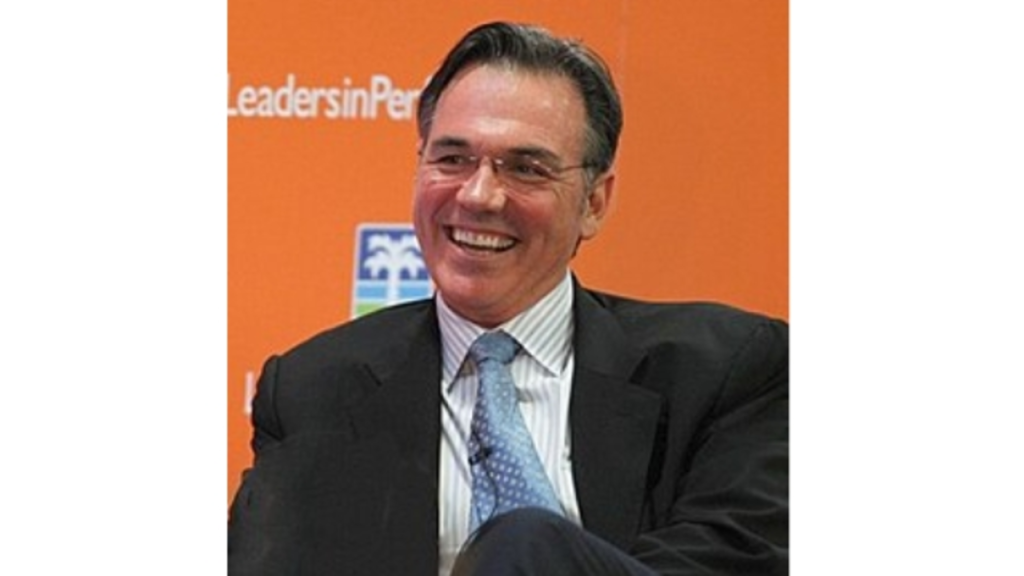
Few figures in modern sports have reshaped the industry quite like Billy Beane. The former Oakland A’s Executive Vice President and General Manager, and the man behind Moneyball, changed how professional teams evaluate players, driving a data revolution that reverberated across leagues and around the world.
Named by Fortune as one of the 100 Greatest Living Business Minds—not just in sports, but in business globally—Beane’s influence spans far beyond the baseball diamond.
But what most of the cricket world didn’t know—until now—is that Beane has been quietly watching, learning, and investing in the game of cricket all these years.
In an exclusive interview with cricexec, as the 2025 Major League Cricket (MLC) season wrapped up its historic Oakland leg, Beane opened up about his long standing curiosity about cricket, his investment in the Rajasthan Royals, cricket at the Coliseum, and his belief that the sport has serious potential in the U.S. market.
From baseball to global curiosity
Beane’s early career and success as a baseball front office executive taught him the value of data-driven and analytical thinking—something he quickly realized was underused or missing in many other traditional sports. He first explored the application of analytics in international football, but it wasn’t long before cricket piqued his interest.
“It started really with football (i.e. soccer) internationally. And then it gravitated toward cricket… I’m very humble with my understanding of cricket relative to the experts – but my interest came from the opportunity.”
He recognized cultural and structural similarities between baseball and cricket that made the crossover of ideas—and analytics—particularly compelling.
“I saw an opportunity in the use of data and analytics and objective decision making, similar to what happened in baseball.”
The deeper he looked, the more familiar the sport began to feel. Beane realized that the underlying frameworks of performance, competition, and tradition in cricket mirrored what he had seen in baseball.
“A lot of the analytics that we were using 15 to 20 years ago, you could just basically overlay them on the cricket at that time. There were just so many similarities.”
Yet another attraction to cricket came from Beane’s respect for global sports fans:
“It was just like with soccer. Cricket is the second most popular sport in the world. And always, my thought is – we may not follow it here, but the rest of the world can’t be wrong.”
The Moneyball effect
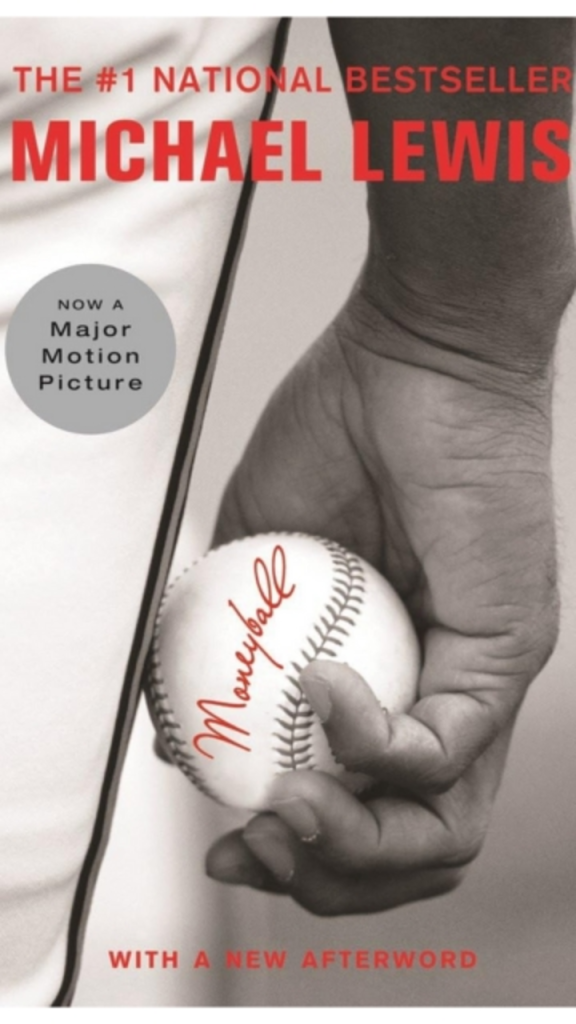
Beane’s influence as the architect of Moneyball extended beyond baseball and into cricket even at the very start, when Michael Lewis published the bestselling book in 2003.
Almost right away, Beane heard from major figures in the New Zealand cricket community.
“The first person from another sport that contacted me was (former Kiwi International) Bruce Blair,” who was coaching in New Zealand at the time. “We’ve kept in touch for over 20 years.”
“Bruce basically said in his email, ‘listen, you know, we’re a small country. We need to find a different way to approach how we put our teams together, how we play the matches.’”
Blair drew a parallel between New Zealand and the Oakland A’s, in that both had to be resourceful and strategic to overcome resource limitations. What followed was a collaborative relationship, with Blair even flying his staff to the U.S. to learn from Beane’s system – just six months after Moneyball was released.
Beane’s understanding of cricket was also shaped by conversations and visits from other international cricket figures, including former New Zealand pacer Shane Bond.
“Shane was visiting in the off season and he wanted to come over and see some A’s games. We were playing the Yankees – it doesn’t get any better than that. I met Shane and introduced him to some of the players. That was really when my mind started turning, even though at that point I knew nothing about the rules.”
But the more Beane subsequently explored the sport, the more he saw similarities
“Cricket has its own words and language to describe events, just like baseball… and the culture of the sport is very similar to baseball. And I also found the athletes very similar as well. Even though baseball was my area of expertise, I found the number of parallels between cricket and baseball remarkable.”
Investing in the game

Beane’s intellectual curiosity eventually turned into direct involvement as he became an investor in the Rajasthan Royals, first as an individual, and then later in partnership with RedBird Capital Partners (which acquired a 15% stake in the team in 2021) – underscoring his belief in cricket’s long-term potential.
On his initial involvement with the Royals, Beane said:
“It was mainly as an investment: as an individual and then with the partnership. That was my first professional connection to cricket.”
Beane quickly became more than just a passive investor. He began following the IPL regularly:
“I’m a Willow subscriber. I added it to my cable package – it’s perfect for me. I’m an early riser, so I can get up and watch IPL matches from my home office in California.”
This consistent exposure deepened his appreciation for the sport. He even traveled to India, spending time with the team and the Royals staff. “I saw a heartbreaking loss to the Mumbai Indians after giving up a big lead,” Beane recalled, which also solidified his emotional bond with the team.
Major League Cricket in the Bay Area
This year’s MLC season featured a milestone moment: professional cricket at the Oakland Coliseum. For Beane, whose career is inextricably tied to that stadium (even though the A’s have since moved out), the sight of cricket on his old turf was deeply moving.
“It was really surreal to turn on the TV, to see the backdrop of my whole career, the stadium, the wall where I saw great players hit home runs – Giambi, Tejada, Chavez. Most of my professional career was spent there, and to see the cricket there now… I was very happy.”
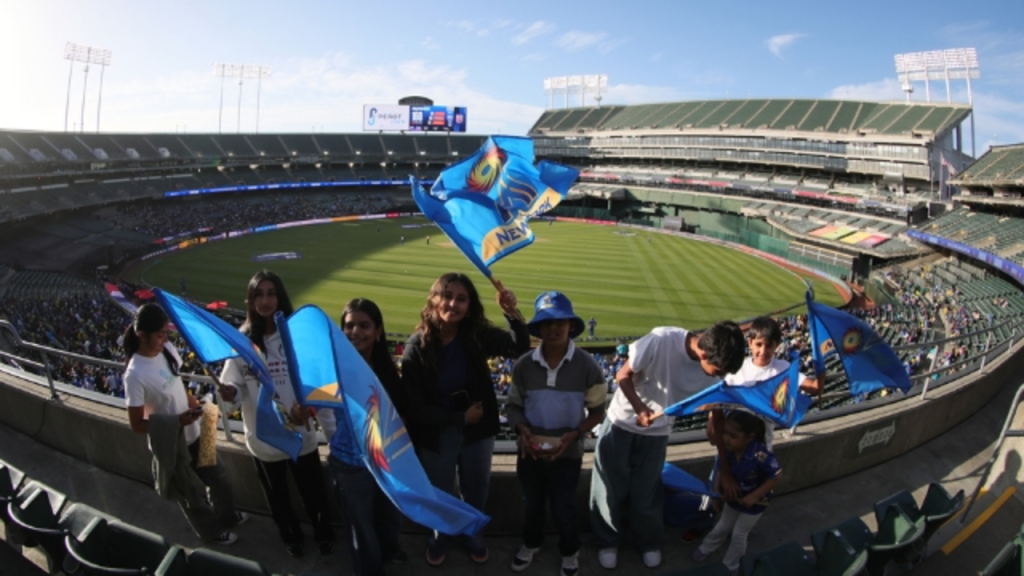
He added that the physical dimensions of the Coliseum made it uniquely suited to host cricket.
“Not all baseball stadiums – particularly with the way they’re built now with the intimacy between the stands and field – are suitable for cricket. The Coliseum is one of the few that actually lends itself to be able to play a cricket match because of the size and the space that they have on the pitch.”
He was also excited to see the fan turnout for the Oakland MLC Matches:
“Relative to expectation, the attendance was actually good. That was great to see and gave me hope – as my prediction years ago was that this sport was going to grow in the U.S.”
Why cricket can work in the U.S.
According to Beane, the future of cricket in America rests not on changing the game but exposing more people to it—and letting them experience it through formats like T20.
“I think T20 is really going to help spread cricket in the United States, mainly because of the similarities to baseball. From a media standpoint, obviously it’s just so similar in terms of length and pace as Major League Baseball games.”
Beane challenges the conventional wisdom about growing a sport in the U.S., and believes it is even possible without widespread youth participation.
“I think the belief in sports has been that you need a generation of young kids to play a sport for it to grow. I don’t necessarily agree with that, given the internet and access to world sports it provides. I’ve never played a minute of soccer in my entire life, and I’m a consumer of it internationally. Now cricket’s the same way for me. Never having played, I will subscribe to cable packages that broadcast my cricket matches. I don’t necessarily think you have to play to become a fan.”
That said, he also believes the emergence of homegrown American talent will accelerate interest in the sport.
“There will be a day when a young American that grew up in the East Bay becomes a global cricket star. Like Landon Donovan or Christian Pulisic did with soccer,” Beane says, noting what he sees locally. “In the East Bay, the parks that were populated with baseball games are now more populated with cricket matches on the weekends, and batting cages are now being used for cricket practice.”
What it will take
Beane doesn’t pretend that cricket’s path in the U.S. will be easy—but he’s confident in its potential and in the role the MLC will play in its growth.
“Just having a domestic league itself is the start. MLS and soccer started that way.It will take a while, certainly, but I’m sort of bullish on where it’s going.
He also emphasized the power of exposure for the sport, especially through marquee international clashes.
“When South Africa plays Australia, when India plays Pakistan, those big world matches will grow interest because, again, it’s all about exposure.”
And for those wondering about long-form cricket’s place in the U.S.—Beane has a surprising prediction.
“I think in my lifetime we will be broadcasting a lot of big cricket matches and eventually even test cricket, which I know is a little more of a commitment for people.”
Bringing it back to his roots, Beane feels that the similarities between cricket and America’s national pastime will help cricket attract not only players but fans as well:
“The other thing about cricket and baseball, the skill sets for the athletes are very, very similar. I would expect that cricket will continue to grow as people become more aware of it… The elements that make American sports popular are there with cricket. So I think it’s inevitable that it’s going to happen.”
An icon’s endorsement
Billy Beane doesn’t just see cricket as an intriguing sport—he sees it as a global opportunity with American potential. His journey from the front office in Oakland to the boardroom in Jaipur reflects that conviction.
As one of the most visionary executives in modern sport, Beane’s belief in cricket—and in its capacity to thrive in the United States—should serve as a signal to sports investors, media networks, and fans alike.
The man who helped revolutionize baseball believes that cricket could be the next big thing on American soil. And he’s watching closely from California.