
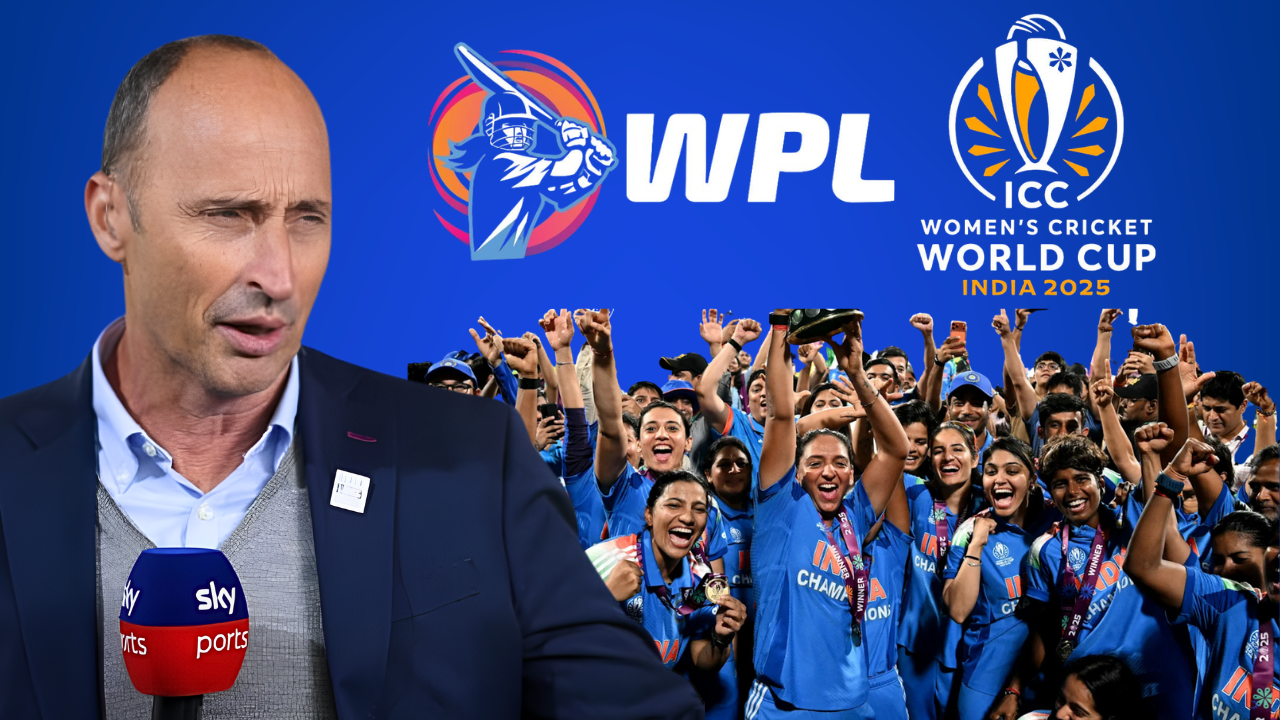
India’s rise in women’s cricket is beginning to produce the kind of selection challenges traditionally associated with the country’s men’s team, with a growing pool of players competing for opportunities at the highest level. Former England Captain Nasser Hussain said on Thursday while speaking to reporters on JioStar Media Day that recent developments in the women’s game have created momentum that could reshape the sport’s future in India.
“The biggest thing for me is depth. We’re trying to work out (the best combination) in that squad now, and obviously they’re missing two (players) as well because of injuries. Two very good players, Amanjot (Kaur) in particular,” Hussain said.
Competition for places becoming a strength
The increased number of players pushing for selection has changed the dynamic within the national setup. Rather than depending on a small core of established stars, India now finds itself with multiple options across positions, creating greater competition and raising performance standards.
Discussing the broader shift taking place in the women’s game, Hussain noted, “It’s unstoppable now in the women’s, that combination of the WPL and the 50-overs World Cup win and the scenes at the end of that, now it’s an unstoppable force in Indian cricket and there will be more depth to the players coming through.”
India’s Women’s ODI World Cup triumph in 2025 and the continued growth of the Women’s Premier League have helped accelerate interest in the sport, while also providing more players with exposure to elite-level competition.
A changing talent landscape
Hussain believes the current environment differs significantly from earlier periods when India’s women’s team depended heavily on a small group of senior performers. He pointed to the broader range of players now competing for opportunities and the increased pressure on established stars to retain their places.
Reflecting on that evolution, he said, “Now you’re looking at — and that’s good for Indian cricket because it means that your superstars in the team constantly have to perform because — as in the men’s, I hate going to the men’s because we’re talking women’s, but (a Vaibhav) Sooryavanshi comes along and those that (have) got places, someone has to be left out.”
Financial opportunities driving participation
Beyond on-field results, Hussain highlighted the growing economic opportunities available within the women’s game. Expanding franchise leagues and professional contracts are creating stronger incentives for young athletes to pursue cricket as a career, while increasing the attractiveness of the sport for families considering long-term pathways.
The growth of competitions such as the WPL, The Hundred and the Women’s Big Bash League has also increased earning opportunities for players across multiple markets. Hussain suggested that the professionalisation of the women’s game is helping attract participants who may previously have chosen different career paths.
The next phase of growth
According to Hussain, one of the most significant long-term effects could be the emergence of talent from regions that have historically not been major contributors to the elite game.
Looking ahead, he said, “We’ve seen it in men’s Indian cricket, it (the talent) used to come from Bombay or Delhi or whatever. Now it is coming from places and that’s the same thing that will happen in the women’s.”
The former England Captain also pointed to the transformative impact that new professional contracts are having on players entering the sport, arguing that stronger financial foundations are helping create a larger and more sustainable talent pool.
With the Women’s Premier League continuing to expand and India’s World Cup success providing fresh visibility for the sport, Hussain sees a future in which a broader talent base and stronger competition for places continue to raise the standard of women’s cricket in the country.


