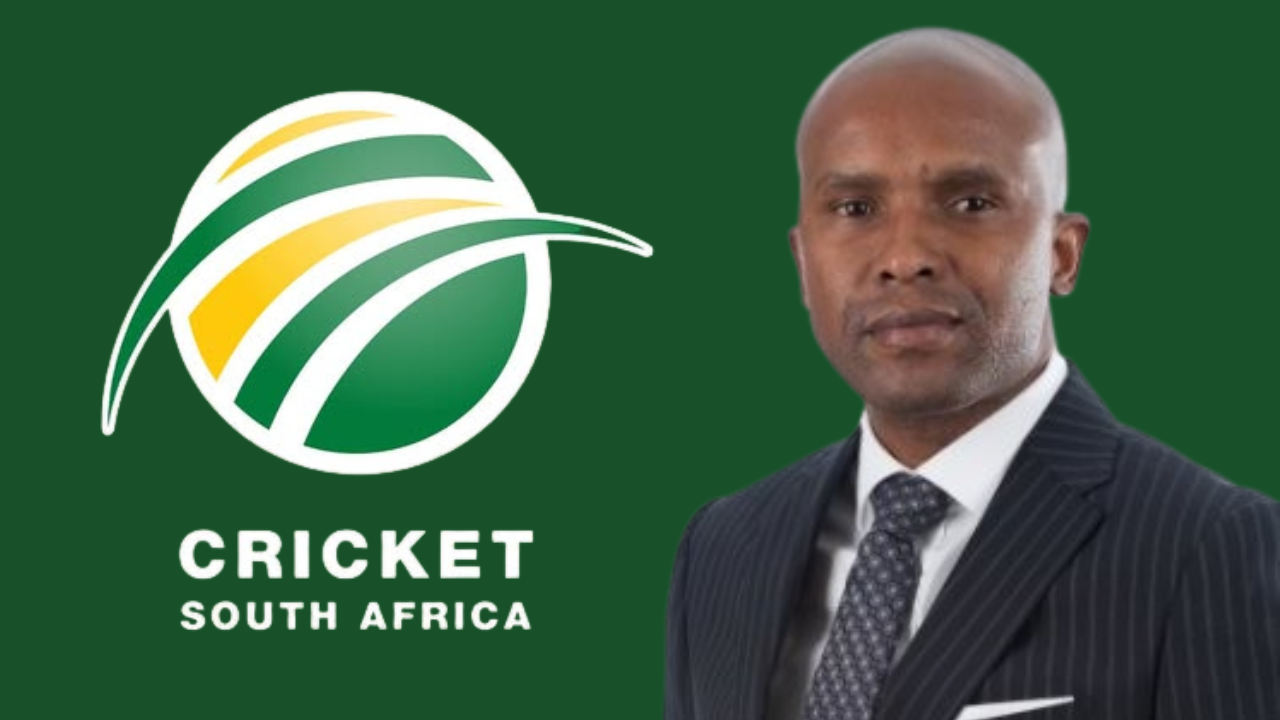
Cricket South Africa is pressing ahead with plans to secure a broadcast partner for England’s upcoming tour despite the withdrawal of Sky Sports, with CSA CEO Pholetsi Moseki outlining confidence in ongoing negotiations while speaking to SportsBoom.co.za. The development comes as the global cricket rights market continues to evolve, with, as previously reported by cricexec, England’s overseas tours facing increasing difficulty in attracting traditional broadcasters in the UK.
Sky Sports exit ends long-standing relationship
The upcoming tour, scheduled between December 17 and January 15, will feature three Tests and three One-Day Internationals, marking a key bilateral series in the international calendar. The Test leg begins at the Wanderers before the Boxing Day fixture returns at SuperSport Park in Centurion, followed by the New Year Test at Newlands in Cape Town.
Moseki said, “This is not a surprise. We’re definitely aware Sky, in the last few years has held back from buying England’s outbound tours.” He added, “So, there was no surprise. Sky hasn’t bought the games in India when England was touring there or even Australia for the Ashes. So it’s been like that for the last year to eight months, where Sky basically stopped buying England outbound tours.”
The decision brings an end to a three-decade association between Sky Sports and England’s tours of South Africa, highlighting a notable shift in the traditional broadcast landscape.
Changing market dynamics reshape rights landscape
Moseki pointed to broader changes across the media ecosystem, stating, “It is something that is not really a shock. Even here at home with Canal+ [buying] SuperSport, the landscape is totally changing in the broadcast space.” He added, “The market is in flux, and it’s going to be like that probably for the next few years. It’s really about how to actually navigate it. We are seeing that as a perfect example, even back home.”
These shifts reflect consolidation among major broadcasters and evolving commercial strategies that are influencing how sports rights are acquired and valued globally.
Reduced competition impacts commercial outcomes
The absence of key bidders has implications for rights valuation, with fewer participants in negotiations affecting potential returns. Moseki said, “It’s never a good thing when you have less competition. When there’s less competition, it does impact the offers that are there.” He added, “What values we get, we don’t know. But the nature of economics is that if there are fewer players in the market, then it might depress the values we get for the rights.”
With fewer broadcasters competing for international cricket properties, governing bodies are increasingly having to adjust expectations around deal structures and revenue outcomes.
CSA confident of securing partner
Despite the challenges, Cricket South Africa maintains that a deal will be finalised ahead of England’s arrival. Moseki said, “So, in that sense, we just have to maximise whatever we sell it for, understanding there are fewer players in the market.” He added, “We’re not really worried about it, to be honest. There’s still quite a long time before the English come here, so we’re not really concerned at all. Our guys are still negotiating. We’ll get a partner.” He continued, “But I’m saying we’re not concerned we won’t find someone to televise our games. In that sense, we know we’ll find someone.”
The extended lead time before the series provides CSA with flexibility to explore options and secure a viable broadcast arrangement.
Industry-wide uncertainty continues
Moseki also acknowledged the broader implications of shifting broadcaster strategies across sports. He said, “That is definitely something all sporting codes would be worried about. But it is what it is. There’s nothing you can do about that.” He added, “When these big players are deciding to merge or not to take rights, you can’t do anything.”
These comments underline the limited influence rights holders have over decisions made by major media companies in an increasingly consolidated market.
Existing deals provide short-term buffer
CSA continues to operate under its current domestic broadcast arrangement, providing some stability as the organisation navigates ongoing changes. Moseki said, “Fortunately, we still have more than a year with SuperSport. So, we’ll see when that one ends what the implications are of all these changes that are happening everywhere.”
With negotiations ongoing and market conditions continuing to shift, the outcome of CSA’s next broadcast deal will serve as a key indicator of how cricket boards adapt to a rapidly changing media environment.