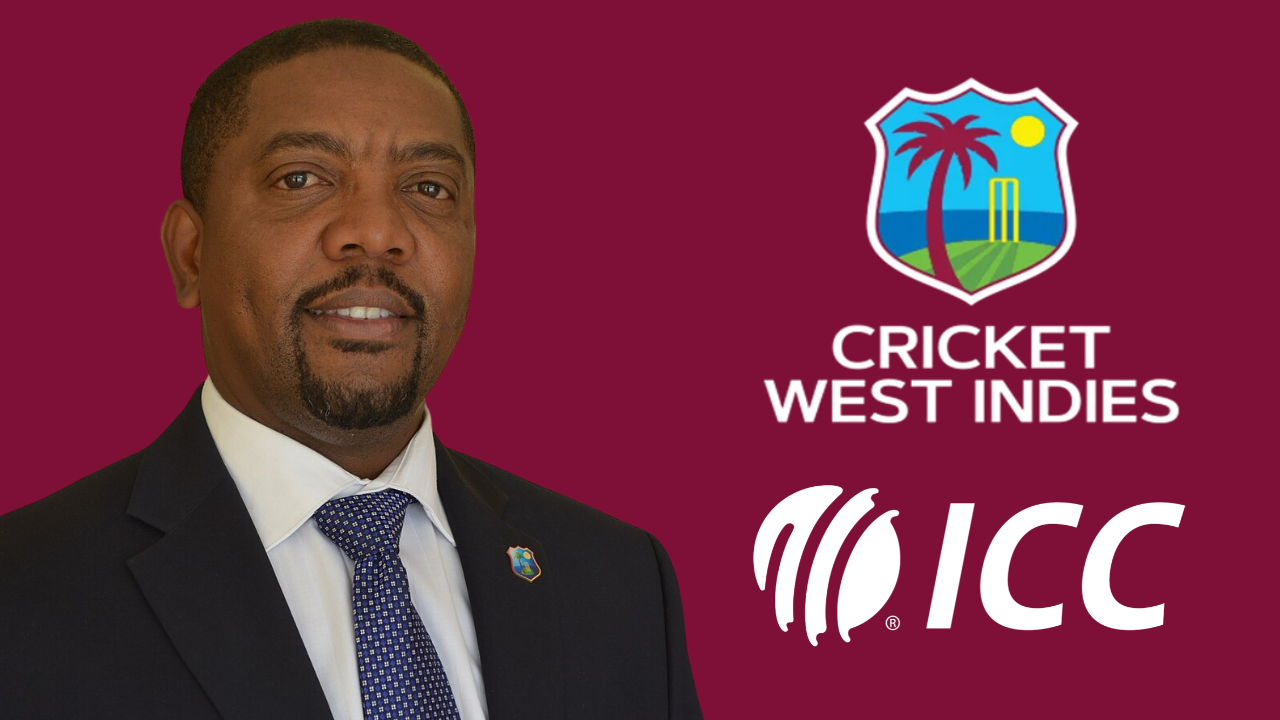
CWI’s belt-tightening measures
As previously reported by cricexec, CWI has cut the retainer fees of its contracted international players by 25 per cent, shortened the contracts of franchise players to seven months and paused the regional Men’s Super50 and the Women’s T20 Blaze. The two competitions were important stepping stones, and their absence leaves players with fewer opportunities to build their game at home. The measures were announced because of the board’s cash-flow problems.
Why recovery looks harder this time
The ICC agreed to a US$16 million loan facility for CWI in July, available in three tranches over the following year, with repayment terms and conditions attached. Cameron pointed out that help of this kind from the world body is not new and has been offered multiple times in the past, but he believes the board’s present position is tougher to repair than before. West Indies will compete in the qualifiers for the 2027 World Cup and have no hosting rights to fall back on, so he could not see where fresh income would come from. He also noted that broadcast revenue is heading downwards. Speaking on the show, he said: “For the first time, the deficits, I’m not sure how you get out of this if you’re not in any of the World Cups; you’re not hosting any of the World Cups, I’m not sure if there is a path to get out of this situation with revenues from broadcasts going down. That’s a huge item that’s now addressing us.” A board without a big sponsorship market, Cameron added, is in trouble.
Reserves and the handling of World Cup surpluses
Cameron, who left office after losing the 2019 election to Ricky Skerritt, linked the board’s current struggles to the way earlier windfalls were used. The profits from hosting the 2007 50-over World Cup and the 2024 T20 World Cup were not used wisely in his view, and he was frank that these were two mistakes he would have changed had he been given the opportunity. Reserves were drained after both tournaments, a position he blames on how the money was handled. He stated: “We had a surplus in 2007 World Cup and we made an error of distributing it to the territories – massive error. And I think we did similar again after the 2024 World Cup in the Caribbean.” Cameron continued: “What we should have done is invested those funds and then spent the revenues from that money. We would still have had reserves today.”
The ICC revenue model under fire
Cameron did not let the world body off the hook, and he again criticised how the ICC distributes its income among members. West Indies held both the Men’s and Women’s T20 world titles in 2016, yet he said the success did not move the board’s revenue needle. The white-ball series currently being played between West Indies and India is, in his view, a clear example of how skewed the arrangement has become. He noted: “India, they are probably going to make north of 100, 200 million dollars on the series and it’s costing West Indies cricket to go and play in India. It just doesn’t make sense…. You can’t run a business where no matter whether you are the best team in the world you can’t improve your revenues. That’s not a business, the model has to change.”
For Cameron, simply asking for assistance is no longer enough, and he wants CWI to take a harder line, including a boycott if the situation called for it. He added: “We need to be more forceful about it, and if it means withdrawing from the cricket I would be as dramatic as that as to say, well India, play yourself if you’re not willing to share the resources with us… That would get everybody understanding how serious the situation is.”
Development pipeline at risk
Cameron fears the cuts will damage the talent pipeline, and he believes the effects will be felt within a few years. He observed: “Once you start cutting back on your development programmes, then where do you find players to go forward? So if you think the cabinet is bare now, wait for three, four years from now.” The qualification tournament for the 2027 World Cup is scheduled for February and March next year, and a visiting England A side will play white-ball matches in the Caribbean in November before the ODI group enters a dedicated camp.