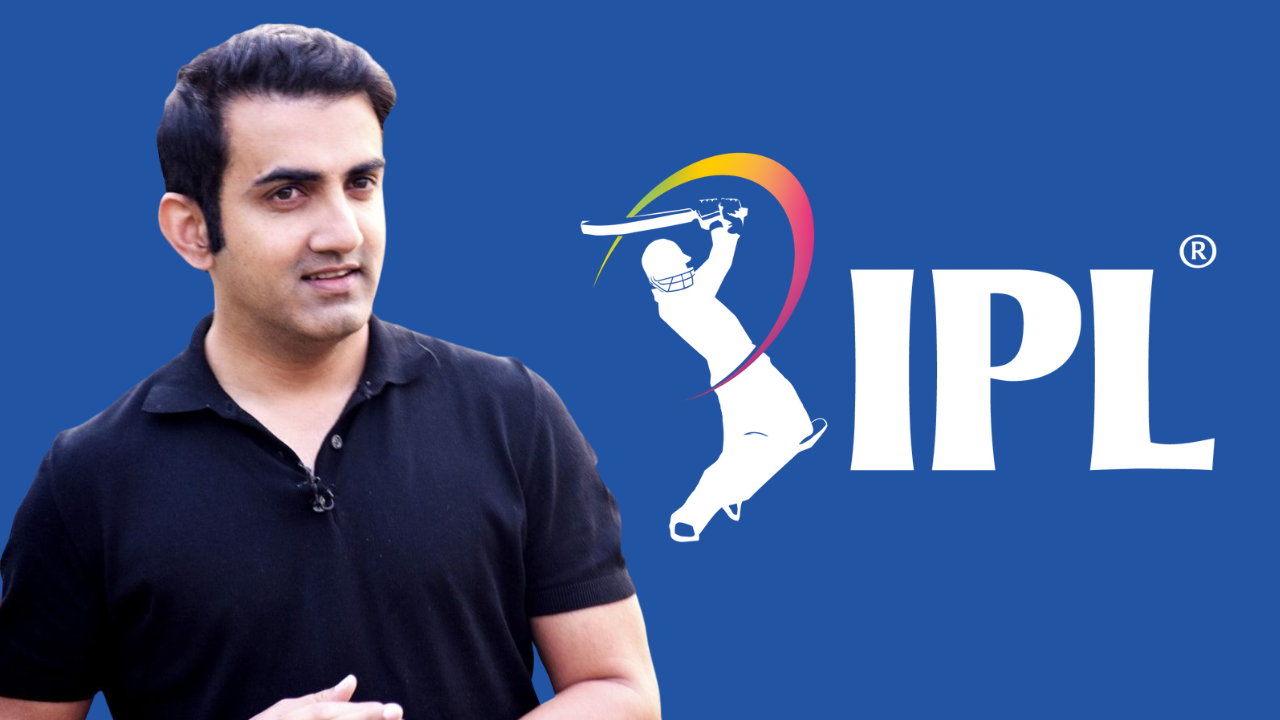
Gambhir addresses Test criticism after India’s ODI series victory
The tension surrounding India’s red-ball struggles erupted into open frustration as Gautam Gambhir addressed the media following his team’s ODI series win over South Africa. Fresh from a dominant nine-wicket victory in Visakhapatnam that sealed a 2-1 result in the 50-over series, Gambhir made it clear he had heard the noise around India’s Test failures — and was ready to respond.
Speaking at the post-match press conference, the India head coach directly confronted the scrutiny surrounding his leadership after a 0-2 whitewash in the Tests.
“Look, there were a lot of talks, no doubt, because the results didn’t go in our favor. But the most surprising thing is that no one – no media, no journal – wrote that we played the first Test match without a captain, who didn’t bat in both innings. And the margin of defeat was 30 runs. Just because I don’t give excuses in press conferences, it doesn’t mean you avoid showing facts to the world or to the country,” Gambhir said.
Missing context and a missing captain
Gambhir emphasised that India were not just beaten but also undermanned during the Test series — notably missing captain Shubman Gill, who was ruled out early in the first Test due to a neck injury.
“When you go through a transition and you lose your captain in that series, who is also the in-form batter in red-ball cricket, who has made around 1000 runs in the last seven Test matches – if you lose your captain against a team as good as this, then obviously it will be difficult to get the results, because there is not much experience in red-ball cricket. And the surprising thing is that no one even talked about this,” he explained.
India’s 408-run loss in the second Test marked their heaviest defeat in the format and capped a sobering home series where pitch conditions, player form, and coaching strategy all came under fire.
“Stay in your domain”: Gambhir responds to split-coaching call
But it wasn’t just journalists or pundits that drew Gambhir’s ire. He aimed pointed criticism at those outside the dressing room who weighed in on cricketing matters — particularly a high-profile suggestion from the IPL world.
“All the discussions about wickets and I don’t know what else. And people who have got nothing to do with cricket have said things. An IPL team owner wrote about split coaching. So this is a surprising thing. It is very important for people to stay in their domain. Because if we don’t go into someone’s domain, then they also don’t have any right to come into our domain,” Gambhir said.
Though he didn’t mention him by name, Gambhir was referring to Delhi Capitals co-owner Parth Jindal, whose public comments stirred debate about the future of India’s coaching structure following the Test defeats.
Parth Jindal’s sharp critique adds fuel to fire
On November 26, shortly after India’s collapse in the second Test, Jindal took to social media to express his frustration — calling for a specialist red-ball coach and taking aim at the team’s composition.
“Not even close, what a complete thrashing at home! Don’t remember seeing our Test side being so weak at home! This is what happens when red-ball specialists are not picked. This team is nowhere near reflective of the deep strength we possess in the red-ball format. Time for India to move to a specialist red-ball coach for Test cricket @BCCI,” Jindal posted on X.
Not even close, what a complete thrashing at home! Don’t remember seeing our test side being so weak at home!!!This is what happens when red ball specialists are not picked. This team is nowhere near reflective of the deep strength we possess in the red ball format. Time for…
— Parth Jindal (@ParthJindal11) November 26, 2025
His comments intensified the discussion around whether Gambhir’s white-ball successes — including an Asia Cup T20 title and a Champions Trophy win — could translate to the longer format, where India have now lost two out of four home Test series under his tenure.
India’s white-ball fightback shifts momentum
The criticism reached a peak after India’s Test losses, but the team bounced back with renewed purpose in the ODI series. A resilient bowling effort, highlighted by four-wicket hauls from Kuldeep Yadav and Prasidh Krishna, laid the platform in the decider. Yashasvi Jaiswal’s maiden ODI century, supported by fluent half-centuries from Rohit Sharma and Virat Kohli, ensured India chased down 271 with ease.
The emphatic win brought a smile back to Gambhir’s face — and a chance to remind critics that his team’s journey, especially in transition, must be seen in totality, not judged solely by isolated setbacks.
As India now shift focus to a five-match T20I series, the question remains: can the lessons from their red-ball defeats spark a course correction — or will the noise around split coaching grow louder in the months ahead?