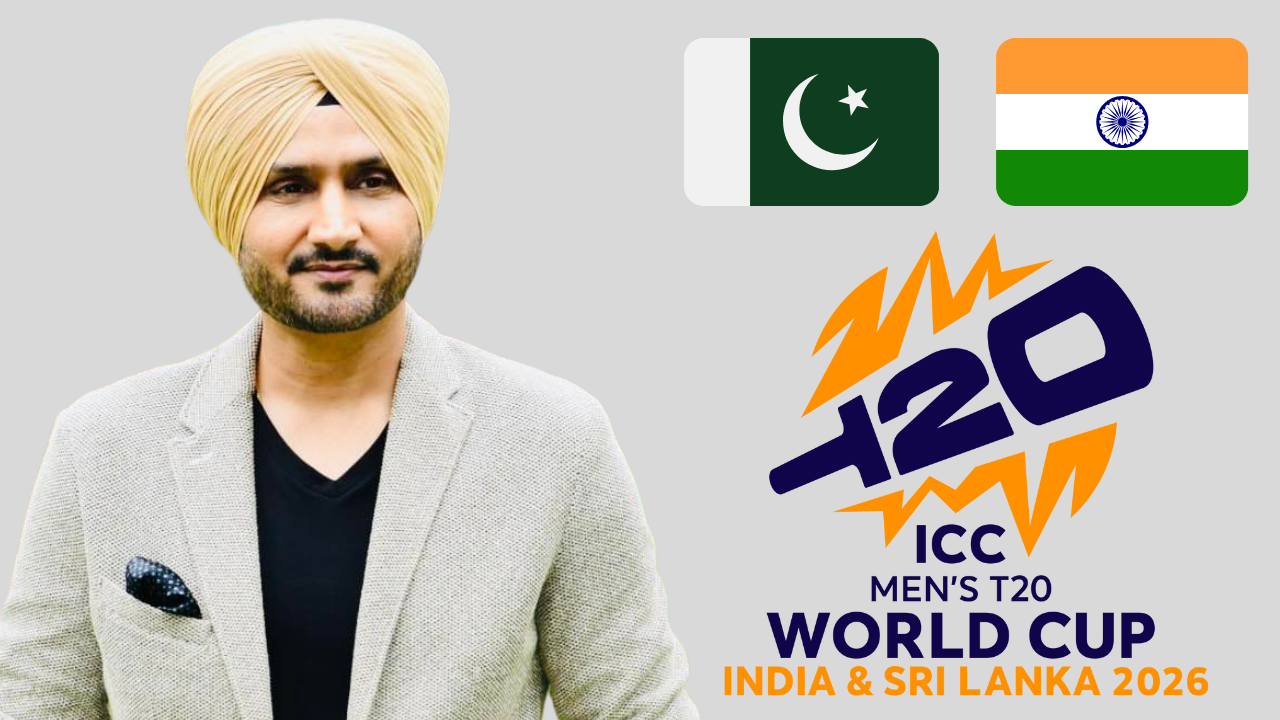
Political posturing fades as Pakistan returns to the field
For weeks, Pakistan made headlines for its strong stand—announcing it would skip the high-voltage February 15 T20 World Cup clash against India in support of Bangladesh. Late on February 9, that narrative had collapsed. In a carefully worded statement, the Government of Pakistan confirmed it had directed the national team to proceed with the match.
“This evening, the Prime Minister held a telephone call with H.E. Anura Kumara Dissanayake. The President of Sri Lanka, during their warm and friendly conversation, recalled that Pakistan and Sri Lanka had always stood shoulder to shoulder, especially during challenging times. The Sri Lankan President requested the Prime Minister to accord serious consideration to resolving the current impasse amicably. In view of the outcomes achieved in multilateral discussions as well as the request of friendly countries, the Government of Pakistan hereby directs the Pakistan National Cricket Team to take the field on February 15, 2026, for its scheduled fixture in the ICC Men’s T20 World Cup,” the government said via official statement.
ISLAMABAD, February 9, 2026.
The Honorable Prime Minister of Pakistan, Mr. Shehbaz Sharif has been formally briefed by the Chairman of the Pakistan Cricket Board (PCB), Mr. Mohsin Naqvi, regarding the outcomes of high-level deliberations held between the PCB, representatives of…
— Government of Pakistan (@GovtofPakistan) February 9, 2026
That decision followed a briefing from PCB Chairman Mohsin Naqvi, who, according to the same statement, “Pakistan Prime Minister Shehbaz Sharif on Monday was formally briefed by the Chairman of the Pakistan Cricket Board (PCB), Mohsin Naqvi, regarding the outcomes of high-level deliberations held between the PCB, representatives of the International Cricket Council (ICC), and the Bangladesh Cricket Board (BCB).”
But while Pakistan’s government tried to frame the reversal as a diplomatic resolution, critics saw it differently.
Harbhajan calls out financial motives and predictable U-turn
Leading the chorus of criticism was Harbhajan Singh, who questioned the motives behind Pakistan’s change of stance and argued the move was driven more by money than principle.
“I think they realised very late that the tournament can go on even without them, but not without India. They were saying a lot of things—that they support Bangladesh and won’t play. Fine, that is their idea. We had said earlier that they would certainly take a U-turn and play. The financial loss is too high, and when it comes to money, they will come pleading to play. That is what has happened. The financial loss is too high, and they could even be banned in the future. ICC could have invoked charges against them, and maybe they would not have received the opportunity to host a tournament ever again. I think that is why the U-turn happened,” he told ANI.
He elaborated further while speaking to PTI: “I had said earlier that they would take a U-turn and agree to play because Pakistan cannot survive otherwise, whereas India is not dependent on anyone. I knew from the beginning that this U-turn would happen, and it is happening now.”
Singh also referred to the ICC’s internal vote and Pakistan’s initial support of Bangladesh: “We are not surprised at all. Those who had to extend support did so. As for the voting that took place, the decision was 14–2 that Bangladesh would not play, and they were standing with them at that time, so that is fine.”
On the risk calculation involved in the U-turn, he noted, “However, I think they have now realised that if they choose not to play against India in the tournament, that is their decision. Any fines or repercussions that the ICC may impose later will be their responsibility to deal with.”
Former players slam inconsistency, welcome clarity
The backlash wasn’t limited to one voice. Former BCCI President Sourav Ganguly took a more diplomatic approach but welcomed the development. “I am not aware of the talks at the government level, but it is good that they are playing. Sports and politics are different. It will be a good match. India and Pakistan matches have always been good; there has not been much competition in the last few years. I hope Pakistan plays well because India is a superb team, and it is not going to be easy for them to defeat India,” he told reporters in Kolkata.
Others were far more direct. Atul Wassan, speaking to ANI, didn’t hold back in calling out Pakistan’s indecision. “It’s a drama going on. Sometimes they (Pakistan) refuse, get upset, and sometimes they agree, all for their own satisfaction. Now the Bangladesh board has requested, and Sri Lanka has, so they’re agreeing. ‘We’ve shown the ICC how much hegemony India has’—all these misconceptions are in their minds. There’s no cure for this. I don’t understand how they were harming India by not playing against India. If you are upset with the ICC, then don’t play the World Cup, but they didn’t do that. Instead, they made the India match an issue.”
Madan Lal, meanwhile, focused on what the match means for the tournament’s integrity. “It is good that they are playing, else the charm of the tournament would have died, and they would have also suffered financial loss. We’ve heard that Bangladesh and Sri Lanka had put pressure on them. The India-Pakistan match is always exciting. Both teams are very good. There could be more pressure on the Pakistan team as they haven’t won many matches against India lately. The game of cricket should not weaken,” he told ANI.
Behind the scenes: ICC diplomacy and regional pressure
While the ICC has not issued a formal statement beyond confirming the match schedule, the decision to move forward came after a flurry of behind-the-scenes discussions.
Key among them was a tri-party meeting involving the ICC, PCB, and BCB in Lahore. Shortly afterward, BCB President Aminul Islam Bulbul urged Pakistan to reconsider its boycott, reportedly framing it as essential to protect the spirit and continuity of the tournament. Pressure from Sri Lanka also played a critical role, as detailed in Pakistan’s own statement acknowledging the role of President Dissanayake.
Pakistan’s original boycott had been triggered by its opposition to Bangladesh’s removal from the tournament—after the ICC rejected Bangladesh’s request to shift its matches out of India. Bangladesh was eventually replaced by Scotland in Group C.
A political act or cricketing necessity?
Despite Pakistan’s insistence that its reversal stemmed from international consensus and regional diplomacy, the widespread sentiment voiced by former Indian players and observers is that the move was reactive, not principled.
As India prepares to face Pakistan in what remains one of cricket’s biggest showdowns, the question lingers: was Pakistan’s U-turn about upholding cricket or avoiding consequences?
Either way, the drama has only intensified the buildup to February 15.