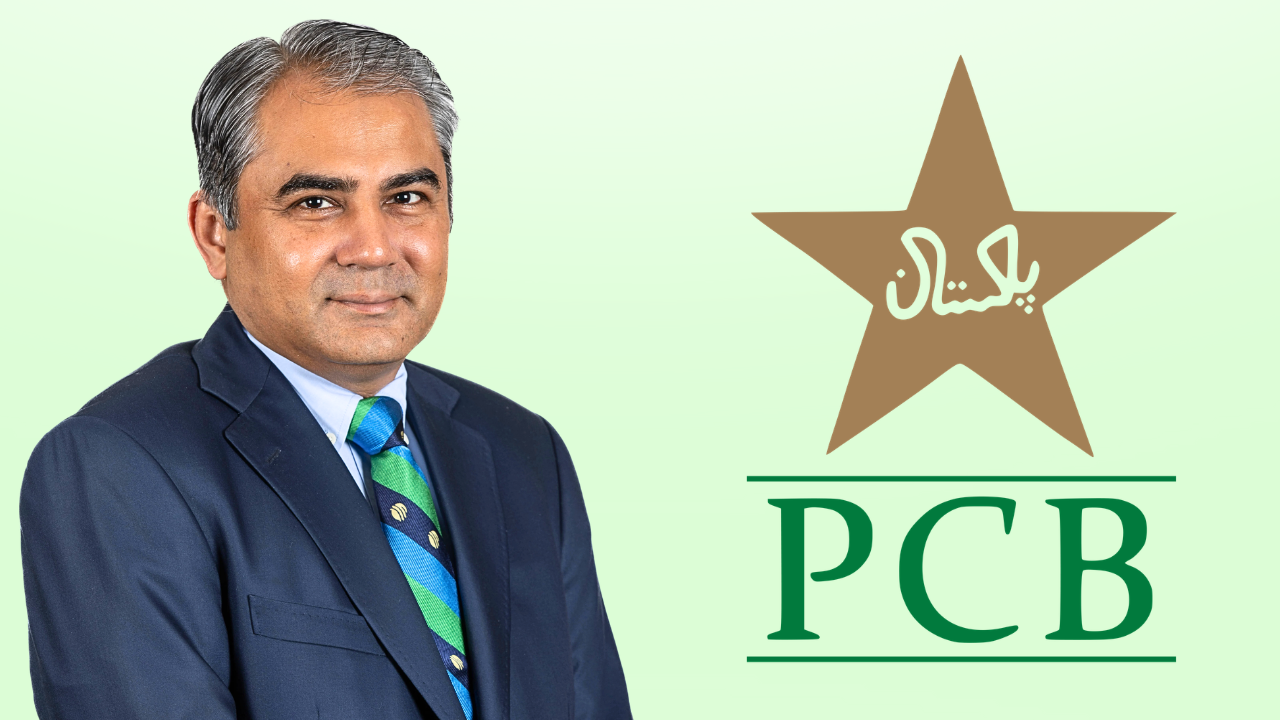
Pakistan Cricket Board Chairman Mohsin Naqvi is pushing to bring more former cricketers into the centre of Pakistan cricket’s decision-making process as the board looks to strengthen governance structures following a period of instability on and off the field. Speaking to reporters on Saturday, Naqvi outlined plans to expand the PCB‘s advisory network, arguing that greater involvement from experienced cricket figures could help improve decision-making across both the national and domestic game.
The move comes at a time when Pakistan cricket continues to face questions about consistency, leadership and long-term planning. A series of coaching and leadership changes in recent years, combined with disappointing performances and ongoing debate around cricket operations, has intensified scrutiny of how major decisions are made within the system. Pakistan’s recent struggles, including a disappointing Test series against Bangladesh, have further fuelled discussions about the need for stronger cricket oversight.
Advisory structure set for expansion
The PCB already draws on the experience of former Captains Misbah-ul-Haq and Sarfaraz Ahmed, but Naqvi is seeking to widen that pool of expertise. Former Captains Younis Khan and Mohammad Hafeez are among the figures who have been approached as discussions continue around the future shape of the advisory structure.
Explaining why he has begun consulting additional former players, Naqvi told reporters on Saturday: “I am meeting some former players in this regard, as I believe that cricket-related matters should be decided by those with extensive knowledge of the game.”
The proposed expansion reflects a broader effort to ensure that cricket matters are guided by individuals with direct experience of the game rather than being driven solely through administrative channels.
Greater role for cricket expertise
The PCB Chairman has repeatedly signalled that he wants cricket specialists to have a stronger voice in matters affecting the sport’s direction in Pakistan. That includes issues connected to the national teams, domestic cricket and other areas that shape the wider cricket environment.
“I want these cricket minds to take calls on cricketing matters pertaining to the national teams, cricket issues and domestic cricket,” Naqvi added.
The board is also considering a larger advisory group than the current structure, with the intention of broadening the range of views available when major decisions are discussed.
“We are in contact with many cricketers. When there are six or seven people instead of three, better decisions will naturally be made,” Naqvi said.
The approach would extend to significant cricket matters, including leadership and captaincy-related decisions, areas that have regularly generated debate during periods of change within Pakistan cricket.
Naqvi also emphasised that while he can offer input, he believes cricket decisions should ultimately rest with those appointed for that purpose.
“I can offer suggestions, but there will be occasions when they are not followed. I have to trust them,” he noted.
The comments align with his broader view that the PCB Chairman’s role is to maintain a strong and stable organisation, while cricket experts take the lead on matters directly affecting the game.
Reports surrounding Younis Khan and Hafeez addressed
As discussions involving former players became public, reports emerged linking Younis Khan and Mohammad Hafeez to specific positions within Pakistan’s cricket setup.
Some reports suggested Younis could be appointed to a coaching or mentoring role connected to the Test side, while Hafeez was also linked with a senior position. However, no official confirmation had been issued by the PCB regarding those reports.
Addressing the speculation during a media interaction on Monday, Naqvi said: “A few days ago, a headline was circulating that Younis Khan, who has been appointed as head coach or mentor of the Test team—whatever the exact role is—I only come to know such things through the channel.”
What is the future of Sarfaraz? What responsibility is being entrusted to Younis Khan? Nisa position for Mohammad Hafeez? Journalist questions PCB Chairman Mohsin Naqvi#PakistanCricket pic.twitter.com/Yf5ahMIUO9
— M.Umer Hayat (@iUmer12) June 15, 2026
Naqvi also questioned how reports had surfaced before any formal announcement had been made.
“We did not have any such agenda in advance. What can I say about it? If the news was not available on that day, and it was published in the morning, then I am not at fault for that,” he added.
The reports emerged amid broader discussion around Pakistan’s coaching structure, with speculation also circulating about possible changes following recent performances. Separate reports suggested Younis could replace Sarfaraz Ahmed in a role connected to the Test setup, although Sarfaraz has continued in his existing position and no official changes have been announced.
Focus remains on strengthening the system
Naqvi indicated that conversations with former players are centred on identifying where additional expertise can support Pakistan cricket rather than filling predetermined vacancies.
Referring to reports involving Hafeez, Naqvi said: “As for Hafeez, we were definitely discussing where we had vacancies and in which areas we needed people. But it felt very strange when the news came out that he had been appointed head coach, while on the other hand Sarfaraz is working in one role and such reports are circulating at the same time.”
His comments suggest the PCB remains in the consultation stage as it evaluates how former players can contribute to the game’s development and administration.
Reaffirming his willingness to involve experienced cricket figures wherever possible, Naqvi stated: “whoever can contribute to improving cricket at this time, I will go to each and every person, involve them, and take them along as well.”