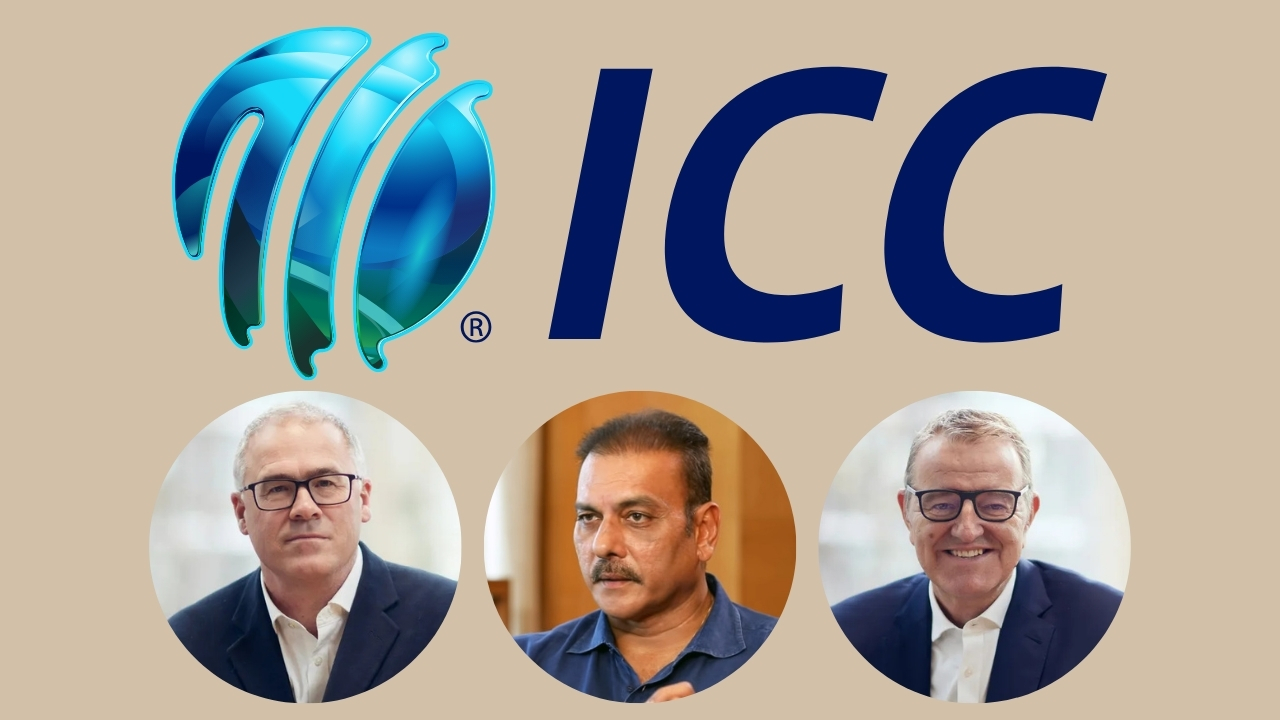
India’s commanding 38.5% share of the ICC’s revenue distribution has drawn criticism from various quarters of the cricketing world. But former India head coach Ravi Shastri has strongly defended the allocation—arguing that India’s economic contribution to the sport more than justifies its dominant position.
Speaking on the Wisden Cricket Weekly podcast, Shastri stated that the current revenue split not only reflects the commercial realities of the game but may actually be less than what India deserves.
India’s financial role warrants a larger share, says Shastri
Ravi Shastri emphasized that India’s massive influence on cricket’s global revenue stream entitles it to a major share of the ICC’s distribution model.
“I would want more [for India]. Because half the money – most of the money – that’s generated comes from India. So it’s only fair that they get their share of… pound of flesh. And it’s relative, you know, it’s economies.”
He acknowledged that economic leadership in cricket can shift over time, as it has in the past.
“Tomorrow there might be another economy that’s stronger. Money might come from there like it did in the seventies, eighties. And the chunk of the money went to… you know, went somewhere else.”
Shastri also highlighted India’s influence on broadcast markets and overall commercial impact.
“So I think it’s only fair and it just shows in the revenues. When India travel, look at the television rights, look at the television, income that comes, for an India series. So it’s only fair that they get whatever they’re getting now, if not more.”
English cricket leaders support India’s share
Shastri’s view has been echoed by senior figures within the England and Wales Cricket Board (ECB), who have publicly supported India’s revenue share.
ECB CEO Richard Gould stated:
“India play as many international fixtures as any other team in the world. And they do that because they know when they tour as an international team, they bring interest and revenue to that home side. I think it’s important to see things in the round, in that regard,” as quoted by Wisden.
ECB Chair Richard Thompson, speaking to The Athletic, added:
“India generate the bulk of the game’s wealth and they would be entitled to take more revenue than they do. They take probably 10 per cent less than they justifiably could.”
Shastri questions need for central ICC Test fund
Responding to suggestions for a centrally managed ICC Test fund to support the format globally, Shastri dismissed the idea, questioning the need for such a mechanism.
“No. I don’t think it’s needed.”
He argued that existing funds could be structured to support development in less commercially strong regions—provided that accountability is enforced.
“Why do you need it? You know, from what is coming now and what the share is, there could be a certain amount of money kept for those countries to promote the game.”
“There will be central support and it can come through this [fund], but you also have to question, why are cricket boards losing money hand over fist? Is the administration okay? Are they being handled properly? Is the game being run properly? And is there accountability? For me, that is the key. Is there accountability when there’s money being paid?”
A broader debate on financial equity in cricket
The ICC’s current revenue model has reignited concerns about the growing divide between cricket’s financial powerhouses and smaller Full Member boards. While supporters argue that distribution should reflect commercial contribution, critics warn of a system that could marginalize less affluent nations.
As Shastri and others argue for a revenue structure based on financial reality, the global cricketing community faces the challenge of balancing commercial success with the principles of fairness and inclusivity.