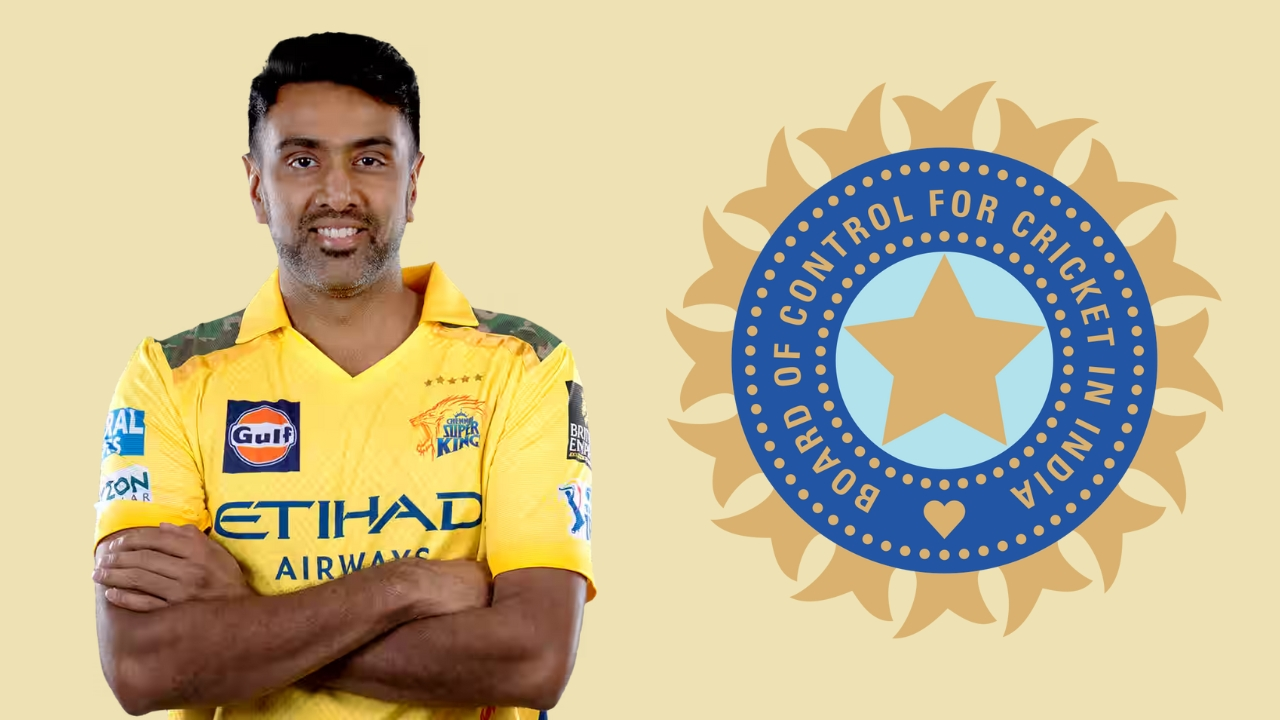
Former India spinner Ravichandran Ashwin has delivered a sharp critique of how Indian cricket is being consumed, arguing that the sport itself is increasingly being overshadowed by personality-driven narratives.
“Where did all this begin? We started creating narratives around players. We started painting a superhero culture, a cinematic culture. Who even talks about cricket now? Nobody speaks about the game itself,” Ashwin said at the Revsportz Conclave in Kolkata.
His comments point to a deeper structural shift—where storytelling around individuals has begun to dominate analysis, reducing focus on the technical and tactical elements of the game.
When analysis turns into agenda: the Shubman Gill example
Ashwin illustrated this trend through his own experience analysing Shubman Gill’s dismissals earlier this year, where a cricket-focused breakdown quickly morphed into player comparisons and fan-driven debate.
“Some time ago, I put out a Twitter thread about what Shubman was doing that was leading to his dismissals in a certain way. For me, it is always about the ‘what’ and the ‘why,’ never the ‘whom.’ But immediately it became about comparison—why only Shubman and not someone else? I was like, do you even follow what I do? The point is, we moved the game away from its essence, its centrepiece, and made it about the ‘who’,” Ashwin added.
The episode underlines how even technical insights are increasingly filtered through the lens of identity, fandom, and narrative-building.
Fan armies and the ‘disease’ in cricket discourse
Beyond media framing, Ashwin raised concerns about the growing influence of fan armies on social platforms—suggesting that the amplification of certain views may not be entirely organic.
“There’s something of a disease going around at this point. A lot of these opinions that show up on social media through fan armies—I’ve heard them before, first-hand. Sometimes, I’ve heard these same views at a breakfast table or a lunch table, and later they appear online under some other name. That’s when you wonder—how is this happening?” Ashwin said.
While he avoided directly blaming players, Ashwin hinted at a more organised ecosystem behind the scenes.
“I’m not saying players themselves are planting these opinions, but it is scary. Is there some sort of espionage going on? I’m not saying that’s exactly what’s happening, but there is surely some business structure involved. Today, every player is an entrepreneur, and pushing opinions outside can increase brand value or improve PR. I’m all for that. But speaking ill of another cricketer is something I would never do,” he added.
The business of narrative: players as brands
Ashwin’s remarks reflect a broader evolution in cricket, where players now operate as individual brands within a complex commercial ecosystem.
With sponsorships, digital platforms, and PR strategies playing a central role, controlling narratives has become a key part of modern cricket business. Fan armies—whether organic or influenced—are increasingly an extension of that ecosystem.
However, Ashwin drew a clear distinction between self-promotion and undermining peers, warning against the long-term consequences of the latter.
Wider pushback against star culture in Indian cricket
The concerns raised by Ashwin align with a growing sentiment within Indian cricket’s leadership.
Head coach Gautam Gambhir has emphasised the importance of a team-first culture, while former captain Sunil Gavaskar has also cautioned against the rise of unchecked superstar culture.
Both have stressed that performance, discipline, and team contribution must outweigh popularity and social media influence.
The bigger picture: who controls cricket’s narrative?
Ashwin’s critique ultimately highlights a battle over the future of cricket’s narrative.
As digital engagement, fan communities, and commercial interests continue to grow, the sport faces a critical question: will cricket remain the central focus, or will it be eclipsed by the narratives built around its biggest stars?
For Ashwin, the answer lies in restoring balance—bringing the conversation back to the game itself.