PCB faces mounting criticism after leadership shake-up
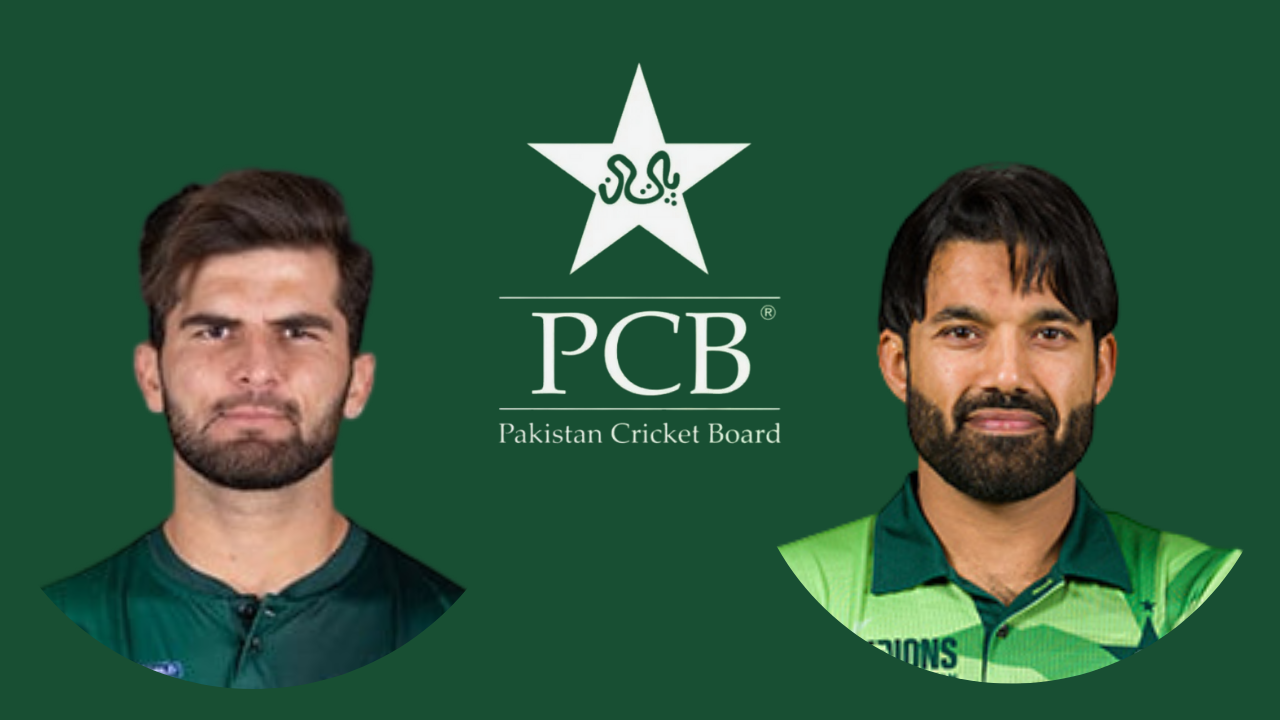
The Pakistan Cricket Board’s (PCB) decision to appoint Shaheen Shah Afridi as the new ODI captain has triggered a fresh storm in Pakistan cricket, not only over the move itself but also the circumstances under which Mohammad Rizwan was removed from the role.
The 24-year-old left-arm pacer will lead the national side in the upcoming three-match home series against South Africa, scheduled from November 4 to 8 in Faisalabad. His elevation, however, has revived concerns about the board’s leadership volatility and underlying political, ideological, and commercial tensions.
Shortly after the announcement, former captain Rashid Latif took to social media to voice his frustration. “Shaheen Shah Afridi named ODI captain,” he posted on X (formerly Twitter), before launching into a broader criticism of the PCB’s internal dynamics.
“The ‘divide and rule’ policy is a political strategy to gain and maintain power by creating and exploiting divisions within a population, such as religious, ethnic, or team-based differences. Pakistan is the only country that cannot even produce a decent captain or leader.”
Shaheen Shah Afridi named ODI captain
"divide and rule" policy is a political strategy to gain and maintain power by creating and exploiting divisions within a population, such as religious, ethnic, cricket teams or class differences.
Pakistan is the only country that cannot… pic.twitter.com/YkQvHojeiH
— Rashid Latif | 🇵🇰 (@iRashidLatif68) October 20, 2025
Latif’s comments were echoed by Mohammad Amir, who joined the debate through a video shared on Facebook. Amir defended Rizwan’s leadership record, stating, “I don’t think Mohammad Rizwan has been treated fairly. Rizwan was not a bad one-day captain.”
Amir highlighted Rizwan’s notable achievements, particularly overseas. “He led Pakistan to series wins in South Africa and Australia — something even some of our biggest captains couldn’t achieve. We should not have forgotten that.”
Amir questions process, Latif points fingers at Hesson
The former fast bowler continued his critique by questioning the selection process itself. “Captaincy should not depend on just one good or bad series. We are all responsible for this — former cricketers and analysts included. We don’t allow stability in our cricket.”
He also stressed the importance of continuity and nurturing leadership over time. “Captains are not made overnight; it takes two to three years to build one. But here, one bad series is enough to replace a captain. I don’t think this is the right call. Rizwan is a smart captain and has that knack for leadership.”
Amir further suggested an alternative course of action: “If Shaheen had to be made captain, he could have first been appointed as vice-captain and his performance judged accordingly — especially considering his fitness.”
While Amir focused on cricketing logic and development, Latif delved into deeper ideological and cultural concerns. In a video posted on social media, he alleged that Rizwan’s public display of solidarity with Palestine may have played a role in his sacking.
“Just because he picked up the Palestine flag, you would sack him as captain? This mindset has come that a non-Islamic captain should come in an Islamic country.”
Rizwan’s stance on betting sponsorships adds another layer
The controversy surrounding Rizwan’s ouster intensified after a Times of India report cited a PCB source who linked the decision to Rizwan’s ethical stance against promoting surrogate betting companies.
“Rizwan had informed the PCB that he wouldn’t endorse betting companies, which is the main reason behind his sacking. He was against the PCB’s collaboration with surrogate betting firms,” the source revealed.
This isn’t the first time Rizwan has taken such a stand. During his stint in the Caribbean Premier League, he had reportedly refused to wear a jersey displaying a betting firm’s logo.
Latif, supporting Rizwan’s position, addressed the issue on his YouTube channel, Caught Behind. “This mindset that there would be non-Islamic captains in an Islamic country is abysmal.”
He questioned whether Rizwan’s principled stands — both religious and ethical — contributed to his removal. “If he has spoken about Palestine, will you remove him from captaincy?”
A timeline of turbulence: PCB’s leadership shuffle
Pakistan cricket has witnessed a revolving door of leadership since early 2023. Rizwan was appointed white-ball captain in October 2024 and led the ODI team in 20 matches, winning nine. However, a string of defeats, including a disappointing performance in the ICC Champions Trophy and a series loss to the West Indies, appears to have sealed his fate.
Rizwan’s T20I captaincy had already been cut short earlier in 2025 after four consecutive losses, paving the way for Salman Ali Agha to take over.
In the ODI format, Rizwan’s removal marks the PCB’s third leadership change in a single year. The decision to reinstate Shaheen — who previously had a short-lived T20I captaincy stint in January — suggests ongoing uncertainty within the PCB hierarchy.
Mike Hesson, the current white-ball head coach, has also been the target of criticism from former Pakistani internationals. Rashid Latif accused him of influencing the board’s decisions based on discomfort with the cultural practices Rizwan brought into the team environment.
“Mike Hesson is the one behind this decision, right? He isn’t someone who likes this culture in the dressing room. Why aren’t they understanding? He has a team of 5-6 people. He would want to finish such a culture in the dressing room. We never cared about these things, even in times when Inzamam ul Haq, Saeed Anwar or Saqlain Mushtaq were in the team.”
According to former Pakistan Captain Rashid Latif said Rizwan was removed from captaincy because he spoke for people of palestine and brought religious practices in the team which hesson didnt liked.#ShaheenAfridi #PakistanCricket #CricketTwitter pic.twitter.com/8CMCn2CIjN
— Mustafa (@mustafamasood0) October 20, 2025
More than just cricket: A leadership crisis unfolds
The debate over Rizwan’s removal and Shaheen’s appointment reflects a broader identity crisis within Pakistan cricket — one entangled with questions of commercial ethics, religious expression, cultural friction, and governance instability.
With the ODI series against South Africa looming, Pakistan’s focus should ideally be on building a consistent, results-driven team. But with unresolved fractures within the system, the cricketing spotlight remains fixed on the boardroom instead of the field.