

Chair | ICC Women’s Cricket Committee
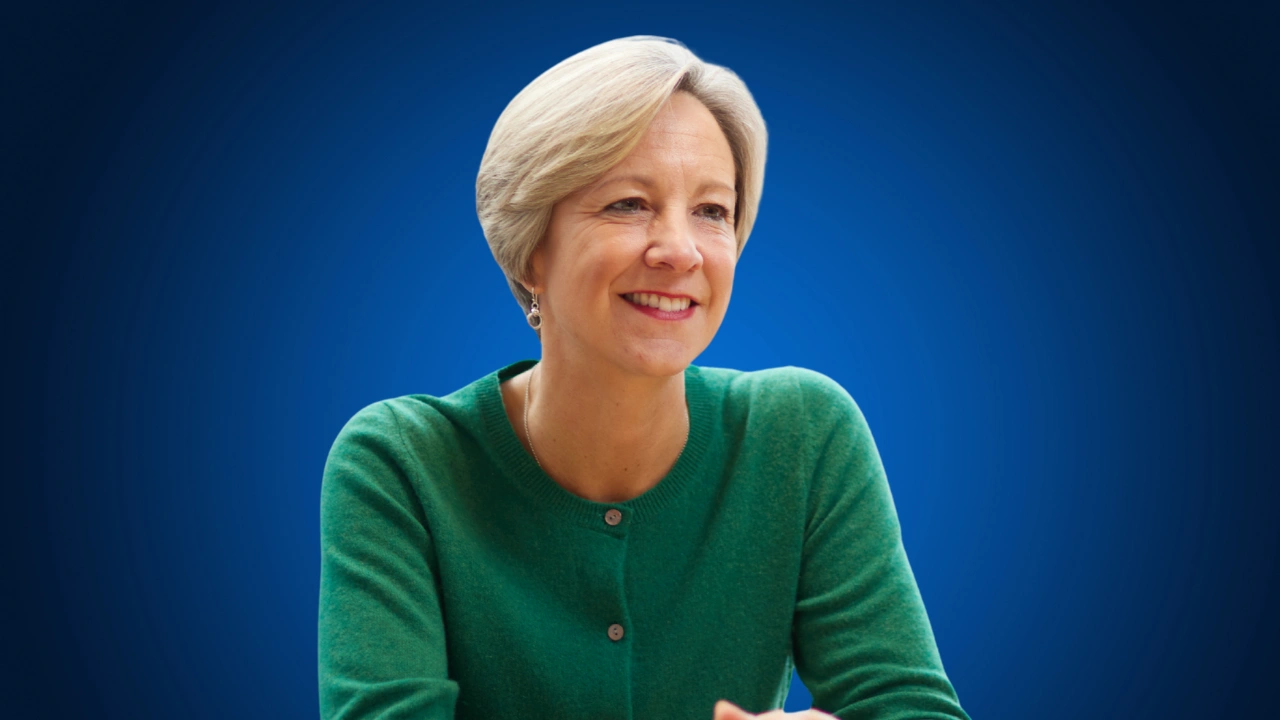
Clare Connor will step down from her role as Managing Director, England Women, and Deputy CEO of the England & Wales Cricket Board (ECB) this summer, following the ICC T20 Women’s World Cup in England, leaving behind a transformative legacy in women’s cricket. This summer’s tournament represents a culmination of years of progress, yet Connor stresses the journey is far from over: “This summer’s World Cup is not the peak of the mountain. It’s still another catalyst to care more and do more and build more.”
Her influence extends globally as Chair of the ICC Women’s Cricket Committee, where she has driven initiatives for equal prize money, all-female officiating panels, and high-performance investment in emerging nations. “We are at a point where countries without the baggage of men’s structures can grow the women’s game faster, and that’s exciting for cricket worldwide.” Domestically, she has overseen the growth of full-time professional contracts, alongside grassroots initiatives that have grown female participation and created clear pathways for young talent.
Connor’s administrative leadership is informed by her distinguished playing career. As England captain from 2000 to 2006, she led the team to its first Ashes win in 42 years and built a culture of resilience and professionalism. She reflects on those early challenges: “Leading England to a first Ashes win in 42 years showed what belief, preparation, and teamwork can achieve.” Her international career included over 100 caps, a hat-trick against India, and groundbreaking appearances in traditionally male competitions such as The Cricketer Cup and Lashings World XI.
Her path into cricket administration was deliberate. After teaching English at Brighton College, Connor joined the ECB in 2007 and guided England women through transformative victories, including the 2017 ICC Women’s World Cup at Lord’s and the inaugural ICC Women’s T20 World Cup in 2009. She also became the first female president of the Marylebone Cricket Club (MCC) in its 233-year history, advocating inclusivity and modern reforms in cricket governance.
Even as she plans her next chapter, Connor remains engaged in using cricket as a force for social good, including coaching in refugee camps and supporting global development programs. “Cricket is a remarkable tool to teach young people confidence, teamwork, and resilience. I won’t be straying too far from that mission.”