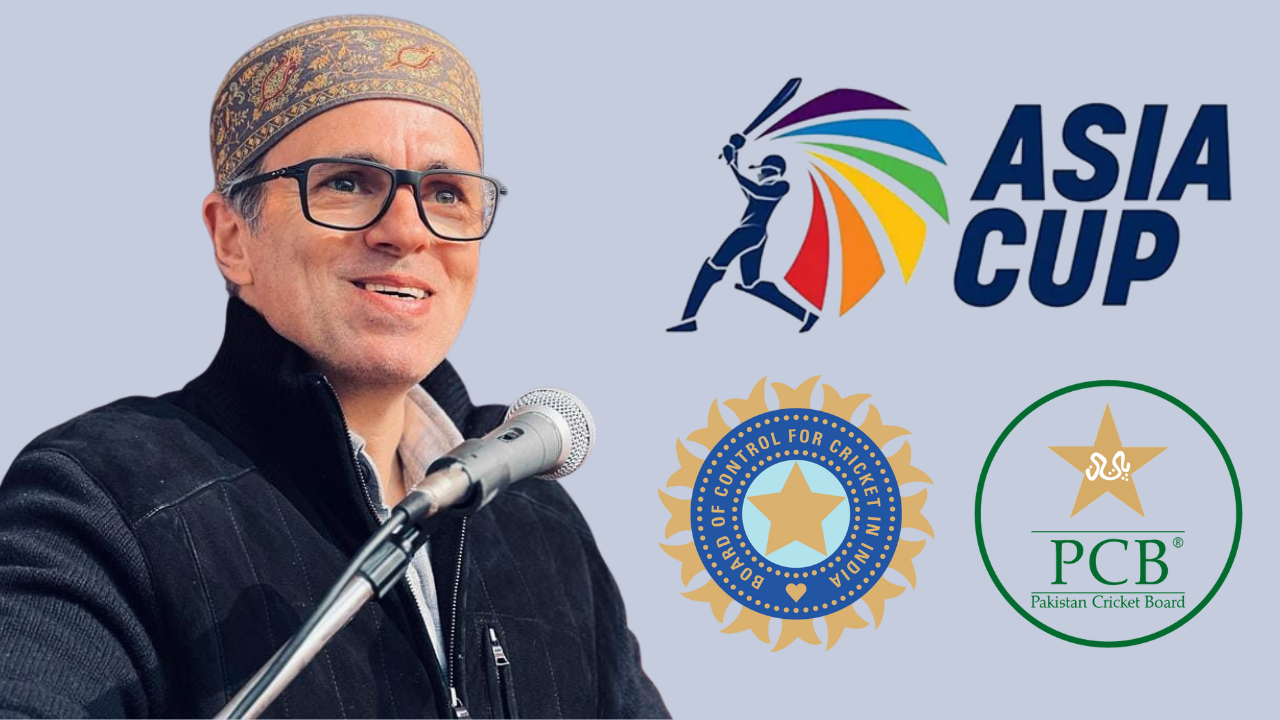
Asia Cup ends in controversy after handshake and trophy snub
The 2025 Asia Cup, held in Dubai, concluded with India lifting the trophy—but post-match gestures, or the lack thereof, overshadowed the cricket. India and Pakistan faced off three times during the tournament, but Indian players avoided the customary handshake before and after each match starting with the first, and, as a result, the Pakistani team did as well. The pattern extended to the women’s teams, who also skipped handshakes during their World Cup encounter in Sri Lanka.
The situation escalated further when Indian players refused to accept the winner’s trophy from Asian Cricket Council (ACC) Chairman Mohsin Naqvi, who is also Pakistan’s Interior Minister and PCB chief. Naqvi, in turn, walked away with the trophy, leaving it undelivered. The BCCI later defended the Indian team’s actions, saying it could not accept the trophy from someone “waging a war against the country.”
Pakistan responded by lodging an official complaint with both the ACC and the International Cricket Council (ICC), turning a moment meant to celebrate cricket into a fresh flashpoint between the neighboring nations.
Omar Abdullah urges players to embrace sportsmanship
Amid the growing backlash and diplomatic noise, Jammu and Kashmir Chief Minister Omar Abdullah weighed in on the controversy, urging both sides to uphold the spirit of the game.
“If you’re playing, you might as well shake hands,” Abdullah told India Today, calling for the restoration of basic sportsmanship regardless of political tension.
Reflecting on similar scenes in other sports, Abdullah added, “And was it a hockey match where we tapped each other’s shoulders or did something? There was something — was it kabaddi or hockey? There was something where we didn’t quite shake hands, but we tapped shoulders or did something.”
His remarks highlighted how symbolic gestures of respect—even in politically charged environments—can shape the tone of international sporting contests.
“If you’re playing, then you should play the game in the spirit it was intended,” Abdullah said, reaffirming his call for the sport to rise above national rivalries.
Support for India-Pakistan matches in multilateral tournaments
Abdullah also voiced support for the continuation of India-Pakistan cricket in multilateral formats, despite the ongoing diplomatic strain.
“And why not? I mean, what’s wrong with a multilateral tournament?” he asked, pointing to the importance of keeping sporting ties alive, at least in neutral or shared competitive formats.
As political tensions continue to shape how the sport is played and perceived between the two nations, Abdullah’s comments stand out as a reminder of the unifying potential cricket still holds—and the small gestures that often make the biggest statements.