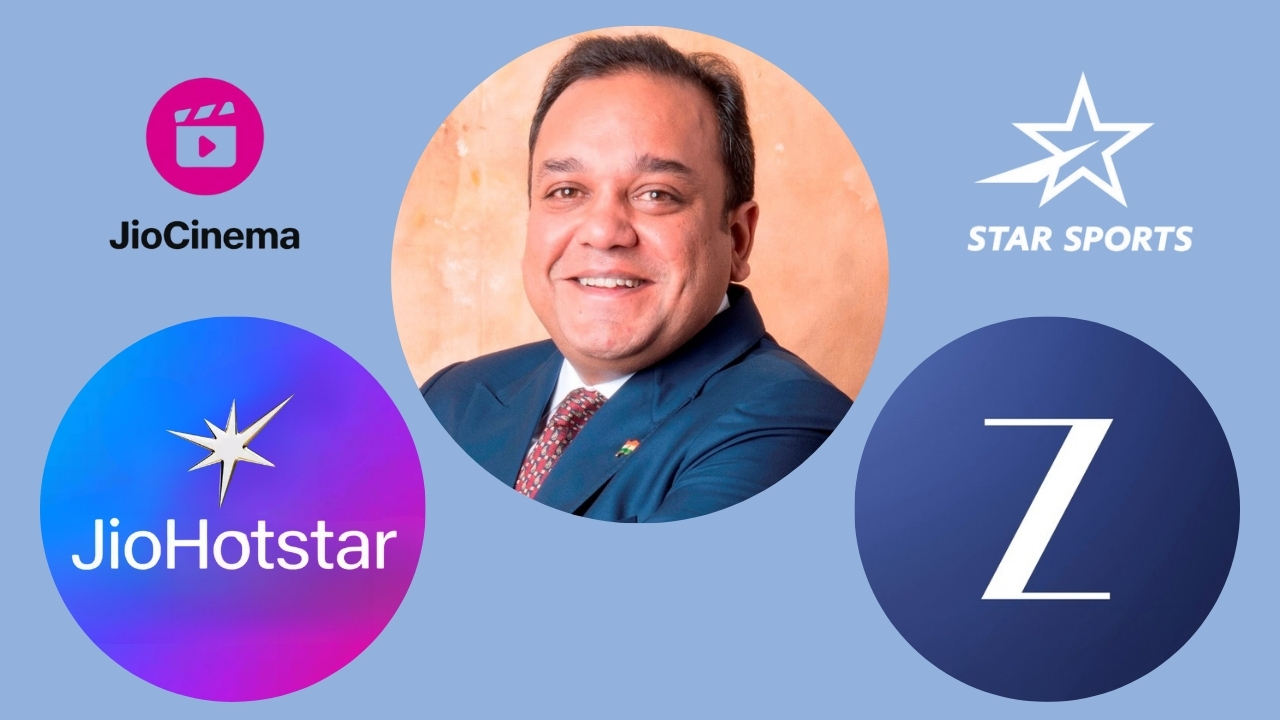
The legal standoff between JioStar India—a joint venture of Reliance’s JioCinema and Disney’s Star—and Zee Entertainment Enterprises Ltd (ZEEL) has intensified, with the claim value in their arbitration now exceeding $1 billion. The case stems from a failed sublicensing deal for ICC cricket broadcasting rights and could have wide-ranging implications for the future of sports media rights in India.
$1B arbitration over broken ICC media alliance
On August 26, 2022, Star sublicensed the television broadcast rights for all ICC Men’s and Under-19 global events from 2024 to 2027 to ZEEL, while retaining digital rights. But the agreement collapsed after Star accused ZEEL of breaching the contract by failing to pay the first $203.56 million installment and not providing the required bank guarantees.
Star initiated arbitration on March 14, 2024, first seeking specific performance, then formally terminating the agreement on June 20, 2024, and shifting focus solely to damages.
In a disclosure to the exchanges, ZEEL stated:
“On 13 June 2025, Star filed its Reply and Defence to Zee’s Counterclaim of terminating the Alliance Agreement and updated its damage claim to $1,003 million (from $940 million) as of 30 April 2025.”
ZEEL pushes back, alleges breach by Star
ZEEL terminated the agreement on January 8, 2024, citing an alleged “repudiatory breach” by Star. In its counterclaim filed on December 23, 2024, ZEEL rejected Star’s allegations and sought a refund of roughly $8 million related to bank guarantee commissions and interest.
As both sides entered the document discovery phase by May 31, 2025, ZEEL is due to file its rejoinder by August 8. The evidentiary hearings are scheduled for November 2025 under the London Court of International Arbitration (LCIA).
In a statement, ZEEL said:
“The Board continues to monitor the progress of the aforesaid matter.”
“The management, based on legal opinion and internal assessment, has determined that the company is not in default of the Alliance Agreement and believes that the claims made by Star are unfounded and legally not tenable.”
“[ZEEL] does not expect any material adverse impact from the proceedings.”
Strategic implications for cricket broadcasting rights
This arbitration highlights the growing financial and legal risks tied to high-stakes sports broadcasting deals in India. With digital platforms and linear TV broadcasters increasingly engaging in joint or sublicensed agreements, the outcome of this case could influence how future cricket rights are structured and protected.
Despite the ongoing dispute, ZEEL signaled openness to alternative resolutions.
“We are open to all possibilities available to us, both legal and non-legal, including out-of-court settlements,” Punit Goenka, CEO of ZEEL, said during the Q4 earnings call.
“But it’s too early to comment further,” Goenka added in the same call.
As the November hearings approach, the billion-dollar showdown between two of India’s media heavyweights could reshape not just their balance sheets—but the entire approach to broadcasting cricket in the digital era.