Political tension overshadows cricket’s handshake tradition
The long-standing symbolism of handshakes between India and Pakistan cricketers has quietly disappeared from the sport in recent months — a silent casualty of rising political tensions. In a string of high-profile encounters across men’s, women’s, and junior tournaments, Indian players have refrained from engaging in the traditional pre- or post-match handshakes, breaking with long-standing protocol.
The origin of this change traces back to the April Pahalgam attack, after which the Board of Control for Cricket in India (BCCI) began discouraging on-field gestures of camaraderie with Pakistan as a show of solidarity. The policy was first visible during the Asia Cup in September and has continued across formats, including the Women’s ODI World Cup and the U-19 Asia Cup.
Mohsin Naqvi reaffirms Pakistan’s stance on cricket and politics
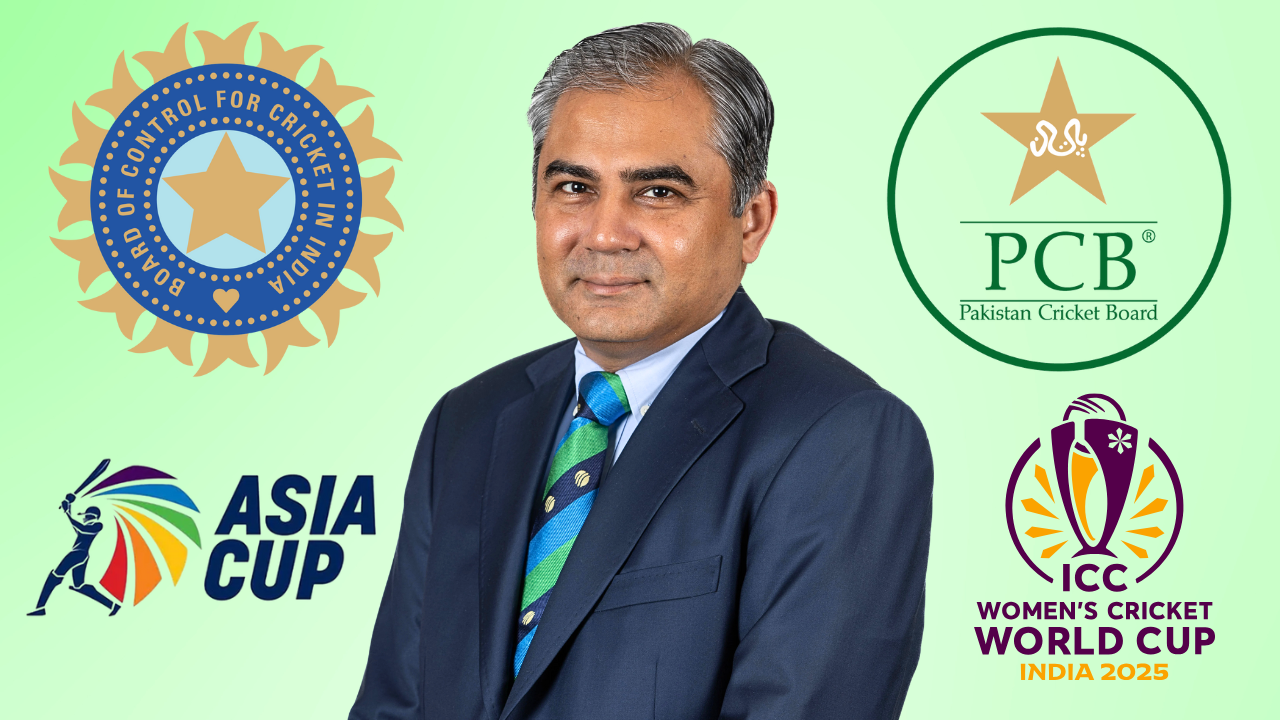
Responding to the repeated absence of handshakes, Pakistan Cricket Board (PCB) chairman and Asian Cricket Council (ACC) president Mohsin Naqvi broke his silence in a press conference in Lahore. He underlined Pakistan’s commitment to preserving cricket as an apolitical space — and asserted that Pakistan would not unilaterally uphold symbolic gestures if India refuses to reciprocate.
“Our belief remains the same even today, and believe me, the Prime Minister himself has told me twice that we shouldn’t let politics come into all of this. From day one, our stance has been that cricket and politics should remain separate. On that day, Sarfaraz must have told you what kind of attitude was shown, and what it was like,” Naqvi said.
He further clarified that Pakistan had no intention of insisting on handshakes if the Indian side chose not to participate.
“If they don’t want to shake hands, then we have no particular desire to do so either. Whatever happens, it will happen on an equal footing with India. And you will see, this approach will continue going forward. It’s not possible for them to do one thing and for us to back down — that simply won’t happen,” Naqvi added.
Fallout from the U-19 Asia Cup escalates tensions
Tensions came to a head earlier this month during the U-19 Asia Cup final, where on-field confrontations further inflamed the rivalry. Pakistan’s Ali Raza clashed with India’s Ayush Mhatre and later with Vaibhav Suryavanshi, with tempers flaring in a match already weighed down by national pride. Pakistan ultimately defeated India by 191 runs, securing their second U-19 Asia Cup title in dominant fashion.
Former Pakistan captain Sarfaraz Ahmed added fuel to the fire by accusing the Indian players of unethical behavior, stating he had instructed his own side to maintain restraint while criticizing what he viewed as overly emotional and inappropriate gestures from India’s juniors.
Meanwhile, reports surfaced that the ICC had requested the BCCI to reconsider its no-handshake policy before the tournament began, stressing the importance of separating politics from sport at the junior level. However, the Indian board held to its stance, applying the policy consistently across both the group stage and final.
Trophy drama further deepens divide
The ongoing diplomatic chill between the two boards had already been highlighted during the Men’s Asia Cup earlier in the year. After India defeated Pakistan in the final, the Indian team reportedly refused to receive the trophy and medals from Naqvi, delaying the post-match ceremony by over an hour. In the end, players from the Indian camp mockingly celebrated with imaginary trophies and posted symbolic emojis online.
Later, when videos emerged showing Naqvi leaving the stadium with the unawarded trophy, criticism intensified. Indian cricket officials and fans questioned the optics, while some former players accused the ACC of mishandling a major regional tournament.
Naqvi defended his actions as administrative and in line with protocol, noting that the BCCI was welcome to collect the trophy from ACC headquarters. Still, the episode underscored the increasingly fragile relationship between the two cricket boards — one where even standard ceremony now carries diplomatic weight.
A growing rift that shows no sign of healing
What was once a spirited but respectful cricketing rivalry has been reshaped by broader geopolitical undertones. The simple gesture of a handshake — once a token of sportsmanship — now reflects the complexity of relations between India and Pakistan.
As the governing bodies of both nations hold firm in their respective stances, it is clear that the consequences go far beyond trophies or handshakes. They touch the very structure of the game, the perception of its leadership, and the global image of cricket as a bridge rather than a battlefield.
And if Mohsin Naqvi’s recent remarks are any indication, Pakistan has no intention of budging unless India does too.