

One of the greatest misconceptions in sport has been the assumption that women lacked interest — a misconception which caused the industry to be not only be blind to that interest, but also to its value.
The sports industry has spoken about women as though they are a ‘new, niche’ audience. The truth is far simpler — and far more uncomfortable: women have always been here.
They have always watched, argued, celebrated, mourned defeats, memorised statistics, travelled for matches, defended teams, and passed fandom through generations like a family heirloom. What is changing is not women’s presence in sport. What is changing is the industry finally waking up to their commercial and cultural value.
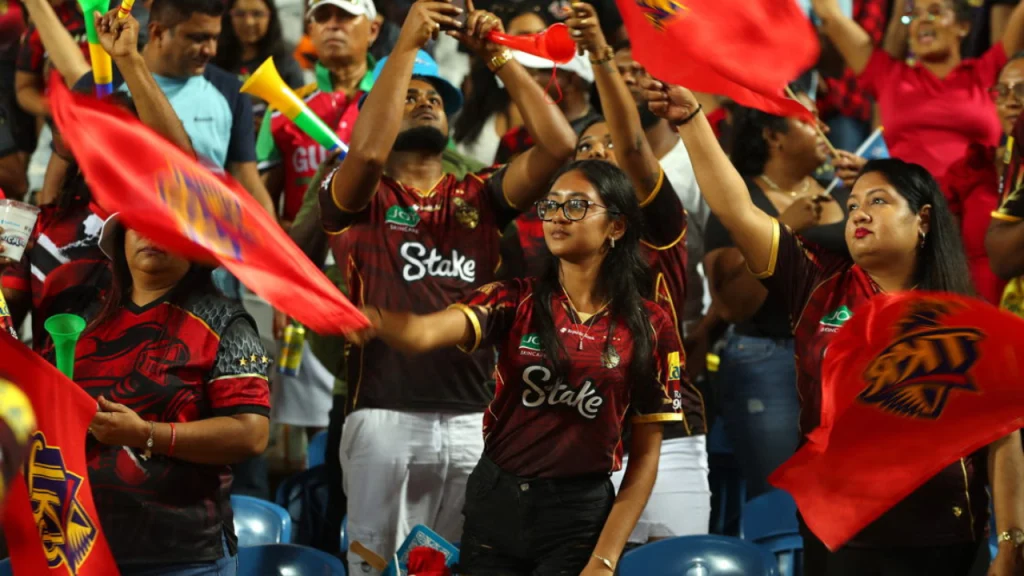
I have been sitting with that tension a great deal recently. After three years of establishing the Women’s Caribbean Premier League (WCPL), we are now entering a repositioning phase — a deliberate rethinking of what the league is, who it is for, and what it can become. As Head of Partnerships, I believe that work is not merely operational. It is philosophical. It forces you to interrogate every assumption about how women’s sport is built, sold, and sustained.
Because the conversation around women’s sport is still too often framed as though audiences are only now emerging. Yet when I think about fandom — real, generational, emotional fandom — I think about my Aunt, Wincena.
Growing up in the Caribbean, cricket was not simply entertainment in our home. It was atmosphere, identity, ritual. My auntie would watch West Indies matches on TV and listen to the commentary on radio with complete emotional investment. Every wicket brought celebration. Every dropped catch, outrage. She shouted advice at players who could not hear her, argued with commentators as if they were in the room, and celebrated victories like personal triumphs.
My cousins and I quickly learned something very important: if we wanted to get up to mischief, the best time was when auntie was watching cricket. All of her attention belonged to the match.
Long before the industry coined terms like “super fan,” she already was one. And she was not unusual.
Across the Caribbean and around the world, women have always occupied the emotional centre of sports culture. They woke early to watch overseas tours. They organised family life around fixtures. They debated selections, bought merchandise, and built communities around teams. The industry simply failed to see them because sport was historically marketed, measured, and monetised through an overwhelmingly male lens.
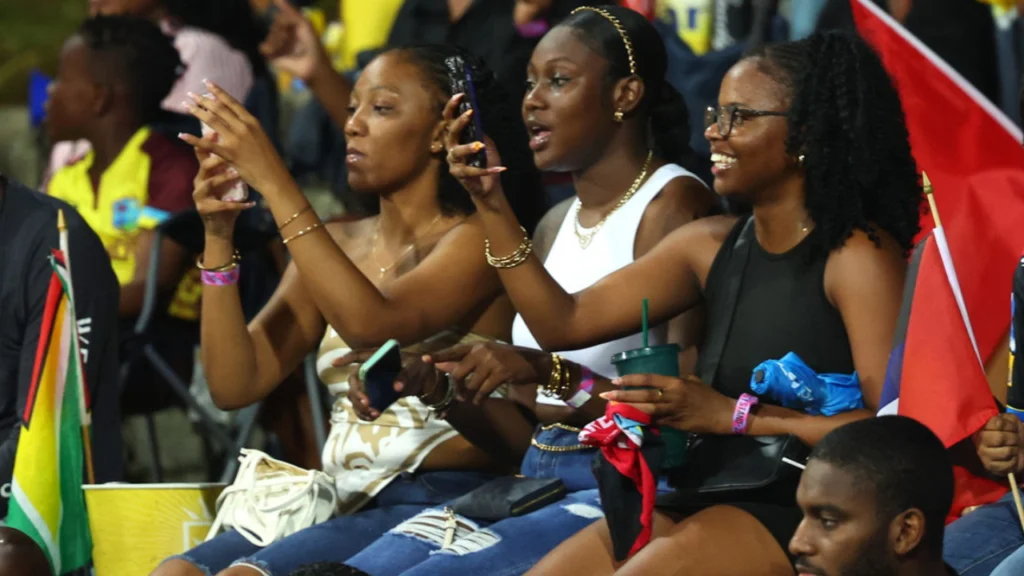
That blind spot is finally coming into focus.
According to Nielsen, audiences in the United States consumed 46 billion minutes of women’s sports in 2025 alone, with record engagement across basketball, football, tennis, softball, and hockey. The WNBA delivered its most-watched regular season and postseason ever, while sponsorship revenue climbed sharply as brands recognised the commercial power of these audiences.
But what matters most is not simply the scale of growth. It is the quality of engagement.
What makes this audience even more commercially significant is that women are not only consuming sport in greater numbers — they are increasingly controlling spending decisions globally.
Women are estimated to influence or directly control more than US$30 trillion in consumer spending worldwide, making them one of the most powerful economic forces in the global marketplace. In the United States alone, women drive or influence approximately 85% of consumer purchasing decisions across categories ranging from travel and entertainment to automotive, finance, and household spending.
That purchasing power is now intersecting directly with sport.
According to Nielsen, nearly half of all global sports fans are women, while women’s sports audiences continue to grow faster than many traditional sports properties. Deloitte has projected that elite women’s sport will surpass US$2 billion in annual global revenues for the first time, driven by rising broadcast rights, sponsorship investment, ticket sales, and commercial partnerships.
The implication for brands is profound: this is not a niche audience with symbolic value. It is a financially influential consumer base with growing cultural power, deep emotional engagement, and increasing expectations around representation and authenticity.
And unlike many overstimulated advertising environments, women’s sport still offers brands something increasingly rare: the opportunity to build trust early while the ecosystem is still being shaped.
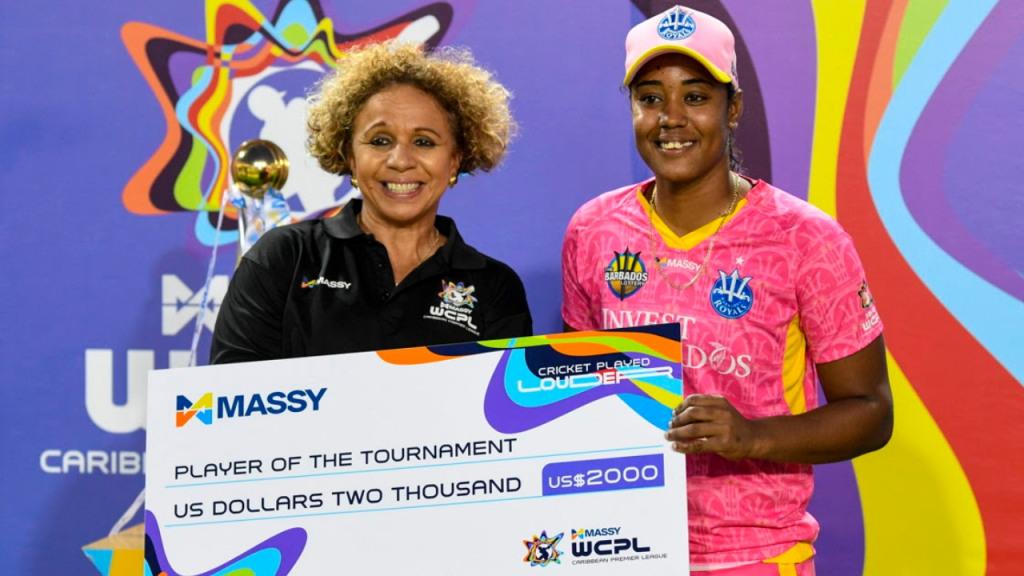
Women’s sports audiences are deeply connected, emotionally invested, and highly responsive to storytelling that feels authentic. They are not passive consumers. They are community-builders. They reward brands that understand the culture and reject those that treat women’s sport as a symbolic gesture.
For years, sports marketing aimed at women followed predictable and often patronising formulas: pink packaging, lifestyle clichés, and campaigns that positioned women as adjacent to sport rather than central to it. Those approaches failed not because the audience was wrong, but because the industry’s assumptions were.
The rise of F1 Academy offers a more instructive blueprint. Formula 1’s global fan survey found that women now account for 40% of its fanbase — growth driven not by superficial targeting, but by deliberate investment in storytelling, personality-driven content, access, and cultural relevance.
Personally, I am a bit of a Susie Wolff fan girl. What she is building through F1 Academy feels genuinely significant — not just for motorsport, but for how we think about visibility, pathways, and belonging in sport.
The lesson is critical: women are not looking for diluted versions of men’s sport. They are responding to experiences that feel culturally intelligent and community-driven.
That is why women’s leagues cannot simply operate as add-ons to existing men’s competitions. They need their own storytelling, their own athlete-first content strategies, and their own sponsorship philosophy — one that invites brands into something purposeful rather than treating women’s sport as secondary inventory.
There is a real opportunity here for the brands willing to move intentionally and early. Female fans are not waiting to be “activated.” They are already deeply engaged with sport, with community, and with identity. The brands that build with them — rather than broadcast at them — will earn something far more valuable than impressions: trust.
The real challenge for the sports industry was never discovering women fans. It was recognising them. And now that recognition is finally happening, the responsibility shifts.
The question is no longer whether women belong at the centre of sports culture.
The question is whether the industry is finally prepared to build sport around a reality that women have understood all along: they were always part of the story.
My auntie did not need an industry report to validate her passion for cricket. She did not need a marketing campaign to tell her she belonged in sports culture. She already knew. Millions of women do too.


