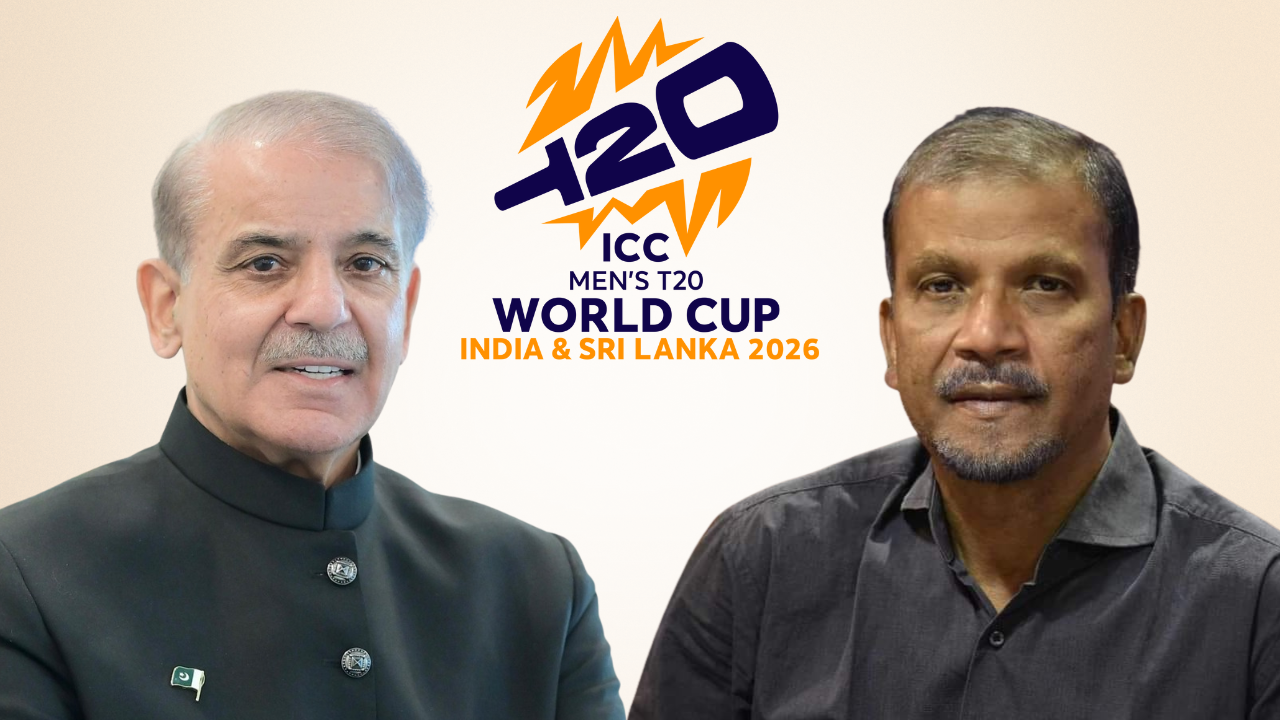
A political message delivered on the cricket field
Pakistan’s shock decision to boycott their T20 World Cup 2026 group-stage clash with India has ignited a geopolitical firestorm across South Asia’s cricketing landscape. What began as a scheduling conflict has escalated into a high-stakes political standoff — with Pakistan declaring its support for Bangladesh and publicly challenging what it calls the International Cricket Council’s “double standards.”
Prime Minister Shehbaz Sharif confirmed on Wednesday that the boycott was a deliberate act of solidarity after Bangladesh was controversially excluded from the tournament.
“We have taken a very clear stand on the T20 World Cup that we won’t play the match against India because there should be no politics on the sports field,” he told members of his cabinet. He added, “We have taken a very considered stance, and we should completely stand by Bangladesh, and I think this is a very appropriate decision.”
Bangladesh’s exit and the ICC’s call
The flashpoint was Bangladesh’s removal from the tournament, after the interim government in Dhaka refused to allow the national team to travel to India due to security concerns. Bangladesh had requested to play its matches in Sri Lanka, the tournament’s co-host, but the ICC declined the proposal, citing logistical constraints.
A subsequent 14-2 vote by the ICC Board sealed Bangladesh’s fate, replacing them with Scotland. Only Pakistan and Bangladesh voted against the change.
In response, Pakistan’s government announced its team would participate in the World Cup but would boycott the February 15 marquee matchup against India in Colombo. While the Pakistan Cricket Board (PCB) has remained tight-lipped, government officials have been anything but.
Support from Bangladesh’s interim leadership
Pakistan’s move has not gone unnoticed in Dhaka, where Asif Nazrul, Bangladesh’s sports adviser under the post-Hasina interim government, took to Facebook to acknowledge the gesture.
“Thank you, Pakistan,” Nazrul wrote, praising Pakistan for backing Bangladesh’s cause. He continued, “Pakistan Prime Minister Shehbaz Sharif has said that his country has decided to boycott the match against India in protest of Bangladesh being excluded from the T20 World Cup.”
This growing bond between the two countries has been accompanied by a broader realignment since the fall of the Sheikh Hasina government in Bangladesh in mid-2024. With the rise of the Islamist-backed Yunus regime, ties between Bangladesh and Pakistan have warmed, marked by resumed diplomatic visits, direct flights, military collaboration, and now, a shared stance on cricket politics.
Fallout looms for cricket’s biggest fixture
The India-Pakistan World Cup clash is one of the most-watched events in global sport. A boycott would not only have massive financial implications — including losses for broadcasters, advertisers, and the ICC itself — but could also set a precedent for how political tensions influence international fixtures.
The ICC’s firm statements indicate concern that the issue could fracture cricket’s already delicate global structure. For now, Pakistan remains resolute in its position, drawing sharp lines between political principle and sporting protocol — even if it means walking away from one of the sport’s grandest stages.