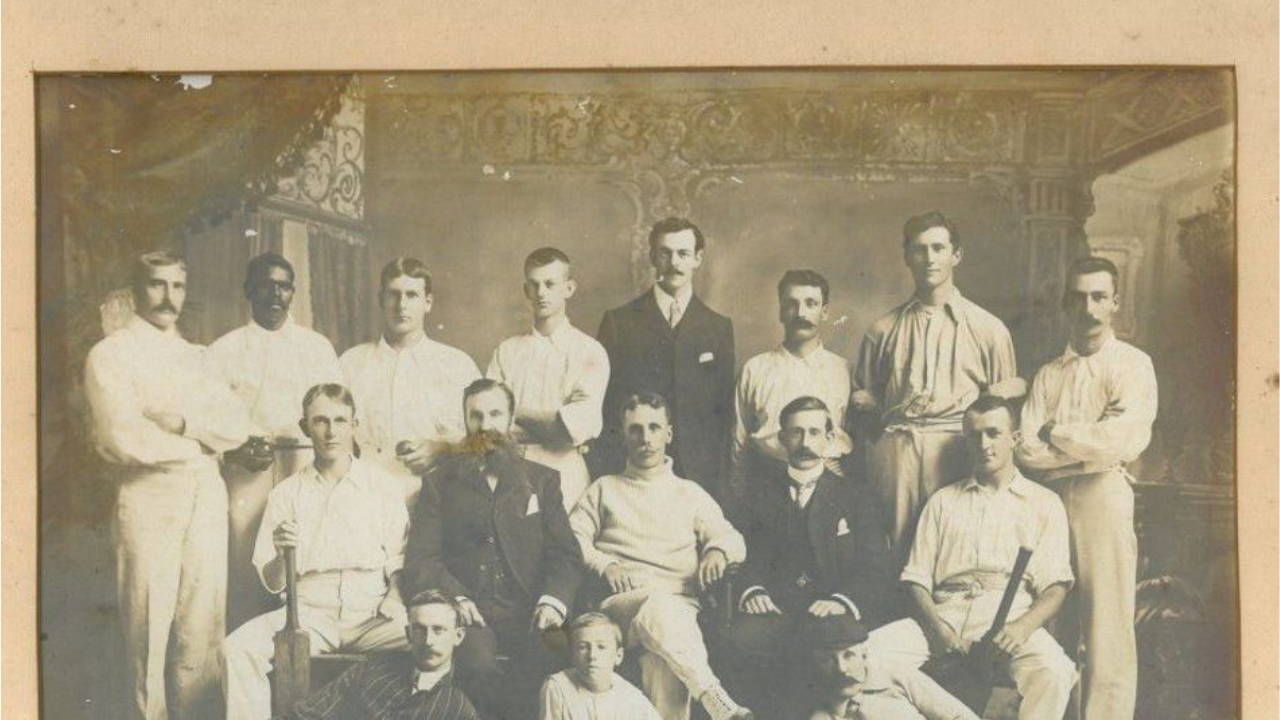
Before Eddie, there was Albert. As National Reconciliation Week 2025 shines a spotlight on trailblazers, Albert ‘Alec’ Henry is being recognised as the first Aboriginal and Torres Strait Islander cricketer to represent Queensland in first-class cricket—predating the legendary Eddie Gilbert by decades.
A historic first-class debut in 1902
Born in Lowood, Queensland in 1880, Henry hailed from the Jagera or Yugambeh people and made his first-class debut for Queensland in the 1901–02 season. A right-arm fast bowler like Gilbert, Henry’s brief but impactful career saw him play seven matches over four seasons, taking 21 wickets at an average of 32.04, with best figures of 5/40.
Queensland’s exclusion from the Sheffield Shield at the time limited Henry’s appearances, which were largely one-off games against other states and touring teams.
Trailblazing rivalry with fellow Indigenous star Jack Marsh
Henry’s debut against New South Wales on 29 March 1902 at the Gabba was notable as the first time two Aboriginal players opposed each other in a first-class match. NSW’s Jack Marsh, also a fast bowler, was his counterpart. The game attracted significant media attention, with both players taking three wickets and dismissing each other for identical scores of nine in their respective first innings—a poetic symmetry for cricket historians.
A powerful athlete and community figure
Standing tall and athletic, Henry was a standout rugby union player and professional sprinter. He played club cricket for Bundamba and South Brisbane Electorate Club and earlier for the Deebing Creek Aboriginal team, which had its own rich legacy in Queensland cricket.
However, Henry’s career was frequently overshadowed by controversy over his bowling action. He was no-balled for throwing in a 1904 Brisbane First Grade match and received a one-month suspension following a confrontation with an umpire.
Final matches and a premature end
Despite a strong return in April 1905, Henry was left out of the 1906 season as Queensland began to refresh its playing group. Eventually, conflicts with authorities at the Deebing Creek reserve led to his relocation—first to Barambah (Cherbourg) and then to Yarrabah in Far North Queensland.
Henry tragically passed away from tuberculosis in 1909 at the age of 29. He was buried at the old mission cemetery at Ambrym Point on Gunggandji country.
Legacy during National Reconciliation Week
This National Reconciliation Week (May 27 – June 3), Cricket Queensland and the broader Australian cricket community reflect on Henry’s legacy—not just as a player, but as a pioneer for Indigenous representation in the sport. While Eddie Gilbert’s name is more widely known, Albert Henry’s achievements laid the early foundation for Indigenous participation in Australian cricket.
🖤💛❤️🩵 National Reconciliation Week 2025 is a time to reflect, honour, and grow—bridging now to next. #NRW25