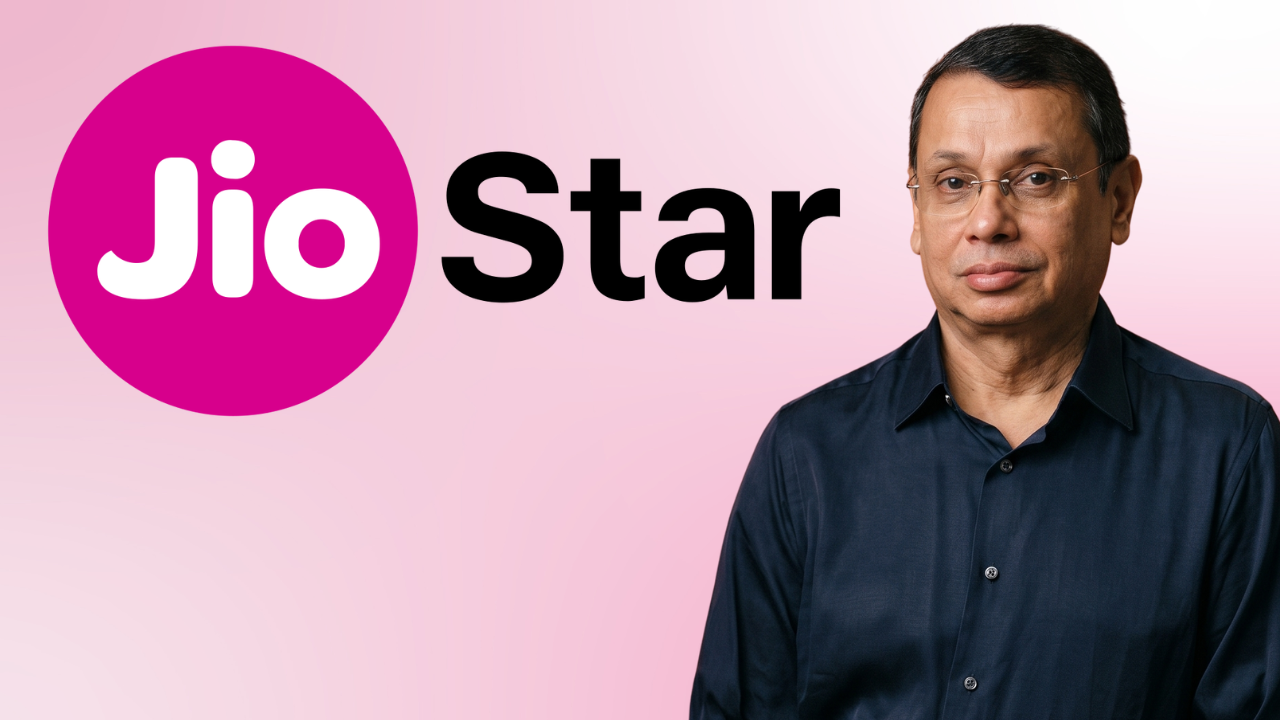
India’s cricket media market is facing growing pressure from rising rights valuations and an expanding international schedule that broadcasters may no longer be willing to fund at previous levels, according to JioStar Vice-Chair Uday Shankar. Speaking to Variety in an exclusive interview, Shankar warned that global cricket administrators risk weakening the financial ecosystem supporting the sport if rights expectations continue increasing without reflecting actual commercial demand. “Cricket is at a crossroads,” he said.
The warning comes as cricket approaches another major rights cycle following the record-breaking IPL auction in 2022, where television and digital rights reached US$6.2 billion. That deal transformed the economics of cricket broadcasting, pushing IPL match values among the highest in world sport, but the competitive environment that drove those numbers has since changed substantially after the consolidation of Viacom18 and Disney’s Indian media operations into JioStar.
Broadcasters reassessing cricket’s commercial value
A major issue highlighted by Shankar is the widening gap between the commercial value of premium fixtures and lower-demand bilateral series. Broadcasters are increasingly evaluating matches individually rather than treating all international cricket properties as equally valuable.
“Why should you really expect JioStar to pay the same value for a match between India and Afghanistan, India and Bangladesh, or India and Sri Lanka that I pay for a match between India and England or India and Australia?” he said.
The debate is becoming more important as international schedules continue expanding across bilateral cricket and franchise leagues simultaneously. According to projections from Media Partners Asia cited by Variety, the IPL’s next rights cycle is expected to remain around US$5.4 billion in overall value while declining on a per-match basis because of tournament expansion.
That shift reflects broader concerns inside the industry about content oversupply and whether future growth can continue matching the pace seen during the previous decade of cricket-rights inflation.
India’s broadcasters becoming central to cricket’s future
Shankar also stressed that global cricket’s commercial structure has become increasingly dependent on the Indian market and a limited number of major broadcasters operating within it.
“JioStar is the goose that lays golden eggs,” he said. “Now they have to decide whether they want to kill the goose or keep [it] laying eggs.”
The concentration of revenue around India has accelerated significantly across media rights, sponsorship and franchise investment over recent years, placing additional importance on the sustainability of the country’s broadcasting market.
While acknowledging that experienced administrators remain involved across the sport, Shankar argued that cricket’s leadership must become more aligned commercially as market conditions evolve. “There are sensible people in cricket administration,” he said. “But the entire group of administrators globally needs to come together, because India – and within India, one or two media companies – are so fundamental to the future of cricket.”
Shankar’s comments come at a time when cricket boards, broadcasters and streaming platforms are increasingly confronting questions around how much future growth remains possible in the sport’s media-rights economy as competition for audience attention intensifies globally.