
Karnataka greenlights mega sports infrastructure project
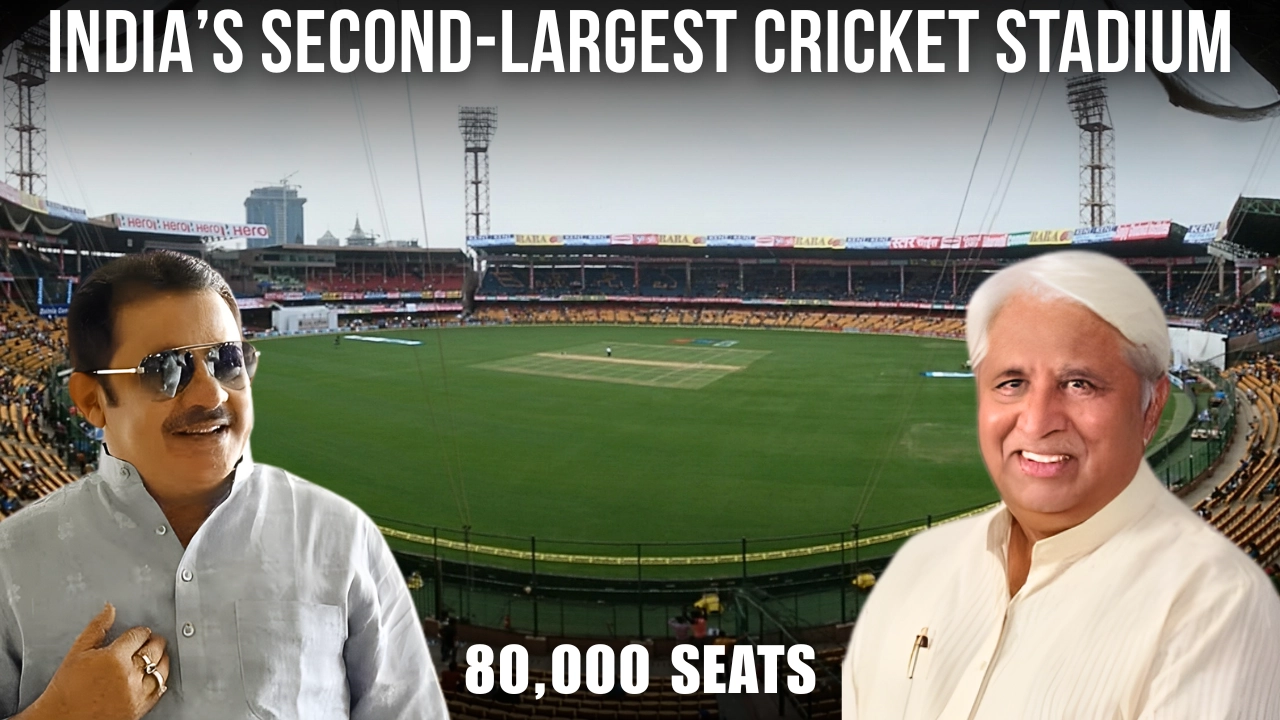
Bengaluru is poised to enter a new era in global sports infrastructure as the Karnataka cabinet has approved an ambitious ₹2,350 crore (approx. US$ 267.1m) project to construct a state-of-the-art international cricket stadium and multi-sport complex in the Anekal taluk of Bengaluru Urban district. Spread over 75 acres of Karnataka Housing Board land at the Suryanagar Fourth Stage Extension in Indlavadi village, the stadium is designed to accommodate 80,000 spectators, making it the second-largest cricket stadium in India once completed.
This landmark development represents a strategic move to elevate Karnataka’s sporting profile while also advancing regional infrastructure, economic development, and tourism.
Official approval sets vision in motion
According to a report by Deccan Herald, the cabinet granted its in-principle approval for the proposal during a meeting on Thursday.
Speaking at a press conference, Law and Parliamentary Affairs Minister H.K. Patil confirmed the cabinet’s decision to proceed with the proposal.
“The Cabinet has approved a proposal by the Housing Department to build the stadium and sports complex on 75 acres at Suryanagar Fourth Stage Extension, Indlavadi village. We have directed the department to prepare a Detailed Project Report and viability study,” he said.
The Detailed Project Report (DPR) will evaluate budget requirements, construction timelines, safety protocols, environmental factors, and long-term revenue streams. The government’s emphasis on oversight, feasibility, and quality aims to ensure that the complex meets international standards while delivering tangible benefits to the public and economy.
Designed for international scale and multi-sport excellence
The new stadium is expected to transform Karnataka into a major destination for global cricket events, Indian Premier League (IPL) matches, and high-capacity tournaments. It will more than double the current seating capacity of the M. Chinnaswamy Stadium, which holds around 38,000 spectators.
The project also includes 24 facilities for both indoor and outdoor sports, a 3,000-seat auditorium, athlete hostels, fitness centres, and green public zones. This expansive design highlights the government’s long-term vision for a multi-sport ecosystem that promotes both elite competition and community participation.
“With these world-class facilities, it will become one of the largest sports complexes in the country,” said Housing Minister B.Z. Zameer Ahmed Khan, at a press conference.
Infrastructure, tourism and economic ripple effects
The project is expected to drive large-scale urban development in Anekal and surrounding regions. Upgrades in road connectivity, public transportation, water, power supply, and safety services will support the stadium’s operations and benefit local residents. Hospitality, real estate, and retail sectors are also expected to see increased investment as the area becomes a hub for national and international events.
Tourism is set to receive a significant boost, with the stadium envisioned as a key attraction for both sports fans and cultural visitors. Coordinated branding and marketing efforts are likely to position the venue as a major draw within Bengaluru’s growing entertainment and events landscape.
Empowering sports and community engagement
In addition to hosting global events, the stadium will play a critical role in grassroots sports development across Karnataka. It will provide world-class training facilities, youth engagement programs, and opportunities for schools, colleges, and state-level tournaments. The infrastructure is designed not just for cricket but to serve as a launchpad for emerging athletes across multiple disciplines.
The venue’s flexible, modular infrastructure also allows it to serve as a year-round destination for concerts, exhibitions, conferences, and cultural gatherings — ensuring sustained usage and economic impact.
A new sporting landmark for South India
Once operational, the Anekal stadium will join Mysuru and Tumakuru as Karnataka’s third international cricket venue. It marks a significant step in decentralizing sports infrastructure across the state, reducing the pressure on Bengaluru’s existing venues while expanding access to world-class facilities in newer regions.
With construction to follow the completion of the DPR, the project promises to reshape Karnataka’s position on the global sports map, adding a high-capacity, multi-purpose venue that blends elite sport, community engagement, and economic opportunity.
By investing in this landmark initiative, Karnataka signals its intent to become not only a leader in IT and innovation but also a powerhouse in international sport and urban development.


