Scotland’s T20 World Cup 2026 campaign may have ended at the group stage, but the bigger conversation for Associate cricket is only intensifying.
After finishing third in Group C, Cricket Scotland are shifting focus from results to structure — specifically, the lack of consistent international fixtures for Associate nations within an increasingly congested global calendar.
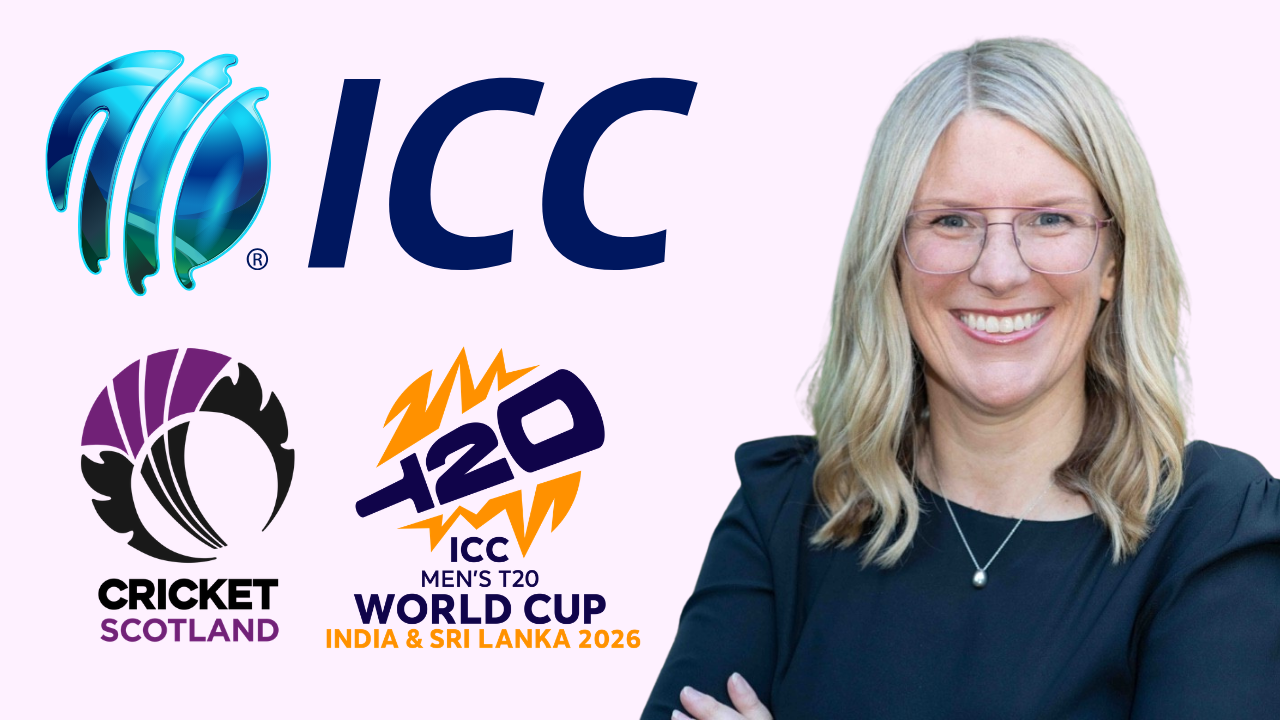
At the centre of that message is CEO Trudy Lindblade, who believes tournament exposure alone is not enough to close the competitive gap with Full Members.
“More cricket on a more regular basis”
Rather than framing Scotland’s exit as a standalone disappointment, Lindblade broadened the lens to the systemic challenge facing Associates.
“We’ve all been consistent in terms of what we want — more cricket on a more regular basis, playing against the top teams. You don’t always have to play the Englands and Australias of the world. We want to play a mix of teams because that will help improve our cricket,” she said, speaking to reporters after Scotland’s loss to Nepal on Tuesday.
A crowded calendar and a fragmented Associate voice
The underlying issue, Lindblade suggested, is the structural squeeze created by an already packed international programme dominated by Full Members under the International Cricket Council (ICC) framework.
“It is really tough because that crowded schedule is making it tougher for those of us to get more content,” Lindblade added.
“We need to work collectively. We have all the Associate members that are playing here in this tournament. We talk regularly, we meet, and one of the things that we used to have was someone within the ICC that could help bring us together.
“We all have our own individual targets and metrics of what we want to play, but other ways that we can also do it is together… a consolidated front, a united front,” she stressed.
Europe’s growth strategy: franchise leverage
Alongside lobbying for structural reform, Scotland are pursuing independent growth levers — most notably as founding members of the European T20 Premier League alongside Ireland and the Netherlands.
“We’ve got a new franchise league coming into Europe with the European T20 Premier League later this year and that is so exciting for us, because we are part of the founding countries in that,” Lindblade said.
The league is positioned as both a development accelerator and a commercial platform for European cricket.
“You’ve seen how Italy and the Netherlands have performed at this World Cup. There is a real opportunity in Europe, going back to global growth. We want to be part of that. We want to be part of that showcase that this game is a really beautiful game,” she said.
With Italy and the Netherlands showing competitive progress on the world stage, Europe is increasingly being framed as an emerging growth corridor within the ICC’s expansion narrative.
The bigger ICC question
Scotland’s exit from T20 World Cup 2026 may close their on-field campaign, but it intensifies a broader governance debate: how can Associates meaningfully improve without guaranteed, regular competition?
Lindblade’s message is strategic rather than emotional — global growth requires structural alignment. Tournament slots generate visibility, but sustained cricket generates development.
For the ICC, the question now is whether the calendar can evolve to accommodate both.