Political tensions cast shadow over cricket’s biggest rivalry
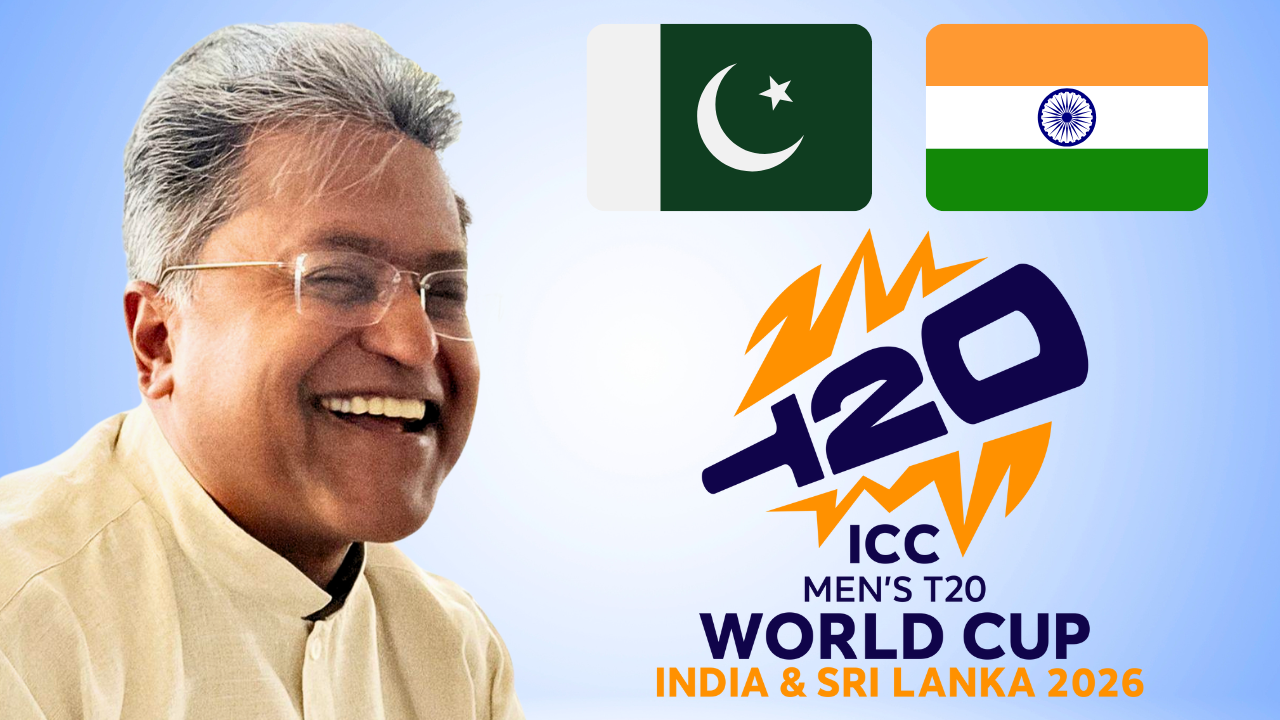
The upcoming T20 World Cup 2026 has been overshadowed by controversy long before the first ball is bowled. Pakistan’s decision to skip the high-voltage group-stage clash against India on February 15 has triggered outrage, debate, and fears of long-term damage to the sport’s global fabric.
Among the most prominent voices to speak out is former Indian Premier League chairman Lalit Modi, who slammed the politicization of cricket and warned of the financial and reputational costs such moves could incur. While speaking to IANS, Modi said, “Cricket was created to be decided on the field, not in boardrooms or through boycotts. When politics enters sport, the game loses — but fans always remember who stood for competition.”
Modi sees broader commercial risks beyond a single fixture
Although Pakistan remains part of the tournament, its selective boycott of the India fixture in Colombo—reportedly under direction from its government—has raised alarm over the precedent it sets.
Modi warned that the consequences of such selective withdrawals go well beyond points and fixtures. “Broadcast rights of bilateral matches and the future of ICC revenues will further come under the lens as broadcasters will be cautious bidding high amounts, as this could snowball into future participation of teams. Only the gainer in this scenario will be IPL,” he said in the same interview.
With tournament regulations allowing forfeiture-based point transfers, India stands to benefit on the field, but the off-field losses could be felt across stakeholders — from broadcasters to sponsors and member boards whose revenue streams are tied to marquee fixtures like India vs Pakistan.
IPL poised to benefit as global cricket faces instability
Modi pointed to the rise of franchise leagues, particularly the IPL, as the new commercial backbone of global cricket — one that is insulated from political disruption. “IPL has now become the marquee cricket tournament of the year, which delights players and fans alike globally and is the perfect broadcasting opportunity for one and all,” he added.
The implication is clear: as international cricket becomes more vulnerable to political interference, leagues like the IPL will increasingly dominate the calendar and the market — offering consistency, star power, and guaranteed returns for commercial partners.
ICC faces pressure to act as sporting integrity questioned
The International Cricket Council is reportedly engaging with stakeholders to assess the fallout and ensure tournament integrity. A forfeiture in such a high-profile game risks not just altering group standings but also damaging the credibility of ICC events.
As the countdown to the World Cup continues, the pressure is now on both the PCB and the ICC to find a resolution — one that prioritizes competition over politics and restores confidence in the sport’s most iconic rivalry.
For Lalit Modi, the message is simple: cricket must stay on the field. And if it doesn’t, the IPL may soon be the only place where the world’s best players compete without disruption.